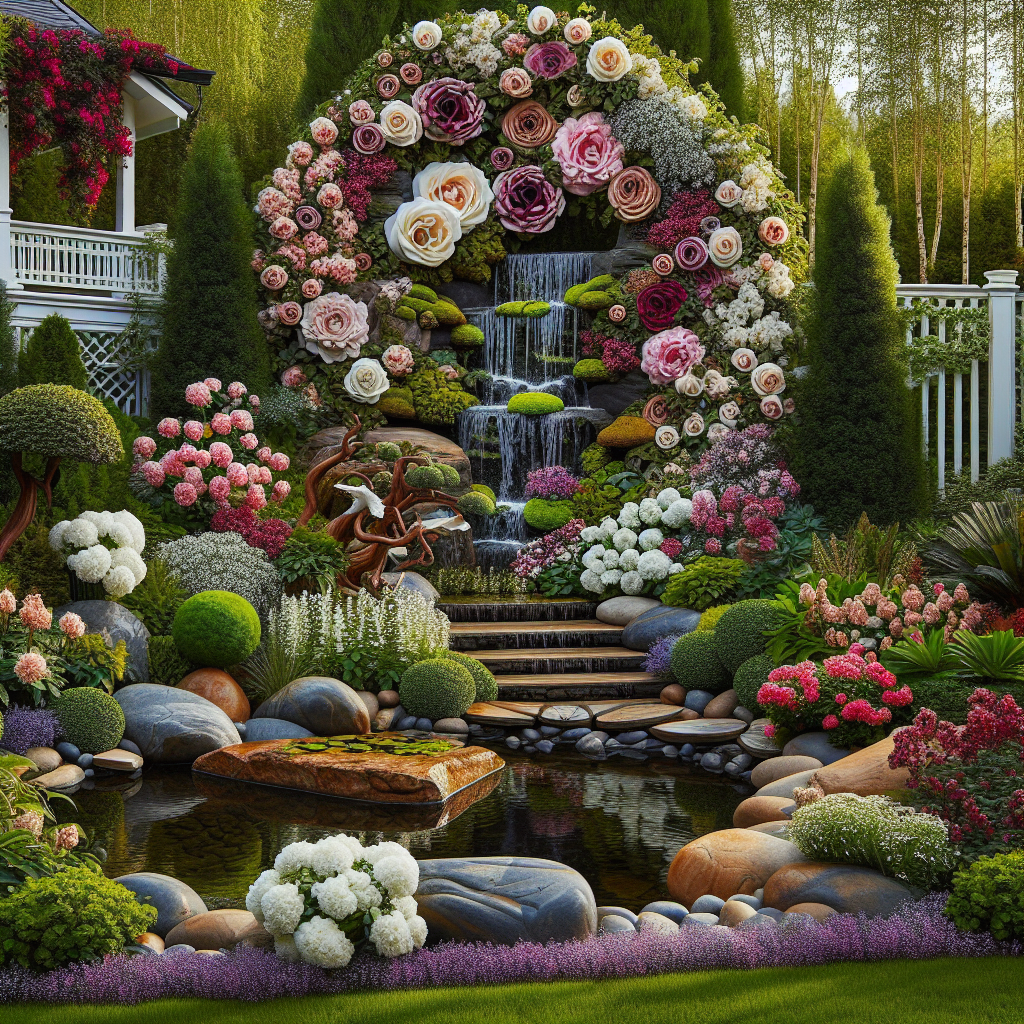
Immerse yourself in the world of landscape gardening with The Write Gardener. We are a comprehensive news and information website dedicated to providing valuable resources and articles for both amateur and professional gardeners. Our team of experienced horticulturists and gardening enthusiasts have curated a diverse range of content, covering everything from inspiring garden designs to essential techniques for proper landscaping. Whether you are just beginning your gardening journey or looking to enhance your existing skills, our website is here to assist you. We believe in the importance of sustainable landscaping practices and strive to promote environmentally friendly approaches. Join our community today and embark on a journey to unleash your creativity and nurture your own piece of natural beauty.
1. Creating a Tranquil Oasis
1.1 Choosing the Right Plants
When it comes to creating a tranquil oasis in your garden, choosing the right plants is crucial. Opt for plants that provide a sense of serenity and relaxation. Consider using varieties with soft, delicate flowers or soothing shades of green foliage. Plants like lavender, chamomile, and jasmine are known for their calming properties and can create a peaceful atmosphere in your garden. Additionally, incorporate plants that release pleasant scents, such as roses or gardenias, to further enhance the tranquil ambiance.
1.2 Incorporating Water Features
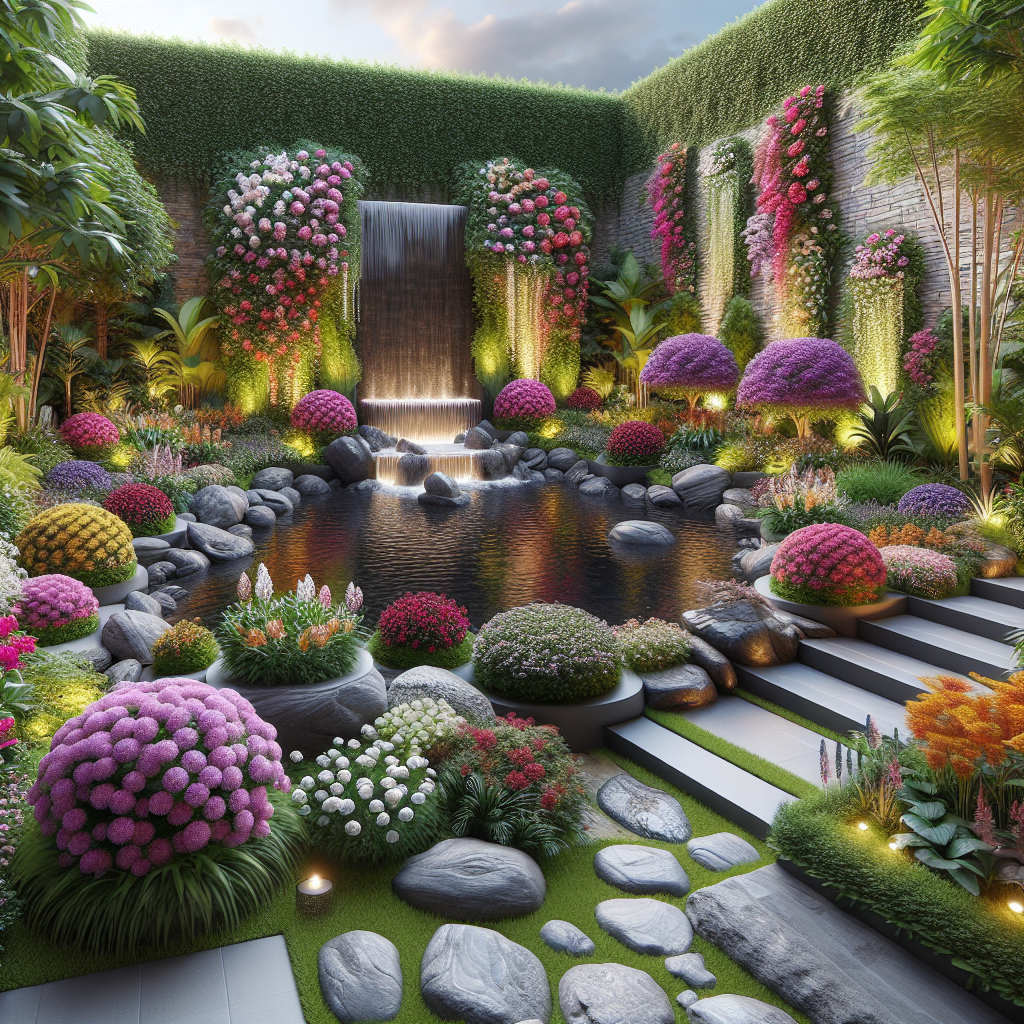
Nothing says tranquility quite like the sound of flowing water. Incorporating water features in your garden is a fantastic way to create a peaceful oasis. Consider installing a small pond, a cascading waterfall, or even a tranquil fountain. The sound of running water will not only provide a soothing backdrop, but it can also help drown out any unwanted noise from surrounding areas, providing a sense of serenity and privacy.
1.3 Adding Relaxing Seating Areas
To fully enjoy your tranquil oasis, it’s essential to create comfortable seating areas where you can unwind and relax. Choose durable outdoor furniture that suits your personal style, such as lounge chairs, hammocks, or a cozy outdoor sofa. Don’t forget to incorporate plenty of cushions and throws for added comfort. Consider placing your seating areas in quiet corners of your garden, surrounded by beautiful plants and near your water feature for the ultimate relaxation experience.
2. Maximizing Small Spaces
2.1 Vertical Gardening
If you have limited space in your garden, vertical gardening is the perfect solution. Utilize walls, fences, or trellises to create vertical gardens, allowing you to grow a variety of plants without taking up valuable ground space. Consider using climbing plants such as ivy, jasmine, or wisteria to add a touch of natural beauty to your vertical garden. Additionally, you can hang baskets or install shelves to display potted plants, herbs, or even small vegetables.
2.2 Creative Use of Containers
Another effective way to maximize small spaces is through the creative use of containers. Use pots, planters, or even repurposed items like old buckets or crates to create a container garden. This allows you to easily move and arrange your plants according to your space and design preferences. Experiment with different sizes, shapes, and materials to add visual interest to your garden. You can even create a vertical container garden by stacking containers on top of each other or hanging them from a wall or railing.
2.3 Creating Illusions of Space
Even in small spaces, you can create the illusion of a larger garden. Strategic placement of mirrors can create the illusion of depth and make your garden appear larger. Additionally, creating pathways or stepping stones through your garden can lead the eye and create a sense of exploration. Planting taller plants at the back and gradually transitioning to shorter plants towards the front can also give the perception of depth and make your garden seem more spacious.

3. Incorporating Native Plants
3.1 Benefits of Native Plants
When creating a garden, incorporating native plants has numerous benefits. Native plants are adapted to the local climate, making them more resilient and requiring less maintenance. They also provide food and shelter for native wildlife, contributing to a balanced and thriving ecosystem. Additionally, using native plants can help preserve biodiversity and conserve water resources, as they are naturally adapted to local rainfall patterns and soil conditions.
3.2 Designing a Native Plant Garden
Designing a native plant garden involves selecting plants that are indigenous to your region. Research local native plant species and choose varieties that thrive in your specific climate and soil conditions. Consider the color, height, and texture of the plants to create a visually appealing arrangement. Arrange the plants in a way that mimics their natural growth patterns, creating a garden that seamlessly blends with the surrounding environment.
3.3 Attracting Wildlife with Native Plants
Native plants are not only beneficial for their low-maintenance qualities but also for their ability to attract wildlife. Incorporating native plants that provide food, shelter, and nesting opportunities can attract a wide range of wildlife, including birds, butterflies, and beneficial insects. Choose plants that produce nectar-rich flowers, berries, or seeds to attract different species. Provide water sources such as birdbaths or small ponds to encourage wildlife to visit and inhabit your garden.
4. Creating Outdoor Entertaining Areas
4.1 Designing a Functional Layout
When designing an outdoor entertaining area, it’s essential to create a functional layout that accommodates your needs. Consider the flow of traffic and arrange seating areas in a way that encourages social interaction. Ensure there is ample space for people to move around comfortably and provide designated areas for activities such as dining, lounging, or gathering around a fire pit. Incorporate pathways or stepping stones to connect different areas of your outdoor space seamlessly.
4.2 Outdoor Kitchen and Dining Spaces
To enhance your outdoor entertaining experience, consider incorporating an outdoor kitchen and dining area. Install a grill, sink, refrigerator, and countertops to create a fully functional outdoor kitchen. Designate a space for dining with a sturdy table and chairs or a comfortable outdoor dining set. Don’t forget to provide shade options such as umbrellas or a pergola to protect against the sun’s rays and ensure your guests’ comfort.
4.3 Enhancing Ambiance with Lighting
To create a perfect atmosphere for outdoor entertaining, don’t underestimate the power of lighting. Incorporate various types of lighting, such as string lights, lanterns, or spotlights, to add warmth and ambiance to your outdoor space. Consider using LED lights for energy efficiency and install them strategically to highlight focal points, pathways, and seating areas. Dimmable lighting options can also help create different moods, allowing you to adjust the ambiance based on the occasion.

5. Integrating Edible Gardens
5.1 Designing a Productive Edible Garden
Integrating edible gardens into your landscape not only provides fresh and nutritious produce but also adds visual interest. When designing a productive edible garden, consider the layout and spacing of your plants. Group plants with similar water and sunlight needs together to ensure efficient watering and care. Incorporate raised beds or containers for easy access and better soil quality. Utilize companion planting techniques, where compatible plants are grown together, to deter pests and enhance growth.
5.2 Growing Herbs and Vegetables
Growing herbs and vegetables in your garden allows you to enjoy the taste of homegrown produce while adding beauty to your outdoor space. Choose a variety of herbs and vegetables that are suited to your climate and have different harvesting seasons to ensure a continuous supply. Incorporate colorful and fragrant herbs such as basil, rosemary, and thyme to add visual and sensory appeal to your garden. Consider vertical gardening techniques or trellises to maximize space.
5.3 Incorporating Fruit Trees
To further enhance your edible garden, consider incorporating fruit trees. Fruit trees not only provide fresh fruit but also add height and structure to your landscape. Choose fruit trees that are suitable for your climate and ensure proper spacing to allow for adequate growth. Consider incorporating a variety of fruit trees with different harvest times to enjoy fresh fruit throughout the year. Prune and care for your fruit trees regularly to ensure healthy growth and maximize productivity.
6. Embracing Minimalist Design
6.1 Simplifying Plant Selection
When embracing a minimalist design in your garden, simplicity is key. Opt for a limited selection of plants and focus on their individual characteristics. Choose plants with clean lines, minimal foliage, and neutral colors to create a sleek and simple look. Consider ornamental grasses, succulents, or evergreen shrubs for their minimalist appeal. Avoid cluttering your garden with excessive plantings or complicated arrangements, and instead strive for a clean and uncluttered aesthetic.
6.2 Creating Clean and Sleek Lines
Creating clean and sleek lines in your garden is essential to achieve a minimalist design. Use straight-edged garden borders or low hedges to define pathways and separate different areas. Incorporate geometric shapes, such as rectangular raised beds or square seating areas, to create a unified and organized look. Avoid excessive curves or intricate patterns, as they can detract from the simplicity and harmony of a minimalist garden.
6.3 Using Minimalist Garden Furniture
To complement your minimalist garden design, choose furniture that aligns with the style. Opt for clean-lined furniture with simple shapes and neutral colors. Consider materials such as metal, wood, or concrete, which add a modern and minimalist touch. Keep the number of furniture pieces to a minimum and ensure they are scaled appropriately to the size of your garden. Incorporate functional elements such as built-in benches or a sleek dining table to maximize space and maintain a minimalist aesthetic.

7. Adding Structure with Hardscaping
7.1 Incorporating Pergolas and Arbors
Adding pergolas and arbors to your garden can provide structure and visual interest. Incorporate pergolas over seating areas or walkways to create a shaded retreat. Choose materials such as wood, metal, or vinyl that align with your garden’s style and theme. Train climbing plants such as vines or roses to grow over the pergola or arbor for added beauty and shade. Ensure the size and placement of the structure are proportionate to the surrounding landscape.
7.2 Designing Walkways and Paths
Designing well-defined walkways and paths in your garden enhances both the functionality and aesthetics of the space. Use materials such as gravel, stone, or brick to create paths that are durable and complement the overall design. Consider different styles such as straight, curved, or meandering paths based on the desired atmosphere. To create a cohesive look, ensure the width and height of the path are appropriate for the scale of your garden, and integrate seamless transitions between different areas.
7.3 Creating Focal Points with Statues or Sculptures
Incorporating statues or sculptures as focal points in your garden adds interest and captures attention. Choose pieces that align with your personal style and the overall design of your garden. Consider the placement of the statues or sculptures to create an element of surprise or draw the eye to specific areas. Use sculptures to complement the surrounding plantings and highlight key features of your garden. Avoid cluttering your garden with too many focal points, and instead focus on quality over quantity.
8. Incorporating Water-wise Gardening
8.1 Choosing Drought-Tolerant Plants
Incorporating water-wise gardening techniques in your garden is not only environmentally friendly but also cost-effective. Choose drought-tolerant plants that are well-suited to your climate and soil conditions. Opt for succulents, ornamental grasses, or Mediterranean plants that have adapted to thrive with minimal watering. Mulch around plants to retain moisture and reduce evaporation. Consider incorporating a rainwater collection system to utilize natural water sources for irrigation.
8.2 Implementing Efficient Irrigation Systems
To conserve water in your garden, implement efficient irrigation systems that ensure proper and targeted watering. Install drip irrigation or soaker hoses to deliver water directly to the roots of the plants, minimizing evaporation and water waste. Utilize smart irrigation controllers or rain sensors to adjust watering schedules based on weather conditions. Regularly inspect your irrigation system for leaks or inefficiencies to maximize water conservation.
8.3 Mulching and Soil Amendments
Mulching and soil amendments are essential components of water-wise gardening. Apply a layer of organic mulch, such as wood chips or compost, around plants to retain moisture, suppress weeds, and improve soil health. Mulch also helps regulate soil temperature and reduces water evaporation. Additionally, amend your soil with organic matter to improve its water-holding capacity and nutrient availability. Compost or well-decomposed manure can be incorporated into the soil to enhance moisture retention and promote healthy plant growth.
9. Creating a Kids-Friendly Garden
9.1 Designing a Safe Play Area
When creating a kids-friendly garden, safety is of utmost importance. Designate a specific area within your garden as a safe play area and ensure it is securely enclosed. Use child-friendly materials such as rubber mulch or artificial turf to cushion falls. Avoid plants with thorns, poisonous berries, or spiky leaves that may pose a hazard to children. Consider incorporating play equipment such as swings, slides, or climbing structures, ensuring they are age-appropriate and well-maintained.
9.2 Planting Colorful and Fragrant Flowers
Incorporate colorful and fragrant flowers in your kids-friendly garden to stimulate their senses and add visual interest. Choose vibrant, non-toxic flowers such as sunflowers, marigolds, or pansies that are safe for children. Include flowers with different textures and sizes to encourage exploration and touch. Additionally, select flowers that attract butterflies or hummingbirds to create a magical and educational experience for children.
9.3 Including Educational Elements
A kids-friendly garden is not only a place for play but also an opportunity for learning. Include educational elements such as a vegetable or herb garden where children can learn about plants and how they grow. Incorporate signage or labels to identify different plant species and provide interesting facts. Consider adding a small pond or a bug hotel to encourage children to observe and learn about local wildlife. Turning the garden into an educational space can foster a love for nature and the environment.
10. Enhancing Wildlife Habitat
10.1 Providing Food and Water Sources
To enhance wildlife habitat in your garden, provide food and water sources that attract a diverse range of species. Include plants that produce nectar-rich flowers or berries to attract birds, butterflies, and bees. Install bird feeders or birdhouses to provide a consistent food source for birds. Create water features such as birdbaths, small ponds, or shallow dishes to provide drinking and bathing opportunities for wildlife. Additionally, consider planting native grasses or wildflowers that provide seeds or nesting materials for birds and small mammals.
10.2 Creating Shelter and Nesting Opportunities
Creating shelter and nesting opportunities is essential for attracting wildlife to your garden. Incorporate evergreen shrubs, dense hedges, or trees with cavities to provide shelter and nesting sites for birds and small mammals. Consider leaving a brush pile or fallen logs in a designated area to create habitats for insects, reptiles, and amphibians. Avoid excessive pruning or removing dead wood, as it serves as a valuable habitat for many species. By providing diverse shelter options, you can encourage a variety of wildlife to make your garden their home.
10.3 Choosing Wildlife-Friendly Plants
Choosing plants that are wildlife-friendly is crucial for creating a habitat that supports a healthy ecosystem. Select native plants that provide food and shelter for local wildlife. For example, choose plants that produce berries or seeds for birds or caterpillars for butterflies. Avoid using pesticides or herbicides, as they can harm beneficial insects and disrupt the natural balance in your garden. By consciously selecting wildlife-friendly plants, you can create a thriving and biodiverse habitat that attracts a wide range of fascinating creatures.
With these landscape gardening ideas, you can transform your outdoor space into a tranquil oasis, maximize small spaces, incorporate native plants, create outdoor entertaining areas, integrate edible gardens, embrace minimalist design, add structure with hardscaping, incorporate water-wise gardening, create a kids-friendly garden, and enhance wildlife habitat. Whether you are a beginner or an experienced gardener, these ideas offer inspiration and practical tips for creating a beautiful and harmonious landscape that reflects your style and brings you closer to nature. So, grab your gardening tools and get ready to embark on a journey of creating your own piece of green beauty. Happy gardening!