

So, you’ve been dreaming about creating your own picturesque oasis in the heart of the countryside? Look no further, because we’ve got you covered with these 10 stunning country garden landscape ideas. From charming flower-filled pathways to quaint seating areas under blooming arbours, this article is packed with inspiration to turn your outdoor space into a tranquil retreat. Whether you’re a seasoned gardener or just starting out, these ideas will help you design a captivating and enchanting country garden that will leave everyone in awe. Let’s get started!
Colorful Flower Beds
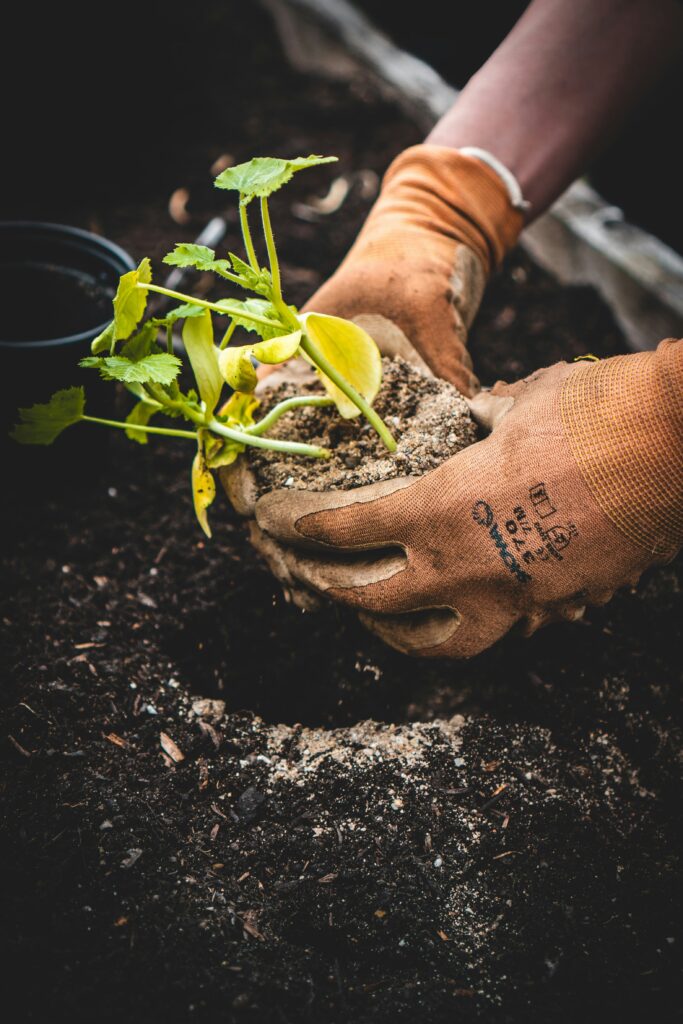
When it comes to creating a vibrant and eye-catching garden, mixing different types of flowers is a surefire way to achieve that desired effect. By incorporating a variety of flower species, you can create an explosion of colors that will make your garden truly stand out. Consider planting flowers with different bloom times, such as early spring bulbs, summer annuals, and fall perennials, to ensure a continuous display throughout the seasons. With careful planning and attention to color combinations, you can create stunning flower beds that are a feast for the eyes.
To further enhance the visual appeal of your flower beds, it’s important to select flowers in a variety of colors. Opt for a mix of warm and cool hues to add depth and contrast to your garden. For example, pairing bright yellow marigolds with purple petunias, or fiery red roses with cool blue delphiniums, can create a striking visual impact. Don’t be afraid to experiment with different color combinations to find the perfect balance that suits your style and preferences.
Another key element in creating visually interesting flower beds is varying the heights of the plants you choose. By incorporating flowers of different heights, you can add texture and dimension to your garden. Tall flowers like sunflowers or hollyhocks can act as backdrops, while medium-height plants like zinnias or salvias can fill the middle ground, and low-growing flowers like alyssum or pansies can provide a carpet of color at the front. This layering effect will not only make your flower beds more visually appealing but also create a sense of depth and fullness.
Perennial Garden
For those looking for a low-maintenance option, a perennial garden is a perfect choice. Perennial plants are known for their longevity, as they come back year after year without needing to be replanted. By selecting low-maintenance perennial varieties, you can enjoy a garden that requires minimal effort to keep looking its best.
When designing a perennial garden, it’s important to choose plants that will provide a long-lasting bloom. Look for varieties that have a long flowering period or those that bloom in different seasons to ensure your garden remains vibrant throughout the year. By carefully selecting a combination of early, mid, and late-season bloomers, you can create a beautiful succession of colors that will keep your garden looking fresh and vibrant all year long.
To add interest and dimension to your perennial garden, consider incorporating plants with different foliage textures and colors. Variegated leaves, such as those found on hostas or heucheras, can provide a striking contrast to the flowers in your garden. Additionally, plants with interesting foliage, like ornamental grasses or ferns, can add a touch of elegance and sophistication to your perennial beds, even when they’re not in bloom. Remember, creating a garden with year-round interest is key to maintaining its beauty throughout the seasons.
Rustic Water Features
To add a touch of tranquility and natural beauty to your garden, consider incorporating rustic water features. From natural stone fountains to serene ponds with water lilies, these features can create a calming oasis in your outdoor space.
Installing a natural stone fountain can instantly elevate the rustic charm of your garden. The gentle sound of trickling water can create a soothing ambiance, while the rustic aesthetic of the stone adds a touch of elegance. Whether you opt for a small tabletop fountain or a larger standalone piece, a natural stone fountain can be a beautiful focal point that ties your garden together.
For a more natural and serene vibe, consider creating a pond with water lilies. These aquatic plants not only add a touch of beauty with their vibrant blooms but also provide shelter and food for local wildlife. Whether you choose hardy water lilies or tropical varieties, a pond with these graceful flowers will bring an element of tranquility to your garden. Additionally, consider introducing goldfish or koi to the pond to add movement and life to the water feature.
To attract even more wildlife to your garden, adding a simple birdbath can make a significant impact. Birds are drawn to water sources, so providing them with a safe and accessible place to drink and bathe will attract a variety of species. Choose a birdbath that complements the rustic theme of your garden, and make sure to keep it filled with fresh water regularly.
Romantic Rose Garden
Creating a romantic and visually stunning rose garden is a dream for many garden enthusiasts. With careful planning and attention to detail, you can transform a space into a fragrant paradise.
When planting a rose garden, it’s important to select a variety of rose varieties to add depth and interest to the space. Choose roses with different colors, sizes, and fragrance profiles to create a captivating display. From classic red roses to delicate pastels, the possibilities are endless when it comes to selecting rose varieties. Consider incorporating climbing roses and training them on trellises or arbors to add height and drama to your garden.
In addition to their beautiful blooms, roses are known for their intoxicating fragrance. To fully immerse yourself in the romantic atmosphere of your rose garden, choose roses with different scents. From sweet and fruity to spicy and musky, each rose variety brings its own unique fragrance to the garden. Planting roses in clusters can enhance their fragrance, creating an even more enchanting experience.
To make your rose garden visually stunning, pay attention to the overall design and aesthetics. Consider using decorative elements such as ornate iron benches or antique garden statues to create focal points and add a touch of elegance. Incorporate winding pathways with pebble or gravel accents to evoke a sense of old-world charm. By carefully curating these elements, you can create a romantic and visually stunning space that will transport you to another era.
Cozy Courtyard
If you have limited space but still want to create a welcoming outdoor area, building a cozy courtyard can be an excellent solution. By utilizing the available space efficiently and incorporating key design elements, you can transform a small area into a comfortable and inviting oasis.
Start by building a small paved area with seating options. Whether you choose a patio, deck, or even a cozy corner with a bench, this paved space will serve as the foundation of your courtyard. Opt for materials that complement the overall aesthetic you want to achieve. From rustic stone pavers to sleek and modern tiles, the choice of materials can greatly impact the atmosphere of your courtyard.
To add a touch of greenery and privacy, surround the space with potted plants. Choose plants that thrive in containers and suit your style, whether it’s lush tropical foliage or delicate flowering plants. Hanging baskets filled with trailing vines can provide a vertical element and soften the walls or fences surrounding your courtyard. By carefully selecting and arranging the potted plants, you can create a cozy and intimate atmosphere.
To enhance the tranquility of your courtyard, consider adding a water feature. It can be as simple as a small tabletop fountain or a wall-mounted spout that trickles water into a basin. The sound of flowing water will create a calming ambiance and drown out any noise from the outside world. A small water feature can also serve as a focal point, drawing the eyes and adding visual interest to your courtyard.
Vegetable and Herb Gardens
For those with a passion for gardening and a love of fresh produce, a vegetable and herb garden is a wonderful addition to any country garden landscape. Not only does it provide a practical and sustainable way to grow your own food, but it can also be a visually appealing and enjoyable space to spend time in.
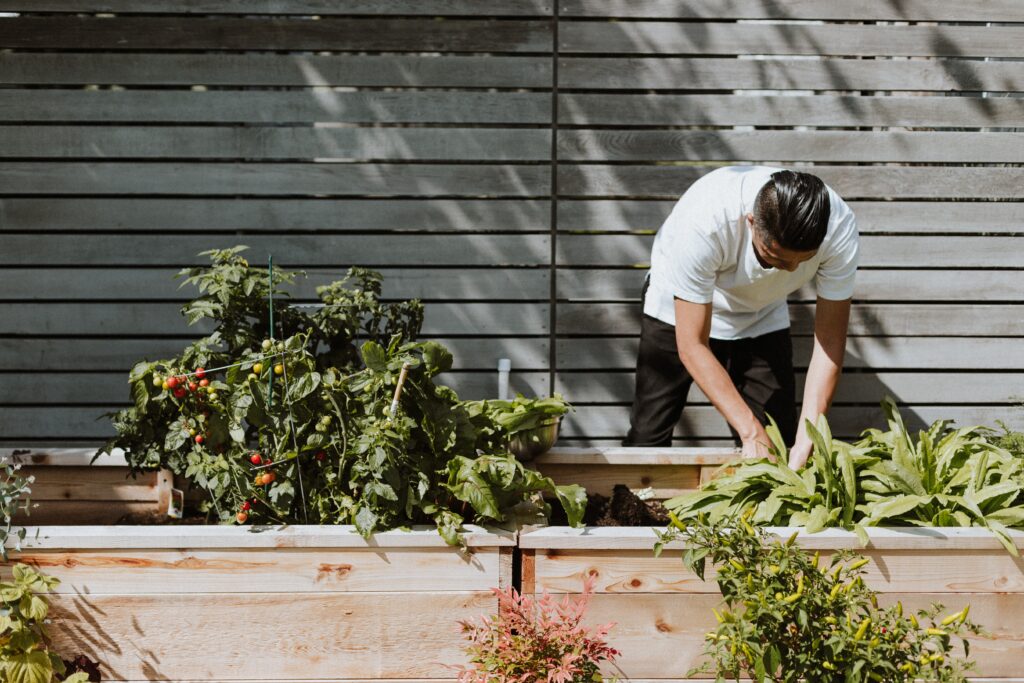
When designing a vegetable and herb garden, consider the concept of raised beds. Raised beds provide several benefits, including improved drainage and easier access for planting, weeding, and harvesting. They also allow for better control over the quality of the soil, ensuring optimal growing conditions for your vegetables and herbs. By designing raised beds of varying heights and shapes, you can create an aesthetically pleasing layout that is both functional and visually interesting.
To maximize the variety and abundance of your harvest, consider growing a wide range of vegetables and herbs. From leafy greens and root vegetables to tomatoes, peppers, and herbs like basil and rosemary, the possibilities are endless. Incorporate companion planting to maximize space and deter pests naturally. For example, planting marigolds alongside your tomatoes can help repel harmful insects. By carefully selecting and arranging your plants, you can create a visually appealing and bountiful vegetable and herb garden.
While the main purpose of a vegetable and herb garden is to provide fresh produce, there’s no reason why it can’t be aesthetically pleasing as well. Consider adding decorative elements such as trellises or arches for climbing plants like beans or cucumbers. Integrate ornamental flowering plants like nasturtiums or marigolds to add pops of color and attract pollinators. By combining functionality with beauty, you can create a vegetable and herb garden that is both productive and visually appealing.
Wildflower Meadow
For those who appreciate a more relaxed and natural garden aesthetic, a wildflower meadow is the perfect choice. By planting native wildflowers, you can create a habitat that attracts pollinators and supports local wildlife while adding charm and beauty to your landscape.
When designing a wildflower meadow, it’s important to choose native wildflowers that are adapted to your specific region’s climate and growing conditions. Native plants are better suited to thrive in the local environment, requiring less water and maintenance compared to non-native species. Additionally, native wildflowers attract native pollinators, such as bees and butterflies, which are essential for a healthy ecosystem.
Creating a natural habitat for local wildlife is a key aspect of a wildflower meadow. Choose wildflowers that provide food and shelter for different species, such as milkweed for monarch butterflies or coneflowers for bees. Incorporating grasses and other native plants can also offer nesting sites and cover for small mammals and birds. By cultivating a diverse mix of plants, you can create a thriving ecosystem that supports a wide range of wildlife.
To achieve a more relaxed and informal design, allow the wildflowers to grow and bloom freely. Avoid excessive pruning or strict planting patterns, as the goal is to mimic the natural beauty of a meadow. Embrace the variety of colors and textures that wildflowers bring, creating a visually captivating space that evolves and changes with the seasons. By letting nature take its course, you can achieve a wildflower meadow that is both beautiful and ecologically beneficial.
Mediterranean-inspired Garden
If you’re drawn to the charm and elegance of Mediterranean landscapes, creating a garden inspired by this style is a wonderful way to bring that ambiance to your own outdoor space. With the right choice of plants and design elements, you can recreate the essence of a Mediterranean garden in a country landscape.
One of the key characteristics of a Mediterranean-inspired garden is the use of drought-tolerant plants. Due to the dry and sunny climate of Mediterranean regions, plants that can withstand periods of limited water availability are essential. Choose plants like lavender, rosemary, agave, or olive trees that are well adapted to these conditions. By incorporating these plants into your garden, you can create a beautiful and sustainable landscape that requires minimal watering.
Gravel pathways and gravel mulch are also common features in Mediterranean gardens. Not only do they add a sense of authenticity, but they also provide excellent drainage and prevent weed growth. Opt for natural gravel or crushed stone in earthy tones to complement the overall color palette of your Mediterranean garden.
To add a touch of color and visual interest, consider incorporating colorful tiles or mosaic accents. From intricate patterns on walls or stair risers to decorative tile inserts on pathways or terraces, these details can add a unique and vibrant element to your garden. Opt for tiles in shades of blue and turquoise to capture the essence of the Mediterranean Sea or choose warm earth tones that reflect the natural surroundings.
To provide shade and create a cozy outdoor space, adding a pergola or arbor is a great idea. These structures not only offer relief from the sun but also add architectural interest and can be adorned with climbing plants like grapevines or bougainvillea. By carefully selecting materials and designs that complement the Mediterranean aesthetic, you can create a garden that transports you to the sun-soaked coastlines of the Mediterranean.
Fruit Orchard
For those looking to enjoy the fruits of their labor, a fruit orchard is a beautiful addition to any country garden landscape. Whether you have a large plot of land or a compact backyard, there are options for creating a well-designed fruit orchard that suits your needs.
When planting a fruit orchard, it’s important to choose a variety of fruit trees to ensure a diverse and abundant harvest. Consider the climate and growing conditions in your region to select fruit tree varieties that are well suited to thrive in your area. From apple and peach trees to cherry and plum trees, there are numerous options to choose from based on your taste preferences and local growing conditions.
To create a well-designed layout for your fruit orchard, consider factors such as spacing and tree arrangement. Fruit trees need adequate room to grow and spread their branches, so ensure proper spacing between each tree. Keep in mind the height and spread of the mature trees when planning their placement to avoid overcrowding. You can create symmetrical rows or incorporate a more organic and natural layout, depending on your design preferences.
To add variety and interest to your fruit orchard, include berry bushes and vines, such as raspberries or grapes. These additions not only provide additional fruits but also add different textures and colors to the landscape. Consider training the berry bushes or vines along trellises or wire supports to optimize space and create an attractive visual display.
Maintaining a healthy and productive fruit orchard requires regular pruning, fertilizing, and pest management. Stay informed about the specific care requirements of each fruit tree variety in your orchard to ensure optimal growth and maximum yield. With proper maintenance and care, your fruit orchard will provide a bountiful harvest for years to come.
Zen Garden
If you seek peace and serenity in your outdoor space, a Zen garden is the perfect choice. Inspired by Japanese aesthetics and philosophy, a Zen garden is designed to create a calm and meditative atmosphere through the use of natural elements and minimalist design.
Incorporating natural materials such as rocks and gravel is essential in creating a Zen garden. Rocks, in particular, symbolize mountains and islands and are a fundamental element in Japanese garden design. Choose rocks of various sizes and shapes to create a sense of balance and harmony. Arrange them in a way that mimics a natural landscape, creating visual interest and depth.
Gravel or sand is another key element in a Zen garden. Raked gravel or sand can represent water or the ripple patterns created by Zen monks as a form of meditation. Consider using fine-grained gravel or sand and carefully rake it in a zigzag or concentric pattern. This process can be done mindfully, providing a meditative experience in itself.
To design a space for meditation and reflection, create a seating area where you can relax and find peace. Opt for minimalist seating options such as rustic wooden benches or stone stools that blend seamlessly into the natural surroundings. Place the seating area strategically to provide a view of the garden and allow for a sense of tranquility and contemplation.
In a Zen garden, less is more. Avoid overcrowding the space with too many plants or decorative elements. Instead, focus on simplicity and balance. Choose a few carefully selected plants that are suited to the Zen aesthetic, such as Japanese maples, bamboo, or moss. These plants can add a touch of greenery and softness to the garden without overwhelming the overall design.
By incorporating natural materials, designing a space for meditation, and keeping the overall design minimalist, you can create a Zen garden that is both visually peaceful and mentally rejuvenating.
In conclusion, country garden landscapes offer a multitude of possibilities for creating beautiful and captivating outdoor spaces. Whether you choose to focus on colorful flower beds, a low-maintenance perennial garden, a rustic water feature, a romantic rose garden, a cozy courtyard, a vegetable and herb garden, a wildflower meadow, a Mediterranean-inspired garden, a fruitful orchard, or a serene Zen garden, each option brings its own unique charm to your landscape. By carefully considering the design elements, plant selection, and overall aesthetic, you can create a country garden landscape that reflects your personal style and provides a tranquil retreat right in your own backyard. So, roll up your sleeves, grab your gardening tools, and let your creativity blossom as you embark on your journey to create the country garden landscape of your dreams.