

Embark on a journey to create your dream garden with “How to Landscape Your Garden: A Comprehensive Guide.” At The Write Gardener, we are dedicated to providing valuable resources and articles on all aspects of landscape gardening. Whether you’re a novice or an expert, our diverse range of content, curated by experienced horticulturists, will inspire you with garden designs, teach you essential techniques, and keep you up-to-date with the latest trends. Join our community of like-minded individuals, and together, let’s create a garden that reflects your style and contributes to the preservation of our planet’s natural beauty. Welcome to your go-to destination for all things landscape gardening.
How to Landscape Your Garden: A Comprehensive Guide
Welcome to The Write Gardener, your comprehensive source for all things landscape gardening. Whether you’re an amateur gardener or a seasoned professional, our platform has valuable resources and articles to help you create a beautiful and tranquil garden. From design and plant selection to maintenance and sustainability tips, we cover every aspect of landscape gardening.

1. Assess Your Garden
1.1 Determine the Size and Shape of Your Garden
Before diving into your landscape design, it’s important to assess the size and shape of your garden. Measure the dimensions of your outdoor space and create a rough sketch. This will help you visualize and plan your landscape more effectively.
1.2 Analyze the Existing Features
Take a closer look at the existing features in your garden, such as trees, shrubs, and pathways. Evaluate their condition and determine if any modifications or removals are necessary for your landscape design.
1.3 Consider the Climate and Sunlight
Understanding the climate and sunlight patterns in your area is crucial for the success of your garden. Determine the average temperatures, rainfall, and the amount of sunlight your garden receives. This information will help you choose the right plants and design elements for your landscape.
1.4 Identify the Soil Type and Drainage
Take the time to evaluate your soil type and drainage. Is your soil sandy, clayey, or loamy? Assess the drainage capabilities of your garden to determine if any improvements are needed to prevent waterlogging or drought conditions.
1.5 Evaluate the Existing Plants and Trees
Assess the health and condition of the existing plants and trees in your garden. Identify any diseased or dying plants that need to be removed. This evaluation will also help you determine which areas of your garden require new plants or additions.
2. Set Your Goals and Design Vision
2.1 Define Your Garden’s Purpose
Consider the purpose of your garden. Are you looking for a space to relax and unwind, entertain guests, or grow your own vegetables? Defining the purpose will help you determine the layout and design elements that align with your goals.
2.2 Establish Your Design Style
Explore different design styles to find one that resonates with you. Whether you prefer a traditional, modern, or eclectic aesthetic, understanding your design style will guide your choices for plants, materials, and overall garden layout.
2.3 Set a Budget
Establishing a budget is essential to ensure that your landscape project stays on track. Consider the cost of plants, materials, labor, and any additional features you plan to incorporate. Setting a budget will help you prioritize your spending and make informed decisions.
2.4 Create a Rough Sketch or Plan
Using the measurements and information gathered during the assessment phase, create a rough sketch or plan for your garden design. This will serve as a visual reference as you move forward with the implementation process.
3. Choose the Right Plants
3.1 Determine the Planting Zones
Identify the planting zones specific to your area. This information will help you select plants that are well-suited to your climate and can thrive in your garden.
3.2 Consider the Growth Requirements
Different plants have varying growth requirements. Consider factors such as sunlight, water, and soil pH when selecting plants for your garden. Choose plants that are compatible with these requirements to ensure their long-term success.
3.3 Select a Variety of Plants
Incorporate a variety of plants in your garden to add visual interest and create a more diverse ecosystem. Choose plants with different heights, textures, and colors to create a vibrant and dynamic landscape.
3.4 Incorporate Native and Drought-Tolerant Species
When possible, select native plants that are well-suited to your region’s climate. Native plants are adapted to the local conditions and require less maintenance. Additionally, consider incorporating drought-tolerant species to conserve water and promote sustainability.
4. Plan for Structural Elements
4.1 Consider Pathways and Walkways
Pathways and walkways provide functionality and structure to your garden. Determine the desired locations and materials for your pathways, keeping in mind factors such as ease of access and aesthetic appeal.
4.2 Integrate Seating Areas
Create inviting seating areas where you can relax and enjoy your garden. Choose comfortable outdoor furniture that complements your design style and provides a comfortable place to unwind.
4.3 Include Water Features
Incorporate water features such as fountains, ponds, or waterfalls to add a soothing element to your garden. Consider the size, style, and maintenance requirements of different water features.
4.4 Incorporate Fences or Walls
Define your garden boundaries and create privacy by incorporating fences or walls. Consider the materials, height, and design of these structures to ensure they blend harmoniously with your overall landscape.
4.5 Design Lighting Options
Enhance the beauty and functionality of your garden by including lighting options. Plan for ambient, accent, and task lighting to create a warm and inviting ambiance during the evening hours.

5. Create a Layout and Placement
5.1 Arrange Plants and Trees
Using your rough sketch as a guide, arrange plants and trees in a way that maximizes their visual impact and functional use. Consider factors such as plant heights, growth habits, and color schemes when determining their placement.
5.2 Define Areas and Zones
Create different areas and zones within your garden to serve various purposes. Designate spaces for entertaining, gardening, and relaxation, ensuring that each area has a distinct function and visual appeal.
5.3 Create Focal Points
Identify focal points within your garden to draw attention and create visual interest. These can be large plants, sculptures, or unique design elements that serve as the centerpiece of specific areas.
5.4 Ensure Proper Spacing for Growth
When arranging plants and trees, consider their mature sizes and growth habits. Allow sufficient spacing to ensure that each plant has enough room to grow and thrive without overcrowding.
6. Prepare Your Soil
6.1 Remove Weeds and Debris
Clear your garden of any existing weeds and debris before proceeding with soil preparation. This will create a clean canvas for planting and help prevent weed growth in the future.
6.2 Test Soil pH and Nutrient Levels
Perform a soil test to determine its pH and nutrient levels. Based on the results, you can amend the soil with organic matter or adjust pH levels as needed to create an optimal growing environment for your plants.
6.3 Amend Soil with Organic Matter
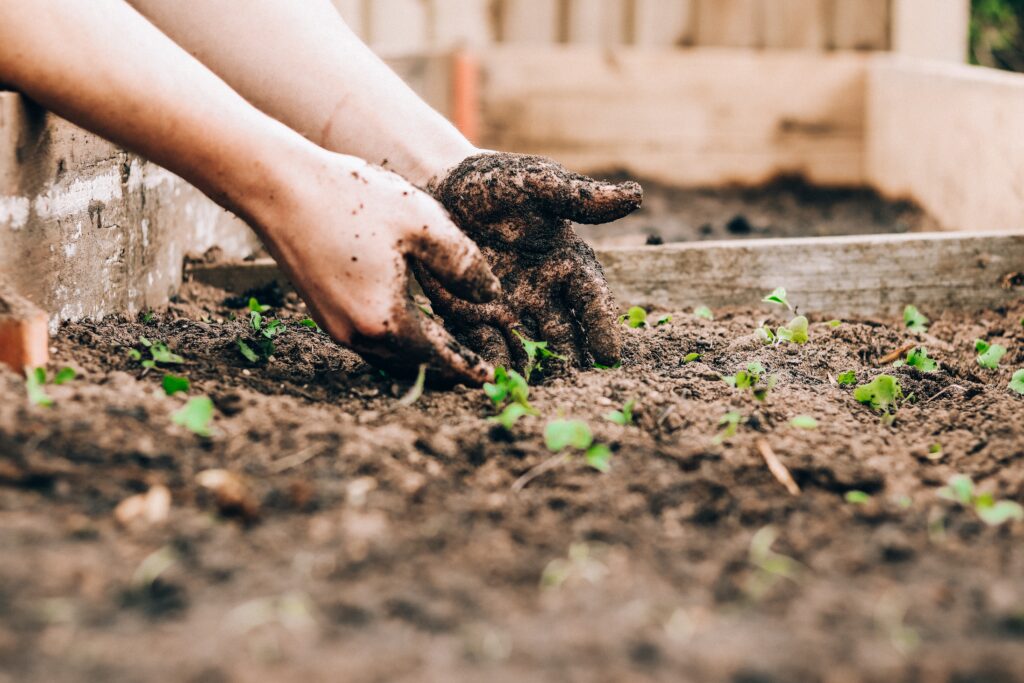
Incorporate organic matter such as compost or well-rotted manure into your soil to improve its fertility and texture. This will provide essential nutrients to your plants and enhance moisture retention.
6.4 Improve Drainage if Needed
If your soil has poor drainage, consider making improvements by incorporating materials like coarse sand or perlite. This will prevent waterlogging and promote healthy root growth.
7. Install Your Hardscape Elements
7.1 Start with Pathways and Walkways
Begin installation of hardscape elements by constructing your pathways and walkways. Follow the planned design and use appropriate materials to ensure durability and functionality.
7.2 Build Seating Areas
Construct seating areas using the chosen materials, whether it’s wooden benches, stone seating walls, or outdoor furniture. Ensure that these areas are comfortable, sturdy, and complement the overall design of your garden.
7.3 Install Water Features
If you’ve chosen to incorporate water features, install them according to their specific design requirements. This may involve digging ponds, positioning fountains, or building a rock waterfall.
7.4 Construct Fences or Walls
Build fences or walls to define the boundaries of your garden and create privacy. Choose materials that align with your design style and provide the desired level of security and aesthetic appeal.
7.5 Set Up Lighting Fixtures
Install lighting fixtures strategically to illuminate pathways, highlight focal points, and create a magical ambiance in the evening. Consider low-voltage or solar-powered options for energy efficiency.
8. Plant Your Garden
8.1 Follow Planting Guidelines
When planting your chosen plants, refer to their specific guidelines regarding depth, spacing, and plant care. Follow these instructions to ensure their successful establishment in your garden.
8.2 Dig Proper Planting Holes
Dig planting holes that are wide and deep enough to accommodate the root systems of your plants. Loosen the soil around the hole and position the plants at the appropriate depth, backfilling with soil as you go.
8.3 Arrange Plants According to Design
Referencing your garden design plan, arrange the plants in their designated locations. Consider their heights, colors, and textures to ensure a harmonious and visually appealing arrangement.
8.4 Water and Mulch to Promote Growth
Water your newly planted garden thoroughly and apply a layer of organic mulch around the plants. This will help retain moisture, suppress weed growth, and provide insulation for the roots.

9. Add Finishing Touches
9.1 Incorporate Decorative Elements
Enhance the beauty of your garden by incorporating decorative elements such as garden sculptures, trellises, or wind chimes. Select elements that complement your design style and add a personal touch to your space.
9.2 Add Garden Furniture and Accessories
Complete your garden design by adding suitable furniture and accessories. From outdoor tables and chairs to cozy pillows and rugs, choose items that make your garden a comfortable and inviting space.
9.3 Install Garden Art or Sculptures
Consider installing art pieces or sculptures that reflect your personality and enhance the visual appeal of your garden. These can serve as focal points or stylish accents that add a unique touch to your landscape.
9.4 Consider Seasonal Decorations
To keep your garden fresh and exciting throughout the year, consider adding seasonal decorations. This can include seasonal flowers, wreaths, or themed ornaments that bring a festive atmosphere to your outdoor space.
10. Implement Regular Maintenance
10.1 Develop a Watering Schedule
Establish a regular watering schedule based on the specific needs of your plants. Consider factors such as rainfall, temperature, and soil moisture levels to ensure that your plants receive adequate hydration.
10.2 Prune and Trim Plants as Needed
Regularly prune and trim your plants to maintain their shape, promote healthy growth, and remove any diseased or damaged parts. Follow recommended pruning techniques to avoid harming the plants.
10.3 Monitor and Control Pests
Stay vigilant by monitoring your garden for pests and promptly address any infestations. Use environmentally friendly pest control methods to protect your plants and maintain a healthy ecosystem.
10.4 Fertilize and Feed Plants Properly
Feed your plants with the appropriate fertilizers to ensure they receive the necessary nutrients for optimal growth. Follow the recommended feeding schedules and choose organic options whenever possible.
10.5 Perform Soil Testing and Amendments
Regularly test your soil to monitor its pH levels and nutrient content. Based on the results, amend the soil as necessary to maintain its fertility and provide a favorable environment for your plants.
10.6 Clean and Maintain Hardscape Elements
Regularly clean and maintain your hardscape elements to ensure their longevity and functionality. Remove debris from pathways, clean seating areas, and inspect water features for any necessary repairs.
With this comprehensive guide, you have all the information you need to landscape your garden and create a personal oasis that brings you joy and tranquility. Remember to consider your garden’s unique characteristics, set your goals and design vision, choose the right plants, plan for structural elements, and implement regular maintenance practices. Enjoy the process of creating your own green paradise and let The Write Gardener be your trusted source of knowledge and inspiration along the way.
