

Immerse yourself in the world of landscape gardening with “Principles of Landscape Gardening: A Comprehensive Guide.” At The Write Gardener, we understand the joy and tranquility that a beautiful garden can bring, which is why we have created a platform for both amateur and professional gardeners to find valuable resources and articles on all aspects of landscape gardening. With our diverse range of content, carefully curated by experienced horticulturists and gardening enthusiasts, you can explore inspiring garden designs, learn essential techniques, and stay updated with industry trends. Whether you’re a beginner or seasoned gardener, our website is here to assist you on your journey towards creating a garden that reflects your style and contributes to the preservation of our planet’s natural beauty. Join our community today and start delving into a world of green beauty and sustainable landscaping practices. The Write Gardener is your go-to destination for all your landscape gardening needs.

Understanding Landscape Gardening
Landscape gardening is the art and science of creating beautiful outdoor spaces by combining natural and man-made elements. It involves careful planning, design, and implementation to transform a plain piece of land into an aesthetically pleasing and functional garden. The goal of landscape gardening is to harmonize the built environment with the natural surroundings, creating a space that is both visually appealing and environmentally friendly.
Benefits of Landscape Gardening
There are numerous benefits to incorporating landscape gardening into your outdoor space. Firstly, a well-designed garden can greatly enhance the visual appeal of your property, increasing its value and curb appeal. A beautifully landscaped garden creates a welcoming and inviting atmosphere, making your home a more enjoyable place to live.
In addition to aesthetic benefits, landscape gardening can also provide practical advantages. By carefully selecting and positioning plants, trees, and shrubs, you can create natural shade, reducing the need for air conditioning during hot summer months. Furthermore, a well-designed garden can help to manage drainage and erosion issues, preventing water damage and soil erosion.
Landscape gardening also has significant environmental benefits. By choosing native plants and implementing sustainable practices, you can create a garden that supports local wildlife, promotes biodiversity, and conserves water. Additionally, a thoughtfully designed garden can help to reduce noise pollution and improve air quality, creating a healthier and more enjoyable outdoor environment.
History of Landscape Gardening
The art of landscape gardening has a rich history that dates back thousands of years. It has its roots in ancient civilizations such as the Babylonians, Persians, and Egyptians, who created elaborate gardens as symbols of power and wealth. These early gardens featured grand water features, terraced landscapes, and intricate plantings.
In the Western world, landscape gardening gained prominence during the Renaissance period. Influenced by the belief in the healing powers of nature, gardens became an integral part of European palaces and estates. Italian Renaissance gardens, characterized by their symmetry, geometric shapes, and ornate sculptures, became the inspiration for future garden designs.
During the 18th and 19th centuries, landscape gardening underwent a significant transformation. The English landscape garden movement, spearheaded by designers such as Capability Brown and Humphry Repton, emphasized naturalistic design principles and sought to create gardens that appeared as if they were part of the surrounding countryside.
Today, landscape gardening continues to evolve, with contemporary designers drawing inspiration from a wide range of cultural and environmental influences. From formal gardens to minimalist designs, landscape gardening has become an art form that reflects individual tastes and preferences while incorporating sustainable and eco-friendly practices.
Planning Your Landscape
Before embarking on your landscape gardening project, it is crucial to plan and prepare accordingly. This includes conducting a site analysis, identifying your needs and goals, creating a design concept, and considering your budget and available resources.
Site Analysis
A thorough site analysis is the first step in landscape gardening. It involves assessing the existing conditions of your outdoor space, including factors such as soil composition, topography, existing vegetation, and the availability of sunlight and shade. By understanding these site-specific characteristics, you can make informed decisions about plant selections, placement of structures, and overall design considerations.
Identifying Your Needs and Goals
Next, you need to identify your specific needs and goals for your garden. Consider how you plan to use the space – will it be primarily for entertaining, relaxation, or recreation? Do you want to create a private sanctuary or a vibrant social space? Understanding your needs and goals will help guide the design process and ensure that your garden fulfills its intended purpose.
Creating a Design Concept
Once you have a clear understanding of your site and goals, it’s time to create a design concept for your garden. This involves considering elements such as layout, circulation patterns, focal points, and the overall style and theme of your outdoor space. You can gather inspiration from various sources, such as magazines, books, and online resources, to develop a concept that reflects your personal taste and complements your property.
Considering Budget and Resources
Lastly, it is essential to consider your budget and available resources when planning your landscape. Determine how much you are willing to invest in your garden, considering factors such as materials, plants, labor costs, and ongoing maintenance. Be realistic about what you can afford, and explore options for cost-effective alternatives that still achieve your desired outcomes.
By taking the time to plan and prepare, you can ensure that your landscape gardening project is a success, and that your garden meets your needs and surpasses your expectations. The planning phase sets the foundation for the entire process and serves as a roadmap to guide you through the implementation and maintenance stages.

Designing Your Garden
Once you have completed the planning phase, it’s time to move on to the design stage of your landscape gardening project. This is where you can unleash your creativity and bring your vision to life. Designing your garden involves working with various elements, choosing the right plants, creating focal points, and understanding scale and proportion.
Elements of Landscape Design
There are several key elements to consider when designing your garden. These include line, form, color, texture, and balance. Line refers to the visual movement created by paths, hedges, and borders. Form pertains to the shape and structure of plants, trees, and structures within the garden. Color adds vibrancy and interest, while texture adds depth and contrast. Lastly, balance refers to the distribution of visual weight within the garden, ensuring a harmonious arrangement of elements.
Choosing the Right Plants
Selecting the right plants is crucial to the success of your garden design. Consider factors such as climate, soil type, sun exposure, and maintenance requirements when choosing plants that will thrive in your specific environment. Aim for a balance of trees, shrubs, perennials, and annuals to add diversity and interest to your garden. Additionally, consider incorporating native plants that are well-suited to your region, as they are more likely to thrive and support local wildlife.
Creating Focal Points
Focal points are key features within your garden that draw attention and serve as focal points. They can be architectural structures, water features, sculptures, or even specimen plants. Focal points add visual interest and create a sense of intrigue and discovery within your garden. They help to guide the eye and create a cohesive design that flows seamlessly.
Understanding Scale and Proportion
Scale and proportion are important considerations in landscape design. They refer to the relationship between the sizes of various elements within the garden and their overall context. For example, tall trees can provide vertical scale, while low-growing plants and ground covers can add horizontal scale. Proportion refers to the relative size and visual weight of different elements, ensuring a balanced and harmonious design.
By carefully considering these design principles, you can create a garden that is visually appealing, functional, and reflects your personal style. Incorporate elements that resonate with you, and don’t be afraid to experiment and think outside the box. The design phase is an exciting opportunity to let your creativity shine and create a garden that is truly unique to you.
Choosing and Preparing the Site
Before you can begin implementing your design, it is important to choose and prepare the site for your landscape gardening project. This involves selecting an appropriate location, clearing and preparing the area, assessing soil conditions, and considering drainage considerations.
Selection of Site
When selecting a site for your garden, consider factors such as sunlight exposure, accessibility, privacy, and existing features. Choose a location that receives adequate sunlight for the type of plants you intend to grow and that is easily accessible from your home. Take into account any existing structures or trees that you want to preserve or work around, as these can greatly impact the overall layout and design of your garden.
Clearing and Preparing the Area
Once you have chosen a site, the next step is to clear and prepare the area. Remove any existing vegetation, such as grass, weeds, or shrubs, that may interfere with the construction process. Clearing the area provides a blank canvas for your design and ensures that the space is ready for the installation of structures, planting beds, and other elements.
Soil Testing and Improvement
Before you start planting, it is important to assess the quality of your soil and make any necessary improvements. Conduct a soil test to determine its pH level and nutrient content. This will help you determine if any amendments, such as lime or organic matter, need to be added to improve the soil’s fertility and structure. Consider consulting with a horticulturist or landscape professional for guidance on soil improvement strategies tailored to your specific garden.
Drainage Considerations
Proper drainage is essential for the health and longevity of your garden. Assess the natural drainage patterns of your site and make provisions to ensure that excess water can flow away from your plants and structures. If necessary, install drainage systems or incorporate water retention features, such as rain gardens or swales, to manage and redirect water runoff.
By carefully selecting and preparing your site, you can create a solid foundation for your landscape gardening project. Taking the time to plan and prepare ensures that your garden will thrive and that your hard work will be rewarded with healthy, vibrant plants and a functional outdoor space.
Structural Elements
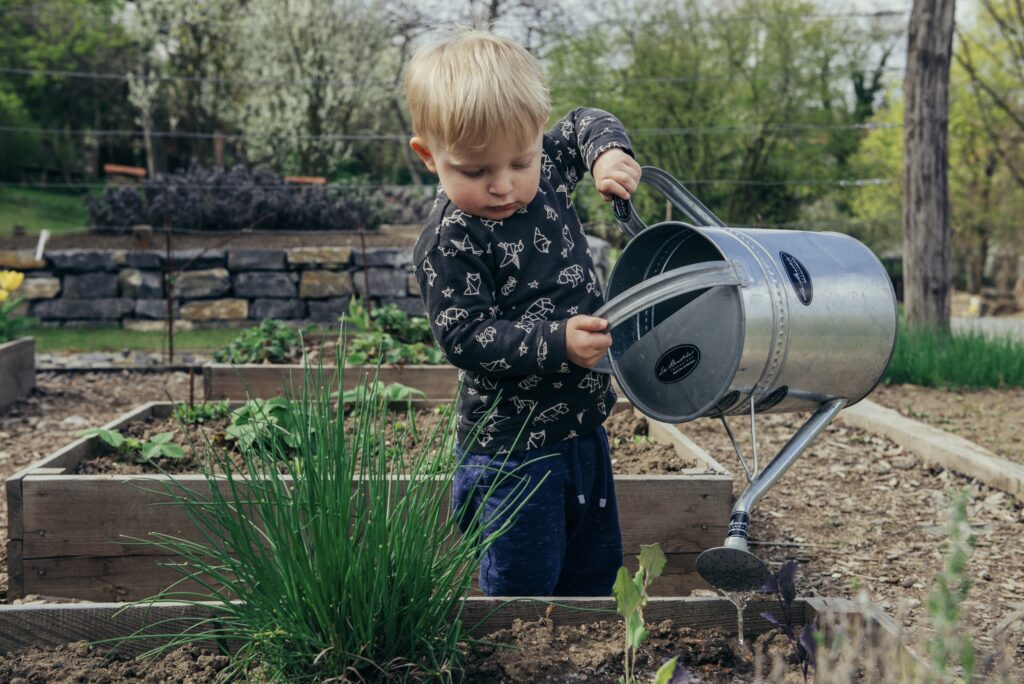
Structural elements are the backbone of your landscape design. They add vertical and horizontal interest, create functional spaces, and define various zones within your garden. Some key structural elements to consider include paths and walkways, patios and decks, retaining walls, and water features.
Paths and Walkways
Paths and walkways are essential for creating circulation patterns and guiding visitors through your garden. They can be made from a variety of materials, such as gravel, stone, concrete, or pavers, depending on the desired aesthetic and functionality. Consider how people will move through your garden and design paths and walkways that are both practical and aesthetically pleasing.
Patios and Decks
Patios and decks provide outdoor living spaces for relaxation, entertaining, and dining. They can be constructed from various materials, such as wood, stone, or concrete, and can be designed to complement the style and theme of your garden. Take into account factors such as sun exposure, privacy, and access to utilities when determining the best location for your patio or deck.
Retaining Walls
Retaining walls are structures that help to hold back soil or create level areas in a sloping garden. They can be made from a variety of materials, such as stone, concrete, or timber, and can add visual interest and vertical dimension to your garden. Retaining walls can be used to create terraced landscapes, raised planting beds, or seating areas, depending on your specific needs and site conditions.
Water Features
Water features, such as ponds, fountains, or waterfalls, can add a sense of tranquility and visual appeal to your garden. They provide a focal point and create a soothing atmosphere through the sound and movement of water. Consider the size, placement, and maintenance requirements of water features when incorporating them into your design.
By integrating these structural elements into your garden, you can create a visually interesting and functional outdoor space. Each element serves a specific purpose and adds its own unique character to your landscape. Carefully consider the scale, proportion, and location of these features to ensure that they enhance the overall design and meet your specific needs.
Planting Techniques and Maintenance
Planting is one of the most important aspects of landscape gardening. It involves selecting and installing plants, as well as implementing proper maintenance practices to ensure their health and vitality. Understanding planting methods, pruning and trimming, mulching and fertilization, and watering and irrigation techniques are essential for a successful garden.
Planting Methods
There are several planting methods to consider when installing plants in your garden. These include direct planting, container planting, and transplanting. Direct planting involves placing plants directly into the ground, while container planting involves planting plants from containers or pots. Transplanting, on the other hand, involves moving plants from one location to another. Each planting method has its own advantages and considerations, so choose the appropriate method based on the specific needs of your plants and the conditions of your garden.
Pruning and Trimming
Pruning and trimming are important maintenance practices that help to shape and maintain the health of your plants. Pruning involves removing dead or diseased branches, creating a more attractive and compact plant. Trimming, on the other hand, involves cutting back foliage to maintain the desired size or shape of a plant. Regular pruning and trimming can promote healthy growth, improve air circulation, and prevent disease and pest infestations.
Mulching and Fertilization
Mulching and fertilization are essential for providing nutrients to your plants and promoting healthy growth. Mulch helps to retain moisture, suppress weed growth, and regulate soil temperature. It can be applied around the base of plants or spread over planting beds. Fertilizers, on the other hand, provide essential nutrients that plants need to thrive. Consider using organic fertilizers that are slow-release and environmentally friendly to minimize the risk of nutrient runoff and pollution.
Watering and Irrigation
Proper watering and irrigation are crucial for the health and survival of your plants. Each plant has different water requirements, so it is important to understand the specific needs of your plants and adjust your watering practices accordingly. Over-watering can lead to root rot and other problems, while under-watering can cause plants to become stressed and susceptible to disease. Consider installing an irrigation system, such as drip irrigation or sprinklers, to ensure that your plants receive an adequate and consistent water supply.
By implementing proper planting techniques and maintenance practices, you can ensure the health and longevity of your garden. Regularly monitor your plants for signs of pests, diseases, or nutrient deficiencies, and promptly address any issues that arise. With proper care and attention, your garden will thrive and provide years of beauty and enjoyment.

Creating a Sustainable Garden
Creating a sustainable garden is not only beneficial for the environment but also for the long-term health and vitality of your plants. By adopting sustainable practices, such as choosing native plants, conserving water, and implementing eco-friendly strategies, you can create a garden that is both beautiful and environmentally friendly.
Importance of Sustainability
Sustainability is about preserving and protecting the natural resources that support life on Earth. By creating a sustainable garden, you can reduce your environmental impact, conserve water and energy, and support biodiversity. Sustainability also promotes the health and well-being of your plants, ensuring that they have the resources they need to thrive and flourish.
Choosing Native Plants
One of the most effective ways to create a sustainable garden is by choosing native plants. Native plants are adapted to the local climate and soil conditions, making them more resilient and requiring less maintenance and resources. They are also more likely to support local wildlife, such as birds, bees, and butterflies, by providing food and habitat. Incorporating native plants into your garden helps to preserve biodiversity and promotes a healthy and balanced ecosystem.
Conserving Water
Water conservation is a critical aspect of sustainable gardening. By implementing water-saving techniques, such as installing efficient irrigation systems, using mulch to retain moisture, and collecting rainwater, you can reduce your water usage and minimize water waste. Consider using drought-tolerant plants that require less water and are adapted to your region’s climate. Additionally, avoid over-watering your plants by monitoring soil moisture levels and adjusting irrigation accordingly.
Implementing Eco-friendly Practices
Incorporating eco-friendly practices into your garden can further enhance its sustainability. Use organic fertilizers and pesticides that are free from harmful chemicals and reduce the risk of water pollution. Compost your kitchen and garden waste to create nutrient-rich soil amendments. Create habitat areas, such as birdhouses or insect hotels, to provide resources for beneficial wildlife. Minimize the use of synthetic materials, such as plastic, and opt for sustainable alternatives whenever possible. By making conscious choices and taking small steps, you can contribute to a healthier and more sustainable environment.
By creating a sustainable garden, you not only reduce your environmental footprint but also create a space that is resilient, self-sustaining, and visually appealing. Sustainability goes hand in hand with good garden practices, ensuring that your garden continues to thrive for years to come.
Garden Styles and Themes
Garden styles and themes allow you to express your personal taste and create a garden that reflects your unique style and preferences. From formal gardens to informal designs, there are various styles and themes to choose from, each with its own characteristics and design principles.
Formal Gardens
Formal gardens are characterized by their symmetrical layout, geometric shapes, and precise lines. They often feature clipped hedges, formal planting beds, and structured design elements. Formal gardens are typically associated with grand estates and palaces, evoking a sense of elegance and sophistication.
Informal Gardens
Informal gardens, also known as cottage or country gardens, have a more relaxed and naturalistic feel. They embrace a more organic and romantic style, with curving paths, mixed planting beds, and an abundance of flowers. Informal gardens often include elements such as arbors, water features, and sitting areas that invite visitors to explore and linger.
Japanese Gardens
Japanese gardens are inspired by the traditional gardens of Japan and reflect the principles of Zen Buddhism. They often feature elements such as water, rocks, gravel, and carefully placed plants. Japanese gardens aim to create a sense of tranquility and harmony, with a focus on simplicity, balance, and natural landscapes.
Mediterranean Gardens
Mediterranean gardens draw inspiration from the sunny climates and lush landscapes of the Mediterranean region. They feature elements such as citrus trees, fragrant herbs, and vibrant flowers. Mediterranean gardens often include terracotta pots, stone pathways, and shaded seating areas that evoke a sense of relaxation and Mediterranean charm.
When choosing a garden style or theme, consider factors such as your personal taste, the architectural style of your home, and the local climate and environmental conditions. Explore different styles and themes to find one that resonates with you and complements your property. Remember, the beauty of landscape gardening is that you can always modify and evolve your garden over time to reflect your changing tastes and preferences.
Gardening Tools and Equipment
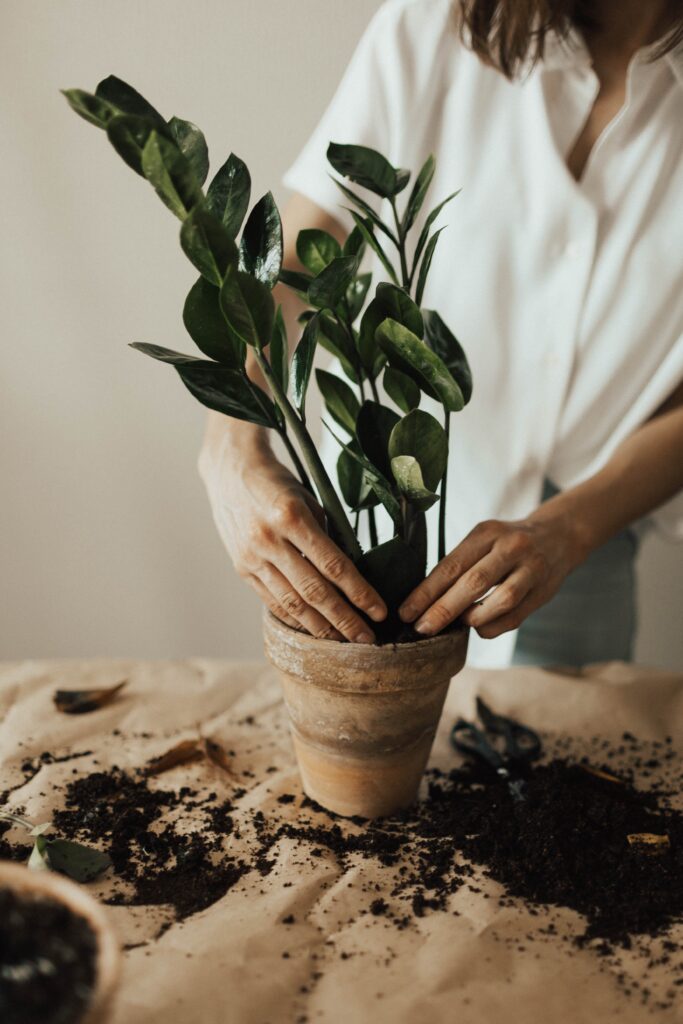
Having the right tools and equipment is essential for maintaining and caring for your garden. Whether you are a novice gardener or an experienced landscaper, having a collection of essential gardening tools can make your tasks easier, more efficient, and enjoyable.
Essential Gardening Tools
Some essential gardening tools include a shovel or spade for digging, a rake for leveling and smoothing the soil, a hand trowel for planting and transplanting, and pruning shears for trimming and shaping plants. Other handy tools to have include a garden hose, a watering can, a wheelbarrow or garden cart for transporting heavy materials, and a pair of gloves for protecting your hands.
Power Tools for Landscaping
Power tools can also greatly assist in landscape gardening tasks. These include tools such as lawnmowers, leaf blowers, trimmers, and chainsaws. Power tools can save time and energy, especially for larger gardens or extensive landscaping projects. When using power tools, always ensure that you follow safety guidelines and wear appropriate protective gear.
Safety Considerations
Safety should always be a priority when working in the garden. Wear protective clothing, such as gloves, closed-toe shoes, and eye and ear protection, when using tools or handling hazardous materials. Properly store and secure your tools to prevent accidents and injuries. Be cautious of your surroundings, especially when operating power tools or working at heights. If you are unsure about a particular task or tool, seek professional advice or assistance.
Maintenance of Tools and Equipment
Regular maintenance of your tools and equipment is necessary to ensure their longevity and optimal performance. Clean and dry your tools after use to prevent rust and corrosion. Sharpen blades regularly to maintain their cutting effectiveness. Check and replace any worn or damaged parts, such as handles or screws. By properly maintaining your tools, you can extend their lifespan and save money in the long run.
Investing in quality tools and equipment is a worthwhile investment for any gardener. Good tools not only make your tasks easier and more efficient but also contribute to the overall health and well-being of your garden. Choose tools that are comfortable to handle and suited to the specific tasks you need to perform. With the right tools at hand, you can tackle any gardening project with confidence and ease.
Troubleshooting Common Issues
While landscape gardening can be a rewarding and enjoyable endeavor, it is not without its challenges. Common issues that gardeners face include pests and diseases, weed growth, drainage problems, and damage to structures. Understanding how to deal with these issues can help you maintain the health and beauty of your garden.
Dealing with Pests and Diseases
Pests and diseases can damage and even kill your plants if not addressed promptly. Regularly inspect your plants for signs of pests, such as chewed leaves or discoloration, and take appropriate action to control their populations. Consider using organic and environmentally friendly pest control methods, such as hand-picking or applying natural insecticides. For diseases, practice good sanitation, such as removing and disposing of infected plant material, and consider using disease-resistant plant varieties.
Managing Weed Growth
Weeds can quickly overtake your garden if left unchecked. Regularly inspect your garden for weeds and promptly remove them by hand or using appropriate tools, such as a hoe or weed puller. Applying mulch to your planting beds can help suppress weed growth by blocking sunlight and preventing weed seeds from germinating. Consider using organic weed control methods, such as vinegar-based herbicides or steam treatments, to minimize the need for harmful chemicals.
Resolving Drainage Problems
Poor drainage can lead to waterlogging, erosion, and other problems in your garden. If you notice standing water or excessive runoff after rainfall, consider implementing drainage solutions, such as installing French drains, adding drainage pipes, or regrading the landscape. Assess the slope and topography of your garden and make improvements as necessary to ensure that water is being directed away from your plants and structures.
Repairing Damaged Structures
In a garden, structures such as fences, trellises, and seating areas can become damaged due to weather, wear and tear, or accidents. Regularly inspect your structures for any signs of damage, such as loose boards or broken fasteners, and make repairs as necessary. Replace damaged materials or components to maintain the integrity and safety of your structures. Consider using weather-resistant materials and applying protective coatings to prolong the life of your structures.
When troubleshooting common issues in your garden, it is important to take a proactive approach and address problems as soon as they arise. Regular maintenance, vigilant observation, and timely action are key to preventing further damage and maintaining the health and beauty of your garden. Seek professional advice or assistance if you are unsure about the best course of action for a particular issue.
In conclusion, landscape gardening is a multifaceted endeavor that requires careful planning, creativity, and ongoing maintenance. By understanding the principles of landscape gardening and implementing appropriate techniques and practices, you can create a garden that is not only visually appealing but also sustainable, functional, and enjoyable. Whether you are a beginner or an experienced gardener, The Write Gardener is here to provide you with the resources, information, and community support you need to embark on your landscape gardening adventure. Join our community today and discover a world of green beauty and endless possibilities. Let The Write Gardener be your guide on your journey to create a garden that reflects your style and brings you closer to nature.