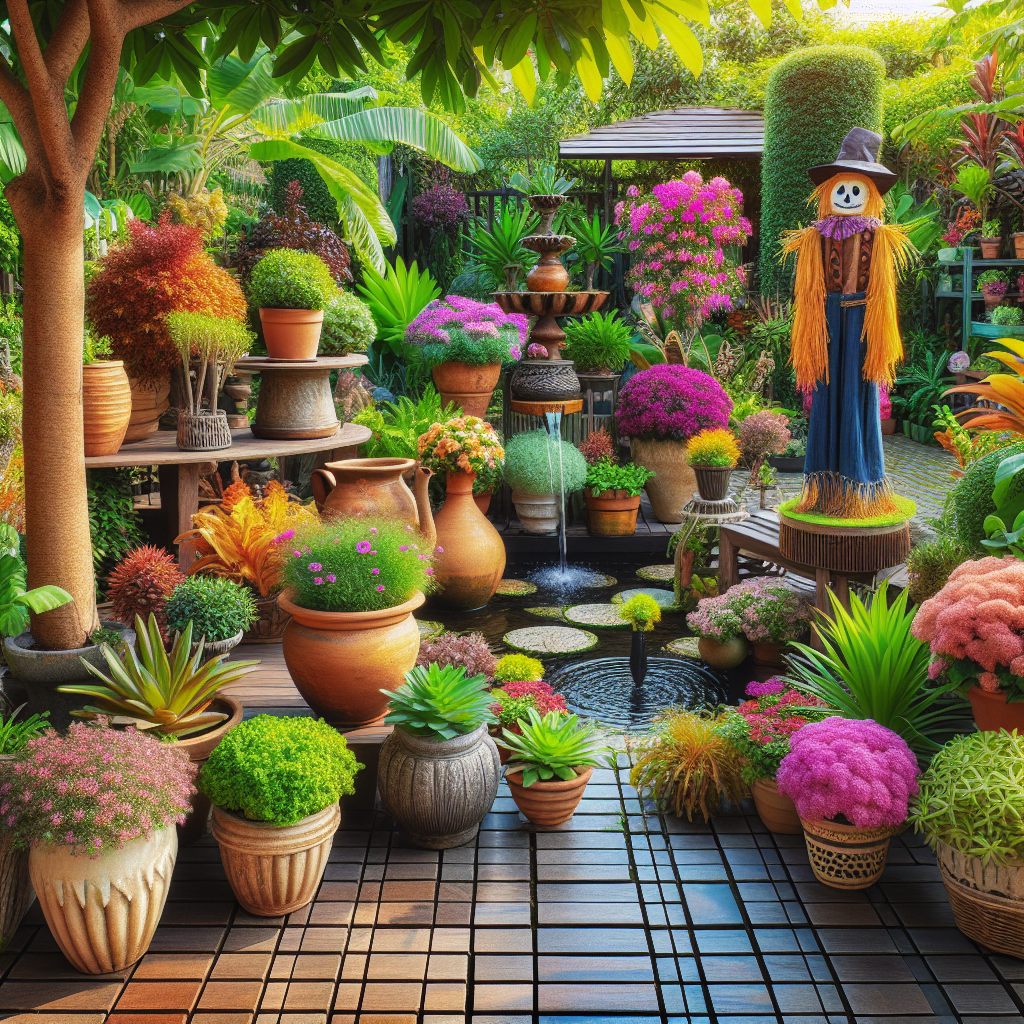
Transforming your small garden into a beautiful oasis is easier than you think. The Write Gardener is here to offer you a wealth of landscape gardening ideas for small gardens that will inspire and guide you on your journey. With our diverse range of articles and resources, carefully curated by experienced horticulturists and gardening enthusiasts, you can discover stunning garden designs, learn essential techniques for landscaping, and stay up to date with the latest trends in the industry. We cater to both amateurs and professionals, providing relevant and practical information to help you create a garden that not only reflects your style but also contributes to the preservation of our planet’s natural beauty. Join our community today, and let The Write Gardener be your trusted guide on your landscape gardening adventure.
Design Ideas
Vertical Gardens
Vertical gardens are a great option for small gardens as they maximize the use of vertical space. You can create a lush, green wall by planting a variety of plants that can be trained to grow vertically, such as ivy, ferns, and climbing roses. This not only adds visual interest to your garden but also helps to create a sense of privacy.
Container Gardening
Container gardening is another excellent design idea for small gardens. It allows you to grow plants in containers of various sizes and shapes, which can be placed strategically around your garden to create different focal points. You can choose from a wide range of plants, including flowers, herbs, and vegetables, and mix and match them to create a visually appealing and functional garden.
Terraced Gardens
Creating terraced gardens is a clever way to make the most of limited space. By leveling uneven ground and creating different levels or tiers, you can create distinct areas for different types of plants or activities. For example, you can have a lower tier dedicated to a herb garden and a higher one for a seating area or a small pond. Terraced gardens not only add depth and dimension to your yard but also provide opportunities for unique landscaping ideas.
Fairy Gardens
Fairy gardens are a whimsical and enchanting design idea for small gardens. These miniature gardens are created using small plants, figurines, and accessories to create a tiny fantasy world. They add a touch of magic and charm to your garden and can be enjoyed by people of all ages. You can create your own fairy garden by using a shallow container, filling it with rich soil, and adding small plants and decorations to create a fairyland oasis.
Japanese Zen Gardens
Japanese Zen gardens are renowned for their tranquility and simplicity. They are characterized by carefully arranged rocks, gravel or sand, and carefully pruned trees or shrubs. These gardens provide a sense of calm and serenity and are perfect for small spaces. You can create your own Zen garden by using natural materials like rocks and gravel, and adding elements like bonsai trees, bamboo, and a small water feature for a peaceful and meditative atmosphere.
Plant Selection
Low-Maintenance Plants
When it comes to small gardens, opting for low-maintenance plants is a smart choice. These plants require minimal upkeep and can thrive in various conditions. Examples of low-maintenance plants include succulents, ornamental grasses, and lavender. They not only add beauty to your garden but also save you time and effort in terms of watering and maintenance.
Dwarf or Compact Varieties
Choosing dwarf or compact varieties of plants is another way to maximize space in your small garden. These plants have been bred to stay smaller in size, making them ideal for smaller spaces. For example, instead of planting a large rose bush, you can opt for a dwarf rose variety that will still provide beautiful blooms without taking up too much space. Dwarf or compact plants are available in a wide range of options, including flowers, shrubs, and even fruit trees.
Raised Bed Planting
Raised bed planting is a practical and space-saving solution for small gardens. It involves creating raised beds using wood, stone, or other materials and filling them with soil. This not only helps to improve drainage but also allows you to grow a variety of plants in a small area. Raised beds are especially beneficial for growing vegetables and herbs as they can be easily accessed and protected from pests.
Herb and Vegetable Gardens
Growing your own herbs and vegetables is not only rewarding but also a practical use of limited garden space. Small gardens can be transformed into productive spaces by dedicating a section to growing herbs and vegetables. You can grow them in raised beds, vertical gardens, or even in pots and containers. By having your own herb and vegetable garden, you can enjoy fresh and organic produce right at your doorstep.
Native Plants
Choosing native plants for your small garden is a great way to promote biodiversity and support local ecosystems. Native plants are adapted to the local climate and require less water and maintenance compared to non-native species. They also provide food and shelter for local wildlife, creating a balanced and sustainable environment. Research native plants in your area and incorporate them into your garden to create a thriving ecosystem.
Creating Illusions of Space
Mirrors and Reflective Surfaces
Mirrors and reflective surfaces can create an illusion of space in a small garden. By strategically placing mirrors or shiny objects, you can create the illusion of depth and make your garden appear larger than it actually is. Mirrors can be placed on walls or fences, or even on the back of garden structures. Reflective surfaces, such as metal sculptures or water features, can also help to create an optical illusion of increased space.
Tiered Planters
Tiered planters are a fantastic option for small gardens as they allow you to utilize vertical space effectively. You can create tiers of plants using different types of planters, such as hanging baskets or shelves. This not only adds visual interest to your garden but also maximizes the number of plants you can grow in limited space.
Strategic Lighting
Strategic lighting can make a significant difference in small garden design. By using lights to highlight specific features or areas, you can create a focal point and draw attention away from the size of the garden. For example, you can use uplighting to illuminate a beautiful tree or a water feature, or string lights to create a cozy and inviting atmosphere in the evenings.
Use of Color and Texture
Using the right combination of colors and textures can create depth and visual interest in a small garden. Opt for a color scheme that includes a variety of shades and tones to add depth and make the space feel more expansive. Incorporate plants with different textures, such as feathery ferns or spiky succulents, to create visual contrast and add dimension to your garden.
Vertical Structures
Vertical structures, such as trellises, pergolas, or arches, can add height and create the illusion of a larger space in a small garden. These structures not only provide support for climbing plants but also add architectural interest to your garden. By utilizing vertical structures, you can create an interesting vertical element and draw the eye upwards, creating the illusion of more space.
Maximizing Functionality
Multi-purpose Furniture
Maximizing functionality in a small garden can be achieved by incorporating multi-purpose furniture. Choose furniture pieces that can serve multiple functions, such as benches with built-in storage or tables that can be folded and stored when not in use. This allows you to make the most of your space without sacrificing comfort and convenience.
Hidden Storage Solutions
Storage is always a challenge in small gardens, but there are clever solutions available. Incorporate hidden storage options, such as storage benches or ottomans, that can double as seating. You can also utilize vertical space by installing shelving units or hooks to hang gardening tools, pots, and other items. By minimizing clutter and maximizing storage, you can create a functional and organized space.
Creating Outdoor Rooms
Dividing your small garden into different outdoor rooms can help create separate areas for various activities, such as dining, lounging, or gardening. Use hedges, trellises, or tall grasses to create natural boundaries and define different zones within your garden. Each outdoor room can be designed and decorated according to its function, making your small space feel more organized and purposeful.
Functional Pathways
Paths are an essential element of a small garden as they help to guide visitors and create a sense of structure. By using materials like gravel or stepping stones, you can create functional pathways that connect different areas of your garden. Consider using curves or zigzags in your paths to add visual interest and make your garden feel larger.
Utilizing Walls
Don’t forget about the vertical space offered by walls in your small garden. You can hang pots, planters, or even create a living wall by attaching pockets or panels filled with plants. This not only adds greenery to your garden but also utilizes space that would otherwise be unused. Additionally, adding hanging baskets or shelves to walls can provide extra space for growing herbs and small plants.

Water Features
Small Ponds or Waterfalls
Adding a small pond or waterfall can create a calming and soothing atmosphere in your small garden. Even a tiny pond or waterfall can create a focal point and bring a sense of serenity to your space. This water feature can be designed to fit your garden’s size and style, and can even be built using a container or a small prefabricated pond.
Container Water Gardens
If space is limited, container water gardens are an excellent alternative to traditional ponds. You can use a variety of containers, such as old buckets or wine barrels, to create a small water garden. By adding aquatic plants, like water lilies or water hyacinths, you can create a lush and beautiful oasis in your garden.
Wall Fountains
Wall fountains are a space-saving option for small gardens as they can be mounted on walls or fences. These vertical water features not only add a soothing element but also create visual interest and make use of vertical space. Wall fountains come in a variety of styles and sizes, allowing you to find one that complements your garden’s design.
Birdbaths
Birdbaths are not only a beautiful and decorative addition to your garden but also provide water for birds and other wildlife. Even a small birdbath can attract a variety of bird species, adding movement and life to your garden. Choose a birdbath that is proportionate to your garden’s size and place it in a location that is easily visible from different areas of your garden.
Watering Can Sprinklers
Watering can sprinklers are a creative way to incorporate water into your small garden. These sprinklers mimic the gentle flow of water from a watering can and can be placed among your plants to provide a refreshing mist. Watering can sprinklers not only water your plants but also add a playful and interactive element to your garden.
Adding Height and Depth
Arbors and Trellises
Arbors and trellises are excellent additions to small gardens as they add height and create a vertical element. These structures can be used as support for climbing plants, such as roses or clematis, and create a stunning focal point. By incorporating arbors and trellises, you can make your garden feel larger and more expansive.
Hanging Baskets
Hanging baskets are a versatile and space-saving option for small gardens. You can hang them from pergolas, trellises, or even tree branches to add height and visual interest. Fill the baskets with cascading plants like petunias or trailing vines for a beautiful and eye-catching display.
Climbing Plants
Climbing plants are a fantastic way to add height and depth to your small garden. By training plants to climb walls, fences, or trellises, you can create a vertical element that adds visual interest and makes your garden feel larger. Choose climbing plants that are suitable for your garden’s conditions and make sure to provide them with proper support as they grow.
Stacked Planters
Stacked planters are a creative and space-saving way to add height to your small garden. You can stack planters of different sizes to create a tiered effect and grow a variety of plants in a small area. Stacked planters not only add vertical interest but also allow you to experiment with different plant combinations for a visually appealing display.
Vertical Herb Gardens
Vertical herb gardens are not only practical but also add beauty and fragrance to your small garden. By using wall-mounted planters or hanging pots, you can grow a wide range of herbs in a small space. Vertical herb gardens not only provide easy access to herbs for culinary use but also create a stunning green display on any vertical surface.

Creating Privacy
Hedges and Fences
Hedges and fences are traditional and effective ways to create privacy in a small garden. Planting dense shrubs or installing a fence can create a natural or man-made barrier that shields your garden from prying eyes. Choose plants that are suitable for your garden’s conditions and trim them regularly to maintain the desired height and shape.
Privacy Screens
Privacy screens are a contemporary option for creating privacy in small gardens. These screens can be made of various materials, such as wood, metal, or bamboo, and can be placed strategically to block unwanted views. Privacy screens not only serve a practical purpose but also add a modern and stylish element to your garden.
Bamboo Panels
Bamboo panels are a versatile and eco-friendly option for creating privacy in a small garden. Bamboo is a fast-growing plant that provides an excellent natural barrier and can be used to create panels or screens. Bamboo panels not only create privacy but also add a tropical and exotic touch to your garden.
Tall Ornamental Grasses
Tall ornamental grasses are an attractive and low-maintenance option for creating privacy in a small garden. These grasses can provide a natural screen that sways with the wind and adds movement to your garden. Choose grass varieties that are suitable for your region’s climate, and plant them strategically to create a dense and beautiful privacy barrier.
Living Walls
Living walls, also known as green walls or vertical gardens, are a unique and innovative way to create privacy in a small garden. These walls are made up of plants that are grown vertically on a structure or mounted on a wall. Living walls not only offer privacy but also provide a striking and visually appealing statement in your garden.
Low Maintenance Solutions
Artificial Turf or Grasses
Artificial turf or grasses are great low-maintenance solutions for small gardens. These synthetic options require no mowing, watering, or fertilizing and provide a lush and green appearance all year round. Artificial turf is an excellent choice for creating a neat and tidy space that requires minimal upkeep.
Drought-Tolerant Plants
Choosing drought-tolerant plants is a smart solution for low-maintenance gardens. These plants are adapted to survive in dry conditions and require less water and maintenance compared to other plant varieties. Examples of drought-tolerant plants include succulents, lavender, and yucca. By incorporating these plants into your garden, you can save time, money, and water.
Mulching and Ground Covers
Mulching and ground covers are practical and low-maintenance solutions for small gardens. Mulching not only helps to retain moisture in the soil but also suppresses weed growth. Ground covers, such as creeping thyme or moss, can be planted to cover bare soil and prevent weeds from taking over. Both mulching and ground covers reduce the need for regular weeding and watering.
Automatic Irrigation Systems
Installing an automatic irrigation system is a convenient and time-saving solution for small gardens. These systems can be programmed to water your plants at specific times and durations, ensuring that they receive the right amount of water without any effort on your part. Automatic irrigation systems not only save you time and energy but also help to prevent over or under watering.
Self-Watering Planters
Self-watering planters are a practical solution for small gardens, especially if you have limited time or are frequently away from home. These planters have a built-in reservoir that stores water and releases it gradually to the plants, ensuring they receive consistent moisture. Self-watering planters eliminate the need for daily watering and help to keep your plants healthy and thriving.
Adding Personality
Outdoor Art and Sculptures
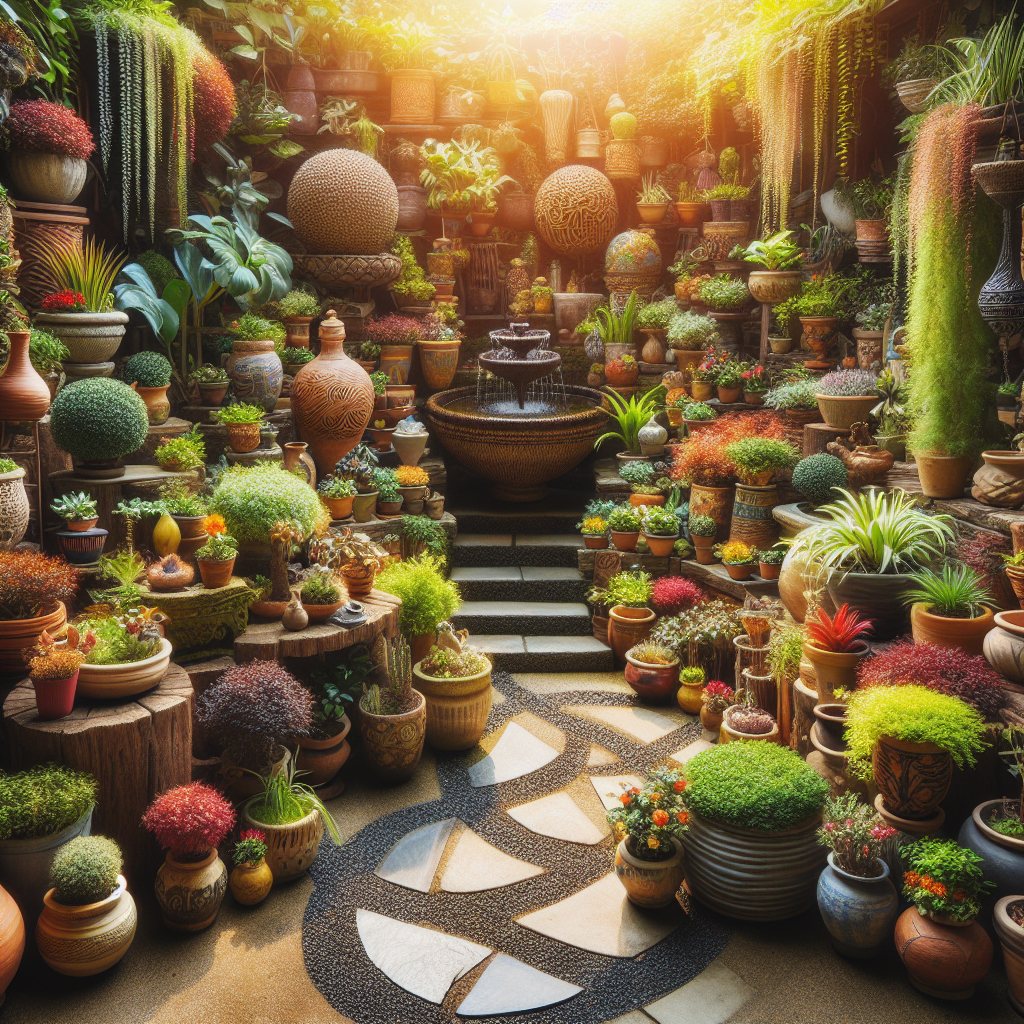
Adding outdoor art and sculptures is a creative way to add personality to your small garden. Sculptures made from metal, stone, or even recycled materials can serve as focal points and create visual interest. Outdoor art pieces can reflect your personal style and interests, making your garden a unique and personalized space.
Colorful Accents
Incorporating colorful accents in your small garden can make a big impact. You can use colorful pots, cushions, or accessories to add pops of color and create visual interest. Choose colors that complement your garden’s overall theme and select materials that are weather-resistant and durable.
Unique Planters and Containers
Using unique planters and containers is a fun way to add personality to your small garden. Repurposed items like old buckets, vintage teapots, or even shoes can be transformed into eye-catching planters. By thinking outside the box and using unconventional containers, you can create a garden that showcases your creativity and individual style.
Personalized Garden Signs
Personalized garden signs are a charming and whimsical addition to any small garden. These signs can be made from wood, metal, or even chalkboard paint and can be customized with your name or favorite quotes. Personalized garden signs not only add a personal touch but also help to create a warm and welcoming atmosphere.
DIY Projects
Embarking on DIY projects is a fantastic way to add your personal touch to your small garden. From building your own raised beds or pergolas to creating handmade stepping stones or wind chimes, DIY projects allow you to unleash your creativity and make your garden truly unique. Engaging in DIY projects can also be a fun and fulfilling activity that adds a sense of accomplishment to your gardening journey.
Small Garden Lighting
Pathway Lighting
Pathway lighting is essential in a small garden, especially if you want to enjoy it during the evening hours. By placing lights along your garden’s pathways, you can create a safe and inviting atmosphere. Use low-voltage LED lights, solar-powered lights, or even string lights to illuminate your paths and guide visitors through your garden.
Up Lighting for Plants
Using up lighting for plants is a great way to highlight specific plants or architectural features in your small garden. By placing spotlights at the base of trees, shrubs, or sculptures, you can create dramatic lighting effects and draw attention to particular elements. Up lighting not only adds depth but also creates a magical and enchanting ambiance in your garden.
String Lights and Lanterns
String lights and lanterns are versatile and affordable lighting options for small gardens. They can be hung from pergolas, trellises, or trees to create a soft and warm glow. String lights and lanterns add a festive and cozy atmosphere and make your garden a perfect outdoor gathering space for hosting summer parties or enjoying intimate dinners.
Solar-Powered Lights
Solar-powered lights are an environmentally friendly and cost-effective option for small garden lighting. These lights are powered by sunlight and automatically turn on at dusk, creating a magical and ethereal atmosphere in your garden. Solar-powered lights are available in various shapes and styles, including stake lights, string lights, and wall-mounted lights.
Fairy or Firefly Lights
Fairy or firefly lights are delicate and enchanting lighting options for small gardens. These tiny lights can be placed among plants or in trees to create a magical and whimsical effect. Fairy or firefly lights are available in battery-operated or solar-powered options and can be easily woven into your garden’s foliage for a mesmerizing nighttime display.
In conclusion, transforming a small garden into a beautiful and functional space is entirely possible with the right design ideas and strategies. Whether you choose to incorporate vertical gardens or embrace low-maintenance solutions, the key is to maximize every inch of your garden and make it a reflection of your style and personality. By utilizing the comprehensive ideas and suggestions provided, you can create a charming and vibrant oasis that brings you closer to nature and provides a source of joy and tranquility. Happy gardening!