
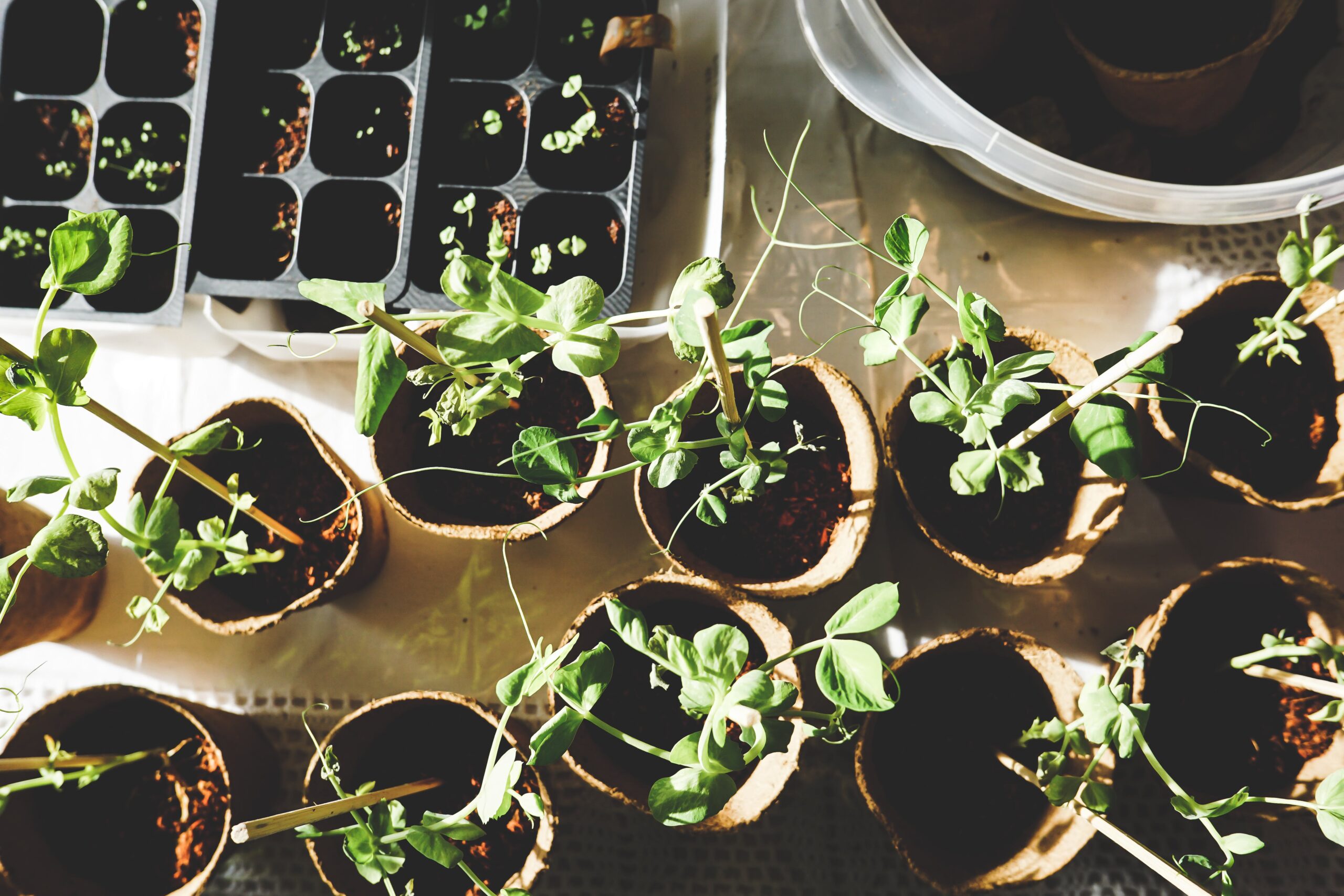
So, you’ve always had a fascination with the beauty of nature and how it can be curated to create stunning outdoor spaces. Well, you’re in luck because today we’re going to talk about the captivating world of landscape gardening. From transforming barren patches of land into enchanting havens to crafting breathtaking designs that harmonize with the surrounding environment, this article explores the artistry and skill behind landscape gardening services. Whether you’re a seasoned gardener or someone simply looking to add a touch of natural splendor to your surroundings, get ready to embark on a journey of inspiration and practical tips that will have you dreaming of lush gardens in no time.
History of Landscape Gardening
The origins of landscape gardening
Landscape gardening has a rich history that traces back to ancient civilizations. The earliest evidence of intentional landscaping can be found in the Hanging Gardens of Babylon, one of the Seven Wonders of the Ancient World. The Persians also had a significant influence on the development of landscape gardening, as they created intricate gardens known as paradise gardens.
In Europe, landscape gardening began to gain prominence during the Renaissance period. Italian Renaissance gardens, such as Villa d’Este in Tivoli, became renowned for their symmetrical designs and use of water features. These gardens were meticulously planned and served as a place for reflection and relaxation.
Influential figures in landscape gardening
Several influential figures have shaped the practice of landscape gardening throughout history. One notable figure is André Le Nôtre, the landscape architect responsible for designing the iconic gardens of the Palace of Versailles in France. His meticulous approach to symmetry and geometry set a standard for future landscape designers.
Another influential figure is Capability Brown, an English landscape architect who played a crucial role in the development of the English Landscape Garden style. Brown’s designs showcased a naturalistic approach, emphasizing the integration of the garden with the surrounding natural environment.
Evolution of landscape gardening over time
Over time, landscape gardening has evolved to reflect the changing aesthetics and values of society. In the 18th and 19th centuries, the English Landscape Garden style gained popularity, characterized by its informal and pastoral designs. These gardens often featured rolling lawns, strategically placed trees, and picturesque views.
In the 20th century, modernism had a significant impact on landscape gardening. Influential landscape architects such as Roberto Burle Marx and Dan Kiley embraced more abstract and minimalist designs, prioritizing functionality and simplicity.
Today, landscape gardening continues to evolve, with sustainable and environmentally friendly practices becoming increasingly important. Designers strive to create gardens that not only enhance the beauty of the surroundings but also promote biodiversity and conserve resources.
Principles of Landscape Design
Balance
Balance is a fundamental principle in landscape design. It involves creating harmony and visual equilibrium in a garden. There are two types of balance: symmetrical and asymmetrical. Symmetrical balance entails mirroring elements on both sides of a central axis, while asymmetrical balance involves achieving a sense of equilibrium through the strategic placement of different-sized elements.
Proportion and scale
Proportion and scale refer to the relationship between different elements in a garden. It is important to consider the size and shape of plants, structures, and other elements to ensure they complement each other and the surrounding landscape. Proper proportion and scale create a sense of cohesion and prevent the garden from feeling cluttered or overwhelming.
Unity and harmony
Unity and harmony are achieved through the careful selection and arrangement of plants, hardscape materials, and other design elements. All the elements in a garden should work together to create a cohesive and harmonious whole. This can be achieved through repetition, rhythm, and consistent use of color, texture, and form.
Focal points
Focal points are strategically placed elements in a garden that draw the viewer’s attention. They can be a sculpture, water feature, or a unique plant specimen. Focal points add visual interest and create a sense of hierarchy in the garden design.
Line and form
Line and form play a crucial role in landscape design. Horizontal lines, such as pathways or hedge rows, create a sense of stability and calm. Vertical lines, such as tall trees or pergolas, add height and drama. The form refers to the shape of plants and structures in the garden. The combination of different forms, such as round shrubs and tall spiky grasses, adds visual variety and interest.
Texture and color
Texture and color are essential elements in landscape design. Texture refers to the surface quality of plants and materials, such as smooth petals or rough bark. Combining different textures can create visual contrast and tactile interest. Color can evoke different emotions and moods. Warm colors, such as yellows and oranges, create a sense of energy, while cool colors, like blues and purples, impart a sense of calmness.
Functionality
In addition to aesthetics, functionality is an important aspect of landscape design. The garden should meet the needs and preferences of the homeowner. Considerations such as seating areas, pathways, and outdoor living spaces should be incorporated into the design to ensure the garden is not only beautiful but also practical and livable.

Understanding the Site
Assessing the landscape
Before embarking on any landscape design project, it is crucial to thoroughly assess the site. This involves studying the existing conditions such as topography, soil type, and drainage patterns. Understanding the site’s unique characteristics is essential for determining the most suitable design solutions and plant selections.
Analyzing environmental factors
Environmental factors, such as climate, sunlight exposure, and wind patterns, greatly influence the success of a landscape design. For example, plants that thrive in a coastal environment may not fare well in arid climates. Careful analysis of these factors will ensure the longevity and vitality of the garden.
Identifying potential challenges and opportunities
During the site analysis, potential challenges and opportunities should be identified. Challenges may include limited space, poor soil quality, or existing structures that need to be incorporated into the design. Opportunities may arise from unique views, mature trees, or natural features that can be accentuated. By addressing challenges and capitalizing on opportunities, the garden design can be optimized for the specific site.
Garden Styles and Themes
Formal gardens
Formal gardens are characterized by their symmetrical designs and a sense of orderliness. They often feature geometric shapes, pruned hedges, and precise patterns. Formal gardens are commonly found in grand estates, and they exude elegance and sophistication.
Informal gardens
In contrast to formal gardens, informal gardens have a more relaxed and naturalistic aesthetic. They mimic the organic forms found in nature and often feature curved pathways, meandering flower borders, and a mixture of plantings. Informal gardens create a more casual and inviting atmosphere.
English gardens
English gardens are renowned for their romantic and picturesque designs. They emphasize the natural beauty of the surroundings and often incorporate sweeping lawns, vibrant flower borders, and charming focal points such as gazebos or garden structures. English gardens are known for their immersive and enchanting qualities.
Japanese gardens
Japanese gardens have a distinct aesthetic that emphasizes tranquility and simplicity. They are designed to evoke a sense of calm and harmony with nature. Key elements of Japanese gardens include stone pathways, carefully pruned trees and shrubs, water features such as ponds or waterfalls, and minimalist structures such as tea houses.
Mediterranean gardens
Mediterranean gardens are inspired by the lush landscapes of southern Europe and North Africa. They often feature drought-tolerant plants, such as lavender, rosemary, and olive trees. Mediterranean gardens incorporate elements like terracotta pots, gravel pathways, and courtyards, creating an inviting and relaxed atmosphere reminiscent of the Mediterranean countryside.
Tropical gardens
Tropical gardens are characterized by their lush foliage, vibrant colors, and exotic plant selections. They create a tropical paradise with an abundance of palm trees, flowering plants, and dense undergrowth. Tropical gardens often incorporate features like waterfalls, ponds, and bamboo structures to enhance the immersive experience.
Modern gardens
Modern gardens embrace contemporary design principles, emphasizing simplicity, functionality, and sustainability. They often feature clean lines, minimalist plantings, and innovative materials. Modern gardens are designed with the urban environment in mind, often incorporating rooftop gardens or vertical plantings to maximize limited space.

Plant Selection and Placement
Choosing the right plants
Choosing the right plants is crucial for a successful landscape design. Factors such as climate, soil conditions, and maintenance requirements should be considered. Native plants are often a popular choice as they are well adapted to the local environment and require less water and maintenance.
Considering growth habits and maintenance requirements
Understanding the growth habits and maintenance requirements of plants is crucial for proper placement. Tall plants should be positioned at the back of flower borders, while low-growing plants can be placed closer to walkways or edges. Different plants may require specific pruning or care techniques, and this should be taken into account during the design process.
Creating a focal point with plants
Plants can be used to create focal points in a garden, drawing attention and adding visual interest. Specimen trees, colorful flowers, or unique plant varieties can serve as eye-catching focal points. These focal points can be strategically placed to guide the viewer’s gaze and create a sense of hierarchy in the design.
Layering plantings for depth and interest
Layering plantings refers to the technique of creating different levels of height in the garden. By combining plants of varying heights, from groundcovers to shrubs and trees, a sense of depth and dimension can be achieved. Layering also allows for the integration of different textures, colors, and forms, enhancing the overall visual interest of the garden.
Grouping plants by color and texture
Grouping plants with similar colors or textures can create striking visual displays. Colors can be used to create specific moods or themes within the garden. For example, a monochromatic color scheme can create a sense of serenity, while contrasting colors can add vibrancy and excitement. Grouping plants with similar textures, such as grasses or succulents, can create cohesive and visually appealing plantings.
Structural Elements in Landscape Gardening
Paths and walkways
Paths and walkways are essential elements in landscape gardening as they provide functional and aesthetic benefits. They guide visitors through the garden, define the circulation patterns, and create cohesion within the design. Paths can be made of various materials, such as gravel, stone, or concrete, and their shape and design should complement the overall style of the garden.
Patios and sitting areas
Patios and sitting areas are designed to provide outdoor living spaces for relaxation and entertainment. They can be made of materials like concrete, stone, wood, or even composite decking. The design and placement of these areas should consider factors such as privacy, sun exposure, and proximity to other elements in the garden.
Decks and pergolas
Decks and pergolas are structural elements that add vertical interest and functionality to a garden. Decks can provide elevated seating areas, while pergolas can offer shade and create a framework for climbing plants. The design of these elements should consider the overall style of the garden and the desired function.
Water features
Water features, such as ponds, fountains, or waterfalls, add a soothing and dynamic element to a garden. They can serve as focal points or create a sense of movement and tranquility. The design and placement of water features should consider factors such as sound, maintenance requirements, and the overall aesthetic of the garden.
Walls and fences
Walls and fences serve both practical and aesthetic purposes in landscape gardening. They can provide privacy, security, and define boundaries within the garden. The materials and design of walls and fences should complement the overall style of the garden and consider factors such as durability, maintenance, and integration with other elements.

Sustainable and Environmentally Friendly Practices
Using native plants
Using native plants in landscaping has numerous benefits. Native plants are adapted to the local climate and soil conditions, making them more drought-tolerant and requiring less maintenance. They also provide habitat and food for local wildlife and promote biodiversity. Additionally, native plants have a lower risk of becoming invasive species and can help restore and preserve local ecosystems.
Conserving water
Water conservation is a critical aspect of sustainable landscape gardening. This can be achieved through practices such as installing efficient irrigation systems, using mulch to retain soil moisture, and selecting drought-tolerant plants. Rainwater harvesting, graywater systems, and the use of permeable surfaces can also help reduce water usage and minimize runoff.
Promoting biodiversity
Promoting biodiversity is essential for creating a healthy and resilient ecosystem. This can be done by incorporating a variety of plant species that attract pollinators, birds, and beneficial insects. Providing habitat elements such as birdhouses, bat boxes, or pollinator gardens can further enhance biodiversity in the garden.
Implementing organic gardening techniques
Organic gardening techniques minimize the use of synthetic chemicals and promote natural methods of pest control and plant health. This can include practices such as composting, using organic fertilizers, and encouraging beneficial insects and birds that prey on pests. Organic gardening not only benefits the environment but also improves the quality of the soil and the health of plants.
Minimizing chemical use
Minimizing the use of chemicals, such as pesticides and herbicides, is crucial for creating a healthy and sustainable garden. Integrated Pest Management (IPM) practices can be employed to identify and manage pest problems using a combination of cultural, biological, and chemical methods. This approach minimizes the potential harm to beneficial organisms and the surrounding ecosystem.
Maintaining a Landscape Garden
Pruning and trimming
Regular pruning and trimming are necessary to maintain the health, shape, and size of plants in a landscape garden. This involves removing dead or diseased branches, shaping shrubs and trees, and controlling their growth. Proper pruning techniques help promote optimal growth, flowering, and overall plant vigor.
Weeding and pest control
Weeding is an ongoing task in landscape gardening to prevent the competition of unwanted plants with desired ones. Regular inspection and manual removal of weeds are essential to maintain a clean and healthy garden. Pest control involves identifying and managing pests, such as insects, diseases, or animal damage, using least-toxic methods and targeted treatments if necessary.
Watering and irrigation
Proper watering is crucial for plant health and vitality. Watering requirements vary depending on factors such as climate, soil conditions, and plant species. Irrigation systems, such as drip irrigation or sprinklers, can help deliver water efficiently and effectively. It is important to monitor soil moisture levels and adjust watering practices accordingly to prevent under or overwatering.
Fertilizing
Fertilizing provides plants with essential nutrients for optimal growth and development. Organic fertilizers, such as compost or manure, can be used to improve soil fertility and structure. Synthetic fertilizers can also be used but should be applied judiciously to prevent nutrient runoff and water pollution.
Seasonal maintenance
Seasonal maintenance tasks should be performed throughout the year to keep the landscape garden in top condition. This includes tasks such as spring cleaning, mulching, dividing or transplanting plants, preparing for winter, and monitoring plant health. Regular observation and proactive maintenance help address issues before they become larger problems.
Equipment and Tools for Landscape Gardening
Basic gardening tools
Basic gardening tools are essential for any landscape gardener. These include hand tools such as trowels, pruners, and hand forks for planting, weeding, and general maintenance. A spade, rake, and shovel are necessary for larger tasks like digging or moving soil. Gloves, a kneeling pad, and protective eyewear are also recommended for personal safety and comfort.
Power tools
Power tools can greatly assist with larger gardening tasks and save time and effort. Common power tools used in landscape gardening include lawnmowers, trimmers, leaf blowers, and chainsaws. These tools are especially useful for maintaining large lawns, hedges, or trees.
Irrigation systems
Irrigation systems help ensure efficient and consistent watering of the landscape garden. This includes systems such as drip irrigation, sprinklers, or soaker hoses. The choice of irrigation system depends on the size of the garden, water availability, and specific plant needs.
Lawn mowers and trimmers
Lawn mowers and trimmers are essential for maintaining a neat and well-kept lawn. There are different types of lawn mowers, including push mowers, self-propelled mowers, and robotic mowers. Trimmers, such as string trimmers or edgers, are used to remove grass or weeds along edges, fences, or pathways.
Professional Landscape Gardening Services
Benefits of hiring a professional
Hiring a professional landscape gardening service offers several benefits. Professionals have the expertise and knowledge to create a well-designed and functional garden that meets the client’s needs and preferences. They can provide valuable advice on plant selection, maintenance, and design elements. Professionals also have access to specialized tools and equipment, saving homeowners the hassle of purchasing or maintaining them.
Finding the right landscape gardening service
When selecting a landscape gardening service, it is important to research and consider several factors. This includes checking the company’s credentials, such as licenses and certifications. Reading customer reviews and testimonials can provide insights into the quality of their work. It is also advisable to request a portfolio of past projects to assess their style and capabilities.
Design and installation process
The design and installation process typically starts with a consultation to assess the client’s needs, site conditions, and budget. The landscape gardening service will then create a design plan, including plant selections, hardscape elements, and a timeline for installation. The installation process involves site preparation, plantings, and the construction of any desired structures or features.
Maintenance services
Many landscape gardening services offer ongoing maintenance services to ensure the longevity and health of the garden. Maintenance services may include regular pruning, weeding, fertilizing, and seasonal clean-up. Regular visits from professionals can help address any issues promptly and keep the garden looking its best throughout the year.
In conclusion, landscape gardening combines artistic vision with environmental considerations to create beautiful and functional outdoor spaces. Understanding the history, principles, and various elements of landscape design can help homeowners and professionals alike create gardens that are visually appealing, sustainable, and enjoyable for years to come. Whether designing a formal English garden or a contemporary urban oasis, thoughtful planning and maintenance will result in a landscape that enhances the surrounding environment and enriches the lives of those who experience it.