

Keeping your lawn and garden in tip-top shape can be a daunting task, but with these essential tips, you’ll be able to achieve a stunning outdoor space that will make your neighbors envious. From proper mowing techniques to effective watering strategies, this article will guide you through the ins and outs of lawn and garden maintenance, helping you create a lush and thriving landscape that you can enjoy all year round. So grab your gardening tools and get ready to transform your outdoor oasis into a paradise.

Choosing the Right Plants and Grass
When it comes to creating a beautiful and thriving lawn or garden, one of the first steps is choosing the right plants and grass. By selecting native plants that are well-suited to your local climate and soil conditions, you can ensure that they will flourish and require less maintenance in the long run.
Selecting Native Plants
Native plants are those that naturally occur in a specific area and have evolved to thrive in the local conditions. Choosing native plants for your lawn or garden has several advantages. Firstly, they are adapted to the local climate and soil, so they require less water, fertilizer, and pest control measures. Secondly, native plants provide food and habitat for native wildlife, contributing to the biodiversity of your garden. Lastly, they are generally more disease-resistant and require less maintenance overall.
When selecting native plants, it’s important to consider their size and growth habits. Some native plants may grow too large for your garden or have invasive tendencies. Research and choose native plants that are suitable for your specific gardening goals and constraints.
Considering Climate and Soil Conditions
When choosing plants and grass, it’s essential to consider the climate and soil conditions in your area. Different plants have different temperature, moisture, and sunlight requirements, so it’s important to choose ones that can thrive in your local climate. For example, if you live in a hot and arid region, you’ll want to select drought-tolerant plants that can withstand long periods of dry weather. On the other hand, if you live in a cooler climate with heavy rainfall, you’ll need plants that can tolerate excess moisture.
Similarly, soil conditions play a crucial role in the success of your plants. Some plants prefer well-draining sandy soil, while others thrive in clay or loamy soil. Determine the type of soil in your garden and choose plants that are well-suited to it. If your soil needs improvement, consider amending it with organic matter or fertilizers to create a healthier growing environment for your plants.
Determining Shade and Sun Requirements
Another important factor to consider when choosing plants and grass is the amount of shade and sunlight your garden receives. Some plants require full sun to thrive and won’t do well in shady areas, while others prefer partial or full shade. Assess the sunlight patterns in your garden throughout the day and select plants accordingly. This will ensure that your plants receive the optimal amount of light they need to grow and flourish.
Keep in mind that the shade patterns in your garden may change throughout the year due to the position of the sun, nearby structures, or the growth of trees and shrubs. Regularly evaluate the shade and sun conditions in your garden and adjust your plant selection accordingly.
Proper Irrigation Techniques
Watering your lawn and garden properly is crucial for their health and vitality. Understanding the watering needs of your plants and grass, installing an efficient irrigation system, and utilizing drip irrigation are all essential aspects of proper irrigation techniques.
Understanding Watering Needs
Different plants and grass have varying water requirements based on their species, age, and current weather conditions. It’s important to understand the watering needs of each plant in your garden to avoid over or under-watering. Over-watering can lead to root rot, fungal diseases, and wasted water, while under-watering can cause wilting, stunted growth, and even death in extreme cases.
To determine the watering needs of your plants and grass, monitor the moisture levels in the soil. Stick your finger about an inch deep into the soil and check for moisture. If it feels dry at that depth, it’s time to water. However, if the soil feels moist, it’s best to hold off on watering to prevent waterlogged conditions.
Installing an Irrigation System
Installing an irrigation system in your garden can save time and ensure that your plants receive the right amount of water consistently. There are various types of irrigation systems to choose from, including sprinklers, drip irrigation, and soaker hoses.
Sprinklers are a popular choice for watering lawns and larger areas. They distribute water over a wider area, mimicking rainfall. However, they can be less efficient and can result in water wastage if not properly positioned and timed.
Drip irrigation is a more targeted and water-efficient method of watering plants. It delivers water directly to the roots, minimizing evaporation and runoff. Drip systems are especially beneficial for shrubs, flower beds, and vegetable gardens where individual plants have specific watering needs.
Soaker hoses are another option for efficient irrigation. These hoses have tiny holes that allow water to seep out slowly and directly into the soil, minimizing water loss through evaporation and runoff. Soaker hoses are particularly suitable for flower beds, vegetable gardens, and areas with delicate plants.
Consider your garden’s size, layout, and plant types when choosing the right irrigation system. Consult a professional or research the best practices for installation and maintenance of your chosen system.
Using Drip Irrigation
Drip irrigation is a highly efficient method of watering plants, eliminating most of the wastage associated with other types of irrigation systems. This approach involves laying tubing or hoses with small emitters near each plant’s roots, providing water directly to where it’s needed.
Drip irrigation offers several advantages. Firstly, it reduces the risk of leaf diseases by keeping the foliage dry. Secondly, it minimizes weed growth since water is not distributed over the entire garden surface. Thirdly, it prevents water runoff and evaporation, optimizing water usage and reducing overall water consumption. Lastly, it allows for precise control over watering, enabling customization based on the specific requirements of each plant.
To utilize drip irrigation effectively, it’s important to consider the spacing and flow rate of the emitters, ensuring even distribution of water and avoiding waterlogged conditions. Regularly check and maintain the system to identify any leaks, clogs, or damaged components. Adjust the watering schedule based on the changing needs of your plants and the prevailing weather conditions.
Regular Mowing and Edging
Keeping your lawn well-maintained is an important aspect of lawn and garden maintenance. Proper mowing and edging techniques contribute to a neat appearance and promote healthy growth.
Choosing the Right Mower
Selecting the right mower for your lawn is crucial to achieve the desired results. The size of your lawn, the type of grass, and your personal preferences should all be considered when choosing a mower.
For small or medium-sized lawns, a push reel mower may be a suitable and eco-friendly option. These mowers are powered by your movement, making them quiet, efficient, and low-maintenance. They are ideal for fine-textured grasses and gentle slopes.
For larger lawns, self-propelled or riding mowers may be necessary to save time and effort. Self-propelled mowers are equipped with an engine that drives the wheels, making them easier to maneuver. Riding mowers are best suited for large, flat areas and are ideal for those with physical limitations or extensive lawn coverage.
When selecting a mower, consider features such as adjustable cutting height, cutting width, bagging options, and mulching capabilities. Additionally, choose a mower with sharp blades to ensure a clean cut and minimize damage to the grass.
Setting the Proper Mowing Height
Mowing at the correct height is essential for the health and appearance of your lawn. Different grass species have different height preferences, and mowing too low can stress the grass, while mowing too high can promote thatch buildup and weed infestation.
Typically, cool-season grasses such as Kentucky bluegrass and fescue are mowed higher, around 2.5 to 3.5 inches, while warm-season grasses like Bermuda grass and zoysia are mowed lower, around 1 to 2 inches. Refer to specific guidelines for your grass species to determine the optimal mowing height.
Avoid removing more than one-third of the grass blade’s length in a single mowing session to prevent shock and stress to the grass. Regular mowing, following the one-third rule, promotes a denser and healthier lawn by encouraging lateral growth and preventing weed competition.
Trimming the Edges
Trimming the edges of your lawn creates a clean and manicured look, giving your garden a finished appearance. Edging also helps to define the boundaries of your lawn, preventing grass from encroaching into flower beds, sidewalks, and driveways.
There are several tools you can use to trim the edges of your lawn, including an edging shovel, a string trimmer, or a power edger. An edging shovel allows for precise control and can create clean lines, but it requires more physical effort. String trimmers and power edgers are easier and faster to use, but they may not provide the same level of accuracy.
When trimming the edges, take care not to damage the roots of your plants or scrape hard surfaces, such as concrete or pavement. Follow the contours of the lawn, creating smooth and flowing lines. Regularly assess and maintain the edges to prevent grass from spreading and maintain a neat appearance throughout your garden.
Weed Control Strategies
Weeds can quickly take over your lawn and garden, competing with your desirable plants for water, nutrients, and sunlight. Implementing effective weed control strategies is essential to keep your garden healthy and thriving.
Identifying Common Weeds
The first step in weed control is identifying the common weeds in your garden. Different weeds require different control methods, so understanding their characteristics and life cycles can help you determine the most effective approach. Weeds can be classified into broadleaf weeds, grassy weeds, and sedges.
Broadleaf weeds, such as dandelions and clover, have wide leaves and are easily identifiable in your lawn. Grassy weeds, like crabgrass and Bermuda grass, resemble the shape and texture of your lawn grasses. Sedges, such as nutsedge, have triangular stems and can be challenging to control.
Research common weeds in your area or consult with local gardening experts to identify the weeds present in your garden. Once identified, you can choose the most appropriate weed control methods and products to target them effectively.
Using Organic Weed Control Methods
For those seeking an eco-friendly approach to weed control, organic methods can be effective and safe for the environment and your plants. These methods focus on preventing and suppressing weeds without the use of synthetic chemicals.
One organic weed control method is manual removal, which involves physically pulling or digging out weeds by hand or using specialized tools like weed pullers or dandelion diggers. This method is best suited for small weed populations or isolated areas and requires consistent effort to prevent regrowth.
Mulching is another effective organic weed control technique. Apply a layer of organic mulch, such as wood chips, straw, or shredded leaves, around your plants and in garden beds. Mulch helps to suppress weed growth by blocking sunlight and preventing weed seeds from germinating.
Cover cropping or smother cropping involves planting dense and fast-growing crops or cover crops to outcompete and suppress weeds. These crops shade the soil, reducing weed germination and growth. Cover crops can also improve soil health and fertility.
Implementing cultural practices such as proper mowing, regular watering, and overseeding can also help discourage weed growth. By maintaining a healthy and dense lawn or garden, you reduce available space and resources for weeds to establish themselves.
Applying Herbicides Safely
In some cases, the use of herbicides may be necessary to effectively control weeds, especially in large areas or when weed populations are overwhelming. When using herbicides, it’s important to prioritize safety and minimize harm to desirable plants, wildlife, and the environment.
Select herbicides that specifically target the weeds you’re trying to control, while sparing your desired plants. Follow the instructions carefully and apply the herbicides according to the recommended rates and timing. Take precautions to prevent herbicide drift, which can cause unintended damage to surrounding plants.
Consider using selective herbicides, which target specific types of weeds, rather than non-selective herbicides that kill all plants. This allows you to control the weeds while preserving your lawn or garden plants.
When applying herbicides, take care to avoid water sources, such as ponds or streams, as well as areas frequented by children and pets. Keep in mind that herbicides should be used as a last resort and in conjunction with other weed control strategies for optimal results.
Effective Fertilization Methods
Proper fertilization is essential for providing your plants and grass with the necessary nutrients to grow, bloom, and thrive. Understanding soil nutrient levels, choosing the right fertilizer, and applying it at the right time are key aspects of effective fertilization.
Testing Soil Nutrient Levels
Before applying any fertilizer, it’s important to assess the nutrient levels in your soil. A soil test can provide valuable information about the pH levels, organic matter content, and nutrient deficiencies or excesses in your soil.
Testing kits are available for purchase and allow you to collect soil samples, which are then sent to a laboratory for analysis. The test results will indicate the levels of essential nutrients, such as nitrogen, phosphorus, and potassium, as well as any imbalances that may exist.
Based on the soil test results, you can determine the specific nutrient requirements of your plants and grass. This information will guide you in selecting the appropriate fertilizer and application rates to address any nutrient deficiencies and maintain optimal soil health.
Choosing the Right Fertilizer
With a wide variety of fertilizers available on the market, choosing the right one can be overwhelming. Understanding the three primary macronutrients required for plant growth will help you make an informed decision.
Nitrogen (N) promotes healthy leaf and stem growth, phosphorus (P) stimulates root development and flowering, and potassium (K) enhances overall plant health and resilience. Fertilizer packaging typically displays three numbers representing the percentage of each nutrient in the product. For example, a fertilizer labeled with 10-10-10 indicates equal amounts of nitrogen, phosphorus, and potassium.
To select the right fertilizer, consider the specific nutrient requirements of your plants and grass, as indicated by the soil test results. Depending on the deficiencies or excesses identified, you may need a fertilizer with a specific nutrient ratio or a specialized formulation, such as slow-release granules or liquid fertilizers.
Additionally, organic fertilizers derived from natural sources, such as compost, manure, or bone meal, can provide slow-release nutrients and improve soil structure and fertility. These organic options are environmentally friendly and promote long-term soil health.
Applying Fertilizer at the Right Time
Timing is crucial when it comes to applying fertilizer. Applying it at the wrong time can result in nutrient inefficiency, excessive plant growth, or even damage to the plants. Understanding the seasonal growth patterns and specific requirements of your plants will help determine the appropriate timing.
For most lawns and gardens, fertilizing in early spring and early fall is recommended. Spring fertilizer application provides a boost of nutrients as plants emerge from dormancy and start to actively grow. Fall fertilization helps plants store up nutrients and build strong root systems before winter dormancy.
Follow the instructions provided by the fertilizer manufacturer for proper application rates and methods. Take care not to over-fertilize, as excess nutrients can harm plants and leach into water bodies, causing pollution. Properly water the area after fertilizing to ensure nutrients are absorbed by the plants and not wasted.
Managing Pests and Diseases
Dealing with pests and diseases is an inevitable part of maintaining a healthy lawn and garden. Identifying common garden pests, implementing integrated pest management strategies, and preventing and treating plant diseases are all key aspects of managing these challenges effectively.
Identifying Common Garden Pests
To effectively manage garden pests, you must first identify the culprits causing damage to your plants. Common garden pests include insects, such as aphids, caterpillars, and beetles, as well as slugs, snails, and rodents like squirrels and mice.
Research the prevalent pests in your area or consult with local gardening experts to identify the pests affecting your plants. Observe the signs of pest damage, such as holes in leaves, wilted plants, chewed stems, or leaf discoloration. Identifying pests early on allows for timely intervention and prevents further damage.
Implementing Integrated Pest Management Strategies
Integrated Pest Management (IPM) is a holistic and environmentally sustainable approach to pest control. It aims to manage pests effectively while minimizing the use of synthetic pesticides and their potential impact on beneficial insects, wildlife, and human health.
IPM involves a combination of preventive measures, biological controls, cultural practices, and, if necessary, targeted and judicious use of pesticides. By focusing on long-term pest prevention and utilizing non-chemical methods first, IPM aims to create a balanced and healthy environment for plants, beneficial insects, and other organisms.
Some IPM strategies include:
- Regularly monitoring the garden for signs of pest infestation or damage.
- Promoting biodiversity and attracting beneficial insects by planting flowers, herbs, and other plants that provide food and habitat for natural predators.
- Using physical barriers, such as fences, netting, or row covers, to exclude pests from vulnerable areas.
- Removing and destroying infected or severely infested plants to prevent the spread of diseases or pests.
- Practicing proper sanitation, such as removing plant debris that can harbor pests or diseases and cleaning gardening tools between uses.
- Utilizing biological controls, such as introducing predatory insects or nematodes that feed on specific pests.
- Deploying traps or baits, such as sticky traps or pheromone traps, to monitor and capture pests without resorting to chemical pesticides.
Prevention and early intervention are key principles of IPM. By maintaining a healthy and balanced garden ecosystem and promptly addressing any pest issues, you can effectively manage pests while minimizing reliance on chemical interventions.
Preventing and Treating Plant Diseases
Plant diseases can quickly spread and cause significant damage to your garden. Proper prevention and prompt treatment are essential to maintain the health and vitality of your plants. Understanding common plant diseases, implementing preventive measures, and utilizing appropriate treatments are crucial aspects of disease management.
Some common plant diseases include fungal infections, such as powdery mildew, rust, or black spot, bacterial diseases, and viral infections. Symptoms can range from discolored or spotted leaves to wilting, stunted growth, or even plant death.
Preventing plant diseases starts with maintaining proper cultural practices. Providing adequate water, ensuring proper drainage, and avoiding excessive overhead watering can help prevent favorable conditions for fungal diseases. Proper spacing and ventilation between plants promote air circulation, reducing humidity and disease pressure.
When selecting plants, choose disease-resistant varieties whenever possible. These plants have been bred to withstand specific diseases and are less prone to infection. Maintaining healthy and balanced soil through proper fertilization, organic amendments, and regular soil testing also promotes disease resistance.
If disease symptoms are observed, early intervention is crucial. Prune and remove infected plant parts to prevent the spread of disease. Copper or sulfur-based fungicides can be effective against certain fungal diseases, but proper identification of the disease and careful application are necessary for optimal results. Consider organic alternatives, such as neem oil or bicarbonate-based sprays, for environmentally friendly disease management.
Consult local gardening resources, extension services, or certified arborists for help with disease diagnosis and treatment recommendations specific to your region and plant species.

Creating a Composting System
Composting is a sustainable and cost-effective way to recycle organic waste and create nutrient-rich soil amendments for your garden. Building or purchasing a compost bin, adding the right ingredients, and maintaining the composting process are key steps in establishing a successful composting system.
Building or Purchasing a Compost Bin
A compost bin provides a contained and organized space to facilitate the decomposition of organic materials into compost. There are numerous compost bin options available, from simple DIY setups to commercially available containers.
When building or purchasing a compost bin, consider factors such as the size of your garden, the amount of compostable waste generated, and the available space. Choose a bin that is easy to access, has proper ventilation and drainage, and can accommodate the volume of materials you plan to compost.
DIY compost bin options include using wooden pallets, wire mesh, or repurposed containers like trash cans or barrels. These can be customized to suit your needs and expandable as your composting efforts grow. Commercially available compost bins come in a variety of sizes, styles, and features, such as tumbling designs for easy turning or stackable systems for modular expansion.
Adding the Right Ingredients
Composting requires a mix of nitrogen-rich “green” materials and carbon-rich “brown” materials. Green materials include fresh grass clippings, kitchen scraps, plant trimmings, and coffee grounds, while brown materials consist of dried leaves, straw, shredded paper, and cardboard. The ideal ratio is roughly equal parts of green and brown materials by volume.
It’s important to avoid adding meat, dairy products, oils, or pet waste to your compost pile, as these can attract pests, produce harmful odors, or introduce pathogens into the compost.
Chop or shred large materials into smaller pieces to accelerate decomposition. Layer the materials, starting with a layer of brown materials at the bottom, followed by alternating layers of green and brown materials. Moisten the pile as you layer the materials, aiming for a slightly damp sponge-like consistency.
Additionally, consider adding compost “activators” like finished compost, garden soil, or compost starters that contain beneficial microorganisms. These inoculate the pile with decomposers and help kickstart the breakdown process.
Turn the compost periodically to provide aeration and distribute moisture evenly. This encourages decomposition and prevents foul odors. Regularly monitor the moisture levels and adjust as needed, aiming for a damp but not overly wet pile.
Maintaining the Composting Process
Maintaining the composting process involves regular monitoring and management of the compost pile. The decomposition process requires oxygen, moisture, and a balanced carbon-to-nitrogen ratio.
Turn the compost pile every week or two using a garden fork or shovel, mixing the materials to facilitate even decomposition and prevent the formation of anaerobic zones. This aeration helps microorganisms break down the organic matter more efficiently.
Monitor the moisture levels regularly and adjust as needed. The compost pile should be damp, but not saturated. Add water if it’s too dry or incorporate dry brown materials if it’s too wet.
Temperature is an indicator of the composting process. An actively decomposing pile generates heat, typically reaching temperatures between 120-160°F. This heat helps kill off weed seeds and pathogens. Monitor the temperature occasionally to ensure the pile remains within the optimal range.
The composting process typically takes several months to a year, depending on factors such as the size of the pile, the materials used, and the extent of regular management. The finished compost should be a dark, crumbly, and earthy-smelling product that resembles rich soil. Use this nutrient-rich compost to amend your garden soil, improve plant health, and promote vigorous growth.
Pruning and Trimming Techniques
Pruning and trimming are essential maintenance practices that promote healthy growth and enhance the appearance of your plants. Understanding the pruning needs of different plants, the proper pruning cuts, and techniques for trimming hedges and shrubs will help you achieve optimal results.
Understanding Pruning Needs of Different Plants
Different plants have varying pruning needs, so it’s important to understand the specific requirements of each species in your garden. Some plants benefit from regular pruning to maintain their shape, promote flowering, or rejuvenate growth, while others may require minimal or no pruning.
Research the specific pruning needs of your plants, considering factors such as the optimal timing for pruning, the type of pruning cuts to employ, and the overall growth habit and health of the plant. Understanding the unique characteristics of each plant will guide you in making informed decisions and avoid damaging or stunting their growth.
Knowing the Proper Pruning Cuts
Pruning cuts are the specific techniques used to remove plant material during the pruning process. Understanding the various types of cuts and when to use them is crucial for achieving desired results.
The three main types of pruning cuts are:
-
Pinching: This involves removing the tips of young shoots or growth points using your fingers or pruners. Pinching encourages branching and a fuller, bushier growth habit. It is commonly used on herbaceous plants like mums, petunias, or basil to promote a compact and aesthetic shape.
-
Thinning: Thinning cuts involve selectively removing entire branches or stems from a plant to improve air circulation, reduce density, or control size. This type of cut is often used on trees, shrubs, and perennials to improve light penetration, prevent diseases, or eliminate overcrowding.
-
Heading: Heading cuts remove a portion of a stem or branch, typically reducing its length or encouraging lateral growth. This type of cut is commonly used to control the size or shape of plants and promote bushier growth and increased flowering. Heading cuts are often used on hedges, topiaries, or shrubs to maintain a desired form.
When making pruning cuts, ensure that your tools are sharp and clean to prevent damage or infection. Cut just above a bud or lateral branch, slightly angled away from it, to help direct growth in the desired direction.
Trimming Hedges and Shrubs
Trimming hedges and shrubs is an important aspect of maintaining a neat and manicured garden. Regular trimming helps define the shape, encourages dense growth, and prevents overgrowth.
When trimming hedges, use hedge shears or electric trimmers designed specifically for this purpose. Start by removing any dead, damaged, or diseased branches using pruning shears. Then, shape the hedge by making horizontal cuts along the top and vertical cuts along the sides, always following the natural contours of the plant. Maintain a slight taper, with the top narrower than the base, to ensure adequate sunlight reaches the lower branches.
For shrubs, the specific pruning needs will depend on the plant species and desired form. Some shrubs benefit from regular pruning to maintain a certain shape or size, while others may require minimal or selective pruning. As with other pruning techniques, remove any dead or diseased branches first. Then, selectively thin or shape the shrub as needed, always considering the unique growth characteristics of the plant.
When trimming hedges and shrubs, remember to step back and assess your progress frequently to ensure an even and balanced appearance. Avoid cutting too much at once to prevent stressing the plants and impairing their ability to recover.

Seasonal Cleanup and Maintenance
A thorough seasonal cleanup and proper maintenance throughout the year are crucial for keeping your lawn and garden in top condition. Preparing the garden for winter, performing spring cleaning and bed preparation, and implementing summer maintenance tips can help you achieve a healthy and beautiful outdoor space.
Preparing the Garden for Winter
As the growing season comes to an end, it’s important to prepare your garden for the dormant winter period. Performing certain tasks in late fall or early winter can help protect plants, improve soil health, and ensure a smooth transition into the colder months.
Remove any fallen leaves, weeds, or plant debris from the garden beds, as these can harbor pests and diseases. Cut back spent perennials and remove dead annuals to prevent the spread of fungal infections. Divide and transplant any overcrowded perennials to promote better growth and vigor in the upcoming season.
Apply a layer of mulch, such as straw, shredded leaves, or wood chips, to insulate the soil and protect plant roots from freezing temperatures. Mulch also helps retain moisture and suppress weed growth during the winter months.
Protect fragile plants, such as delicate perennials or newly planted trees or shrubs, from frost and cold winds. Use burlap or frost blankets to wrap or cover the plants, providing an extra layer of insulation.
Spring Cleaning and Bed Preparation
Spring is an exciting time for gardeners as plants awaken from their winter slumber and new growth emerges. Performing spring cleaning tasks and preparing the garden beds for the upcoming season are essential for a successful and bountiful growing year.
Start by removing any remaining winter mulch, dead plant material, or debris from the garden. Prune back any damaged or dead branches and inspect plants for signs of disease or pest damage. Remove or treat affected plants promptly to prevent further spread.
Prepare the soil in the garden beds for planting by loosening it with a garden fork or tiller. Incorporate organic matter, such as compost, aged manure, or leaf mold, to improve soil structure and fertility. Test the soil pH and amend it if necessary to create the optimal conditions for your plants.
For perennial beds, divide and transplant any overcrowded or overgrown plants. This encourages healthy growth and promotes better flowering in the upcoming season. Plant new perennials or shrubs according to their specific requirements, providing adequate spacing and care.
Summer Maintenance Tips
Summer is a vibrant and active time for your garden, with plants growing rapidly and reaching their full potential. Proper maintenance throughout the summer months will help ensure robust growth, minimize stress, and maximize your garden’s beauty.
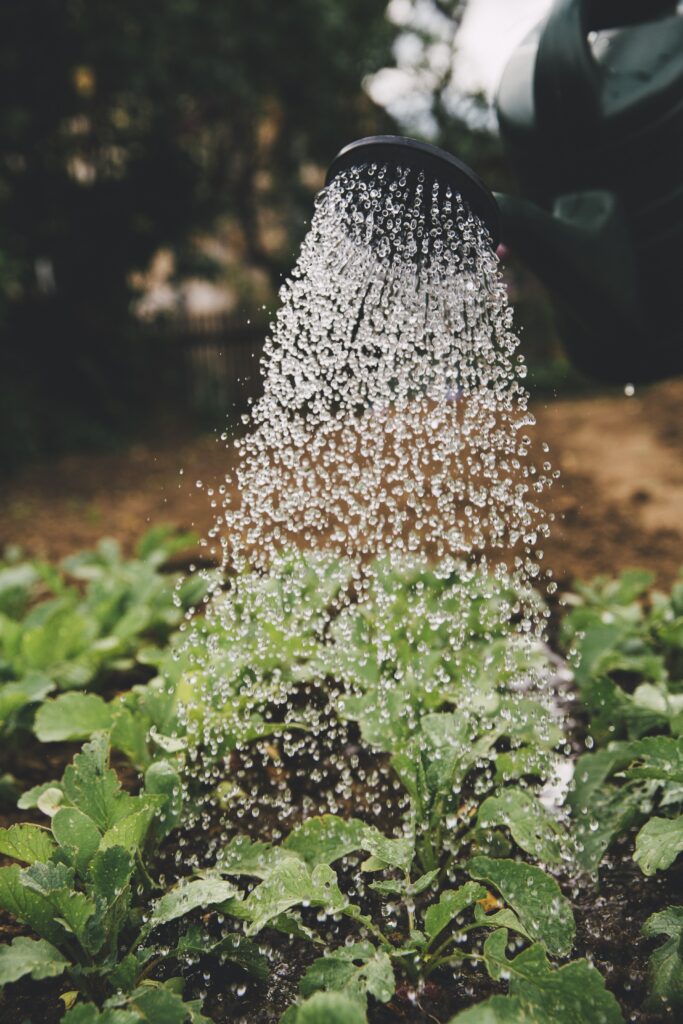
Regular watering is crucial during the hot summer months. Deep, infrequent watering encourages deep root growth and reduces surface evaporation. Water your plants thoroughly, focusing on the root zone, rather than sprinkling the foliage. Early morning or late evening watering is preferable to avoid excessive evaporation.
Monitor and manage weeds regularly to prevent them from taking over your garden. Weed early and often, removing weeds by hand or using appropriate tools to prevent them from going to seed. Mulching can help suppress weed growth and conserve soil moisture.
Monitor plants for signs of diseases or pest infestations, which can proliferate quickly in warm and humid conditions. Promptly treat affected plants or seek professional advice to prevent the spread of diseases or significant damage.
Deadheading spent flowers regularly encourages prolonged bloom and prevents energy wastage on seed production. Prune or trim any overgrown plant parts, such as long branches or wayward growth, to maintain the desired shape and neat appearance.
Continue fertilizing your plants as needed, considering their specific nutrient requirements and growth stage. Proper fertilization promotes healthy growth, flowering, and overall vigor.
During the summer, it’s important to stay vigilant and attentive to your garden’s needs. By addressing maintenance tasks promptly, you can ensure a thriving and visually appealing garden throughout the season.
Environmental Considerations
Promoting an environmentally friendly approach to lawn and garden maintenance is not only beneficial for the planet but also contributes to the overall health and well-being of your plants and outdoor ecosystem. Conserving water and energy, using organic and eco-friendly products, and attracting beneficial wildlife are all important considerations.
Conserving Water and Energy
Water is a precious resource, and conserving it is crucial for a sustainable garden. Implementing water-wise practices can help reduce water consumption, save money on water bills, and minimize environmental impact.
Water your plants deeply and infrequently, allowing the soil to dry out between waterings. Use drip irrigation or soaker hoses to deliver water directly to the root zone, minimizing evaporation and runoff. Consider installing a rainwater harvesting system to collect and reuse rainwater for watering plants.
Avoid watering during the hottest part of the day, as excessive heat can result in rapid evaporation and water wastage. Instead, water in the early morning or late evening when temperatures are cooler and there is less wind.
Choose drought-tolerant plants that are well-suited to your climate and require less water. Group plants with similar water needs together, creating “hydrozones” in your garden. This allows for more targeted watering and prevents water wastage on plants with lower water requirements.
Energy conservation is another important aspect of sustainable garden maintenance. Use manual tools, such as push mowers or hand pruners, whenever possible to reduce reliance on fossil-fuel-powered equipment. Opt for solar-powered outdoor lighting or energy-efficient bulbs to minimize energy consumption. Limit the use of artificial heat sources in greenhouses or grow lights, utilizing natural sunlight whenever possible.
Using Organic and Eco-Friendly Products
Reducing the use of synthetic chemicals and opting for organic and eco-friendly alternatives is not only beneficial for the environment but also promotes the health and vitality of your plants and soil.
Choose organic fertilizers derived from natural sources, such as compost, manure, or plant-based amendments. These products release nutrients slowly, improve soil fertility, and support beneficial microorganisms in the soil.
Minimize the use of synthetic pesticides and herbicides, which can harm beneficial insects, wildlife, and water sources. Instead, utilize organic pest control methods, such as manual removal, companion planting, or introducing natural predators. For more challenging pest problems, consider targeted and judicious use of eco-friendly products approved for organic gardening.
When purchasing gardening products, look for organic certifications, third-party labels, or eco-friendly designations. These indicate that the product has met specific criteria for environmental sustainability and safety.
Attracting Beneficial Wildlife
Encouraging beneficial wildlife in your garden can help control pests naturally and promote a balanced and biodiverse outdoor ecosystem. Beneficial insects, birds, pollinators, and other wildlife play key roles in maintaining a healthy garden.
Plant native species that provide food, shelter, and habitat for beneficial wildlife. Native plants typically have co-evolved with local wildlife and offer ideal food sources, nectar, or host plants for beneficial insects and pollinators. Incorporate a variety of flowers, shrubs, and trees that bloom at different times to attract and support a diverse range of wildlife throughout the year.
Avoid the use of broad-spectrum pesticides that can harm beneficial insects, such as bees and butterflies. Provide a water source, such as a birdbath or shallow dish, for birds and pollinators to drink from and bathe.
Consider installing birdhouses, bat boxes, or insect hotels to provide nesting sites for beneficial wildlife. Create diverse and layered habitats, incorporating native grasses, low-growing ground covers, and mature trees and shrubs to accommodate a variety of species.
By creating a welcoming and wildlife-friendly garden, you can establish a balanced ecosystem that ensures natural pest control and enhances the overall health and beauty of your outdoor space.
In conclusion, lawn and garden maintenance requires careful consideration and implementation of various techniques and best practices. Start by choosing the right plants and grass that are native and well-suited to your local climate and soil conditions. Understand the watering needs of your plants and install an efficient irrigation system, such as drip irrigation, to conserve water. Regularly mow and edge your lawn using the appropriate tools and techniques for a clean and polished look. Implement weed control strategies, using organic methods whenever possible, to prevent weed competition. Fertilize your plants based on soil test results and choose the right fertilizer for their specific nutrient requirements. Manage pests and diseases using integrated pest management strategies and vigilant monitoring. Create a composting system to recycle organic waste and improve soil health. Prune and trim your plants following proper techniques to promote healthy growth and maintain attractive shapes. Perform seasonal cleanup and maintenance tasks to prepare your garden for winter, clean up in spring, and maintain in summer. Lastly, prioritize environmental considerations by conserving water and energy, utilizing organic and eco-friendly products, and attracting beneficial wildlife to your garden. By incorporating these practices into your lawn and garden maintenance routine, you can create a beautiful, thriving, and sustainable outdoor space.