

You’re about to embark on a journey to transform your outdoor space into a charming oasis of nature. In this article, you’ll find a collection of 10 essential landscape gardening tips that will guide you towards creating a stunning and rejuvenating environment. From selecting the right plants to mastering the art of hardscaping, these tips will equip you with the necessary knowledge to craft a picturesque landscape that will leave your neighbors in awe. Whether you’re a seasoned gardener or just starting out, these tips will help you elevate your outdoor space to new heights.
Choosing the Right Plants
When it comes to choosing the right plants for your garden, there are several factors to consider. First and foremost, you need to take into account the climate and soil conditions in your area. Some plants thrive in hot, dry climates, while others prefer cooler, more moist environments. Understanding the specific needs of different plants will help you make the best choices for your garden.
Additionally, it’s important to determine the purpose of your garden. Are you looking to create a tranquil space for relaxation and meditation, or do you want to grow your own vegetables and herbs? The purpose of your garden will dictate the types of plants you should select. For example, if you want to attract pollinators like butterflies and bees, you’ll want to choose plants that are known for their vibrant flowers and nectar.
Another crucial factor to consider is selecting plants that thrive in your region. Native plants are often a great choice because they are adapted to the local climate and soil conditions. They require less maintenance and are more likely to thrive in your garden. Research plants that are known to do well in your area and take note of their specific requirements.
Finally, it’s important to choose a mix of annuals and perennials. Annuals are plants that complete their life cycle in one growing season, while perennials come back year after year. By incorporating both types of plants into your garden, you can enjoy a variety of colors and blooms throughout the year.
Creating a Layout and Design
Once you’ve chosen the right plants for your garden, it’s time to think about creating a layout and design that suits your space and personal preferences. Consider the size and shape of your garden, as well as any existing structures or features that you want to incorporate.
One important aspect of layout design is creating focal points and focal areas. Focal points are elements that draw the eye and create a sense of visual interest. This could be a beautiful flowering tree, a decorative statue, or a captivating water feature. Focal areas, on the other hand, are spaces within your garden that are designed to be enjoyed up close. These areas may include seating areas, pergolas, or even a vegetable garden.
Color and texture are also key elements to consider when designing your garden. Choose plants and flowers that complement each other and create a harmonious color palette. Think about how different plants will look side by side and how their textures will add depth and interest to your garden.
Finally, think about the overall style and theme of your garden. Do you prefer a formal, symmetrical design, or are you more drawn to a casual, cottage-style garden? Consider the architectural style of your home and the surrounding landscape when making these decisions.

Preparing the Soil
One of the most important steps in creating a successful garden is preparing the soil. Before planting, it’s essential to test the soil pH to determine its acidity or alkalinity. Many plants have specific pH requirements, so this information will help you make any necessary adjustments.
Amending the soil with organic matter is another important step. This can improve the soil structure, drainage, and nutrient content. Organic matter can include compost, well-rotted manure, or peat moss. Work the amendments evenly into the soil to ensure they are well distributed.
Before planting, it’s also important to remove weeds and grass from the area. These unwanted plants can compete with your desired plants for nutrients and water. Use a garden hoe or a weed puller to remove weeds and their roots.
To ensure that the soil is loose and well-drained, use a rake or tiller to break up any compacted soil. This will create a better environment for the roots of your plants to grow and thrive.
Proper Planting Techniques
Knowing how to plant your chosen plants correctly is crucial for their success. Dig the planting holes to accommodate the size of the root ball or container. The holes should be wider and slightly shallower than the root ball.
When placing the plant in the hole, make sure it is at the appropriate depth. The top of the root ball should be level with or slightly above the soil surface. Backfill the hole with soil, gently firming it around the plant’s roots.
After planting, be sure to water the plants thoroughly. This will help settle the soil and provide much-needed hydration to the roots. Keep a close eye on the moisture levels of the soil and water as needed.
To protect your plants and conserve moisture, apply a layer of mulch around the base. This can be organic material such as wood chips, shredded bark, or straw. Mulch helps regulate soil temperature, reduce weed growth, and retain moisture.
Watering and Irrigation
Watering your garden properly is essential for the health and growth of your plants. Different plants have different watering needs, so it’s important to consider these requirements when planning your watering schedule.
In general, it’s best to water deeply and infrequently. This encourages deeper root growth and helps plants become more resilient to dry conditions. Avoid watering lightly and frequently, as this can lead to shallow root growth and weak plants.
Using mulch around the base of your plants can help retain moisture in the soil. Mulch acts as a barrier, preventing evaporation and maintaining a more consistent soil moisture level. Be careful not to pile mulch too close to the stems of plants, as this can create a haven for pests and diseases.
Consider installing a drip irrigation system in your garden. This type of system delivers water directly to the base of plants, minimizing water waste and ensuring that the roots receive adequate hydration. Drip irrigation can also save you time and effort compared to traditional watering methods.
Fertilizing the Garden
Understanding the nutrient needs of your plants is essential for their overall health and vitality. Different plants require different types and amounts of fertilizer, so it’s important to do your research.
Choose a fertilizer that is appropriate for the specific needs of your plants. This could include a balanced fertilizer for general use, or a specialized fertilizer for specific plant types (such as roses or vegetables). Follow the instructions on the fertilizer package carefully to ensure proper application.
Timing is also key when it comes to fertilizing your garden. Apply fertilizer at the appropriate times in the plant’s growth cycle. This typically means fertilizing in early spring to promote healthy growth, and again in late summer or early fall to prepare plants for the coming winter.
Be cautious not to over-fertilize, as this can lead to nutrient imbalances and even damage to your plants. Always follow the recommended dosage and avoid excessive applications.

Pruning and Trimming
Pruning and trimming are important tasks that help promote healthy growth and maintain the desired shape and size of your plants. Regular pruning can remove dead or diseased branches, improve air circulation, and stimulate new growth.
When pruning, make sure to use clean and sharp tools to minimize damage to the plant. Cut branches at a 45-degree angle just above a bud or lateral branch. This will encourage proper healing and discourage the growth of new, weak branches.
Trim back overgrown shrubs and hedges to maintain their shape and prevent them from taking over your garden. It’s important to be mindful of the specific pruning requirements of each plant, as some may flower on old wood and should only be pruned after flowering.
A neat and tidy appearance can be achieved by shaping plants through strategic pruning. This can be done to create formal hedges, topiaries, or any desired shape. Remember to step back and observe the overall effect as you prune, ensuring that the desired shape and size are achieved.
Controlling Weeds and Pests
Weeds can be a nuisance in any garden, but it’s important to control them using organic methods to minimize harm to your plants and the environment. Pulling weeds by hand is one effective method, especially when done regularly before they have a chance to go to seed.
Another effective way to control weeds is to use mulch. Apply a layer of mulch around your plants to suppress weed growth and minimize competition for nutrients and water. Mulch also serves as a barrier that prevents sunlight from reaching weed seeds, preventing them from germinating.
Pests can also pose a challenge in the garden. Monitor your plants regularly for signs of pest damage, such as chewed leaves or wilting. If necessary, apply appropriate treatments such as insecticidal soaps or organic pest control products.
Encouraging beneficial insects and birds can also help control pests naturally. Plant flowers and herbs that attract pollinators and predatory insects, such as ladybugs and lacewings. Provide bird feeders, bird baths, and nesting boxes to attract birds that will help keep pest populations in check.

Maintaining a Healthy Lawn
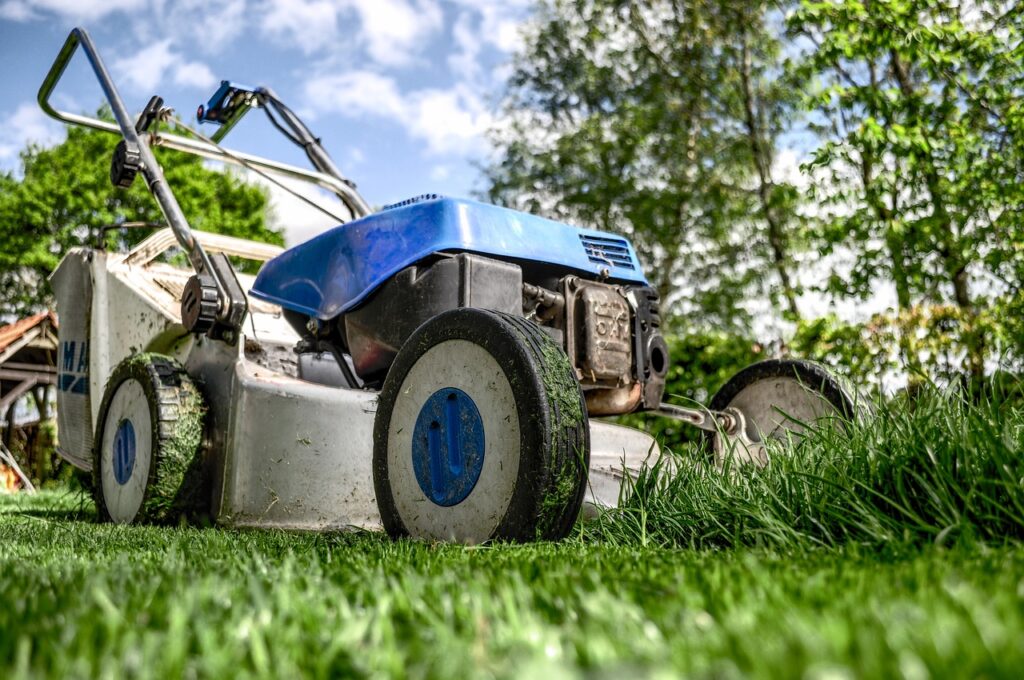
If you have a lawn in your garden, there are specific maintenance tasks that will keep it looking lush and healthy. Mowing your lawn at the correct height is essential. Different grass types have different height requirements, so be sure to research the specific needs of your grass.
Water your lawn deeply and infrequently to encourage deep root growth. This will make your lawn more resilient to drought conditions. Avoid overwatering, as this can lead to shallow root growth and a weak lawn.
Aerating the soil is another important task for lawn maintenance. This involves creating small holes in the soil to improve drainage and allow nutrients to reach the grass roots. There are various tools available for aerating, including manual tools and machines. Choose the method that works best for your lawn size and budget.
Apply lawn fertilizer and weed control products as needed, following the instructions on the packaging. Choosing the right type of fertilizer and applying it at the appropriate times will help keep your lawn healthy and weed-free. Be cautious not to over-fertilize or use excessive amounts of weed control products, as this can damage your lawn and harm the environment.
Adding Finishing Touches
To complete the look of your garden, consider adding some finishing touches that will enhance its overall beauty and appeal. Landscape lighting can create a magical ambiance, especially during the evening hours. Install lights strategically to highlight focal points, pathways, and seating areas.
Include seating areas or outdoor furniture to provide a place for relaxation and enjoyment of your garden. This could be a simple bench, a cozy outdoor dining set, or even a hammock for lounging on lazy summer days.
Decorative elements like statues, fountains, or birdbaths can add a touch of elegance and charm to your garden. Choose pieces that reflect your personal style and complement the overall theme of your garden.
Enhance the garden with container plants. These can be placed strategically throughout your garden to add pops of color and texture. Container plants also provide the flexibility to easily change and update your garden’s look throughout the seasons.
By following these tips and investing time and effort into your garden, you can create a beautiful and thriving outdoor space that brings joy and tranquility to your life. Enjoy the process of gardening and reap the rewards of a flourishing landscape.
