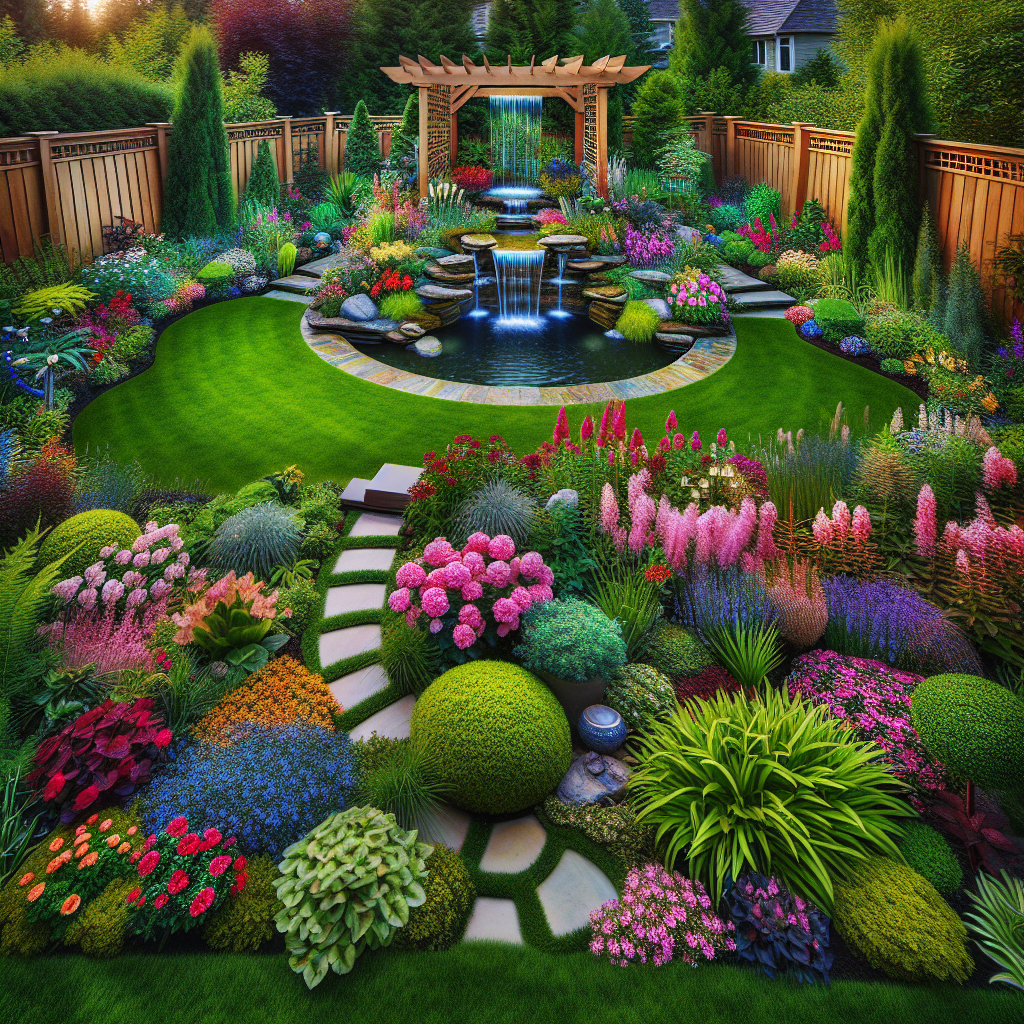
Transform Your Backyard with Landscape Gardening Ideas. Welcome to The Write Gardener, a comprehensive news and information website dedicated to all things landscape gardening. Our platform offers a wealth of resources, carefully curated by experienced horticulturists and gardening enthusiasts, to help both amateurs and professionals create stunning gardens. From inspiring garden designs to essential landscaping techniques, we cover all aspects of landscape gardening. Join our community today to exchange ideas, seek advice, and unleash your creativity in creating a garden that reflects your style and contributes to sustainable landscaping practices. Let The Write Gardener be your guide on your landscape gardening adventure and dive into a world of green beauty.
1. Creating the Perfect Garden Design
1.1 Choosing a Theme
When designing your garden, it’s essential to start by choosing a theme. A theme will bring cohesion and harmony to your outdoor space, creating a visually appealing and inviting atmosphere. Consider your personal style and preferences, as well as the architecture and surrounding environment of your home. Whether you prefer a formal, English cottage, tropical, or minimalist theme, make sure it aligns with your vision and the overall aesthetic you wish to achieve.
1.2 Planning the Layout
After selecting a theme, it’s time to plan the layout of your garden. Think about how you want to utilize the available space and create functional areas for various activities. Consider factors like seating areas, pathways, and focal points. It’s essential to strike a balance between open spaces and planted areas to create visual interest and a sense of proportion. Sketch out your garden design on paper or utilize landscape design software to visualize your ideas accurately.
1.3 Incorporating Outdoor Structures
Outdoor structures can add architectural interest and functionality to your garden. Consider incorporating structures like pergolas, gazebos, or arbors. These structures not only provide shade but also serve as focal points in your garden. Additionally, they can be adorned with climbing plants to add texture and depth to your outdoor space. When selecting outdoor structures, ensure they complement your chosen theme and harmonize with the overall design of your garden.
1.4 Utilizing Vertical Spaces
Make the most of your garden by utilizing vertical spaces for an added dimension to your design. Vertical gardening involves growing plants on walls, fences, or trellises, creating a lush and eye-catching display. This technique is especially useful in small gardens, as it maximizes the use of limited space. Choose climbing plants like ivy, jasmine, or roses that will thrive in vertical settings. Vertical gardening not only adds visual interest but also provides privacy and shade in your outdoor oasis.
2. Selecting Plants for Your Landscape
2.1 Understanding Soil and Climate Conditions
Before selecting plants for your landscape, it’s crucial to understand the soil and climate conditions in your area. Different plants have specific soil and climate requirements, and choosing the right ones will ensure their long-term success. Conduct a soil test to determine the pH level, fertility, and drainage of your soil. Research the ideal growing conditions for your chosen plants, including sunlight exposure and water requirements. By understanding these factors, you can select plants that will thrive in your garden.
2.2 Choosing the Right Plants for Your Space
When selecting plants for your landscape, consider factors such as plant height, spread, and growth rate. These characteristics will determine how well they fit into your overall garden design and how they interact with adjacent plants. Choose a variety of plants with different textures, shapes, and colors to create visual interest and a balanced aesthetic. Additionally, consider the maintenance requirements of each plant to ensure they can be adequately cared for in your garden.
2.3 Incorporating Native Plants
Incorporating native plants into your garden design has numerous benefits. Native plants are adapted to the local climate, making them more resistant to pests and diseases. They also provide habitat and food for native wildlife, contributing to a healthy and balanced ecosystem. Native plants require less water and maintenance, making them an excellent choice for sustainable landscaping practices. Research the native plants in your area and explore ways to incorporate them into your garden design.
2.4 Creating a Colorful and Balanced Plant Palette
Creating a colorful and balanced plant palette is crucial to achieving a visually stunning garden design. Choose a variety of plants that bloom at different times throughout the year to ensure constant color and interest. Consider the color wheel and complementary colors when selecting plants to create a harmonious and balanced color scheme. Additionally, pay attention to leaf textures and shapes to add depth and contrast to your garden. Experiment with different combinations and variations to achieve your desired aesthetic.

3. Enhancing Your Garden with Hardscaping
3.1 Adding Paths and Walkways
Paths and walkways can add structure and functionality to your garden design. They guide visitors through your garden and create a sense of flow and direction. Choose materials that complement your chosen theme, such as natural stone, gravel, or brick. Consider the width and placement of your paths to ensure ease of movement and accessibility for everyone. Moreover, incorporate curves and bends to add visual interest and soften the overall design.
3.2 Installing Patios and Decks
Patios and decks serve as outdoor living spaces where you can relax, entertain, and enjoy your garden. When selecting materials for your patio or deck, consider factors like durability, slip resistance, and maintenance requirements. Popular options include natural stone, concrete pavers, or composite decking. Additionally, think about the size and layout of your outdoor living area, taking into account furniture placement and traffic flow.
3.3 Introducing Garden Fountains and Water Features
Garden fountains and water features can add a soothing and tranquil ambiance to your outdoor space. The sound of flowing water creates a sense of calm and serenity, while the visual aspect adds beauty and elegance. Consider the size and scale of your garden when selecting a fountain or water feature, ensuring it fits harmoniously with the overall design. Additionally, think about the placement and circulation of water to create a focal point and enhance the overall aesthetic.
3.4 Utilizing Outdoor Lighting
Outdoor lighting not only enhances the safety and functionality of your garden but also adds a magical ambiance after the sun goes down. Consider different lighting techniques, such as uplighting, downlighting, and backlighting, to highlight specific features and create a dramatic effect. Choose energy-efficient options, such as LED lights, to minimize energy consumption and reduce maintenance. Additionally, think about the placement and intensity of the lights to create a warm and inviting atmosphere in your garden.
4. Creating Functional Outdoor Living Spaces
4.1 Designing a Relaxing Patio Area
Designing a relaxing patio area allows you to enjoy the beauty of your garden while providing a comfortable and inviting space for relaxation. Consider incorporating comfortable seating, such as lounge chairs or outdoor sofas, and add decorative elements like cushions and throws for additional comfort. Incorporate shade elements like umbrellas or pergolas to protect yourself from the sun during hot summer days. Finally, add potted plants and accessories to create a cozy and welcoming atmosphere.
4.2 Building a Cozy Fire Pit
A cozy fire pit creates a gathering spot in your garden, perfect for chilly evenings and socializing with friends and family. Choose a fire pit design that complements your overall garden aesthetic, whether it’s rustic, modern, or traditional. Consider materials like stone, brick, or metal for your fire pit, ensuring they can withstand high temperatures. Provide ample seating around the fire pit, such as comfortable chairs or built-in benches, to create a cozy and inviting space.
4.3 Incorporating Outdoor Kitchens
Outdoor kitchens are a popular trend in landscape gardening, allowing you to prepare and enjoy meals in your garden. Incorporate elements like a grill, countertops, sink, and storage to create a functional cooking area. Consider the layout and flow of your outdoor kitchen, ensuring it integrates seamlessly with your patio or deck. Choose durable and weather-resistant materials like stainless steel or stone to withstand outdoor conditions. An outdoor kitchen not only adds functionality but also creates a social and entertaining focal point in your garden.
4.4 Creating Play Areas for Kids
If you have children, creating play areas in your garden is a great way to encourage outdoor play and imagination. Designate a space for swings, slides, or a playhouse, ensuring it is safe and age-appropriate. Consider using materials like rubber mulch or artificial turf to provide a soft and cushioned surface. Additionally, incorporate sensory elements like sand or water play tables, musical instruments, or a butterfly garden to engage children’s senses and foster a love for nature.
5. Implementing Creative Planting Techniques
5.1 Layering Plants for Visual Interest
Layering plants is a creative technique that adds depth and visual interest to your garden design. Start with taller trees or shrubs as the backdrop, then layer in medium-sized plants, and finally, add groundcovers and low-growing plants as the foreground. This technique creates a sense of depth and mimics the natural layering found in forests or meadows. Consider using plants with different textures, colors, and bloom times to create a visually stunning and dynamic garden.
5.2 Creating Vertical Gardens
Vertical gardening is an innovative way to maximize space and create a lush and vibrant display. Utilize walls, fences, or trellises to grow climbing plants like ivy, jasmine, or roses. Place hanging baskets or vertical planters on fences or walls for additional greenery. Vertical gardens add texture and interest to blank surfaces and are especially beneficial in small gardens with limited space. They can also have functional purposes, such as providing privacy or shade.
5.3 Using Container Gardening
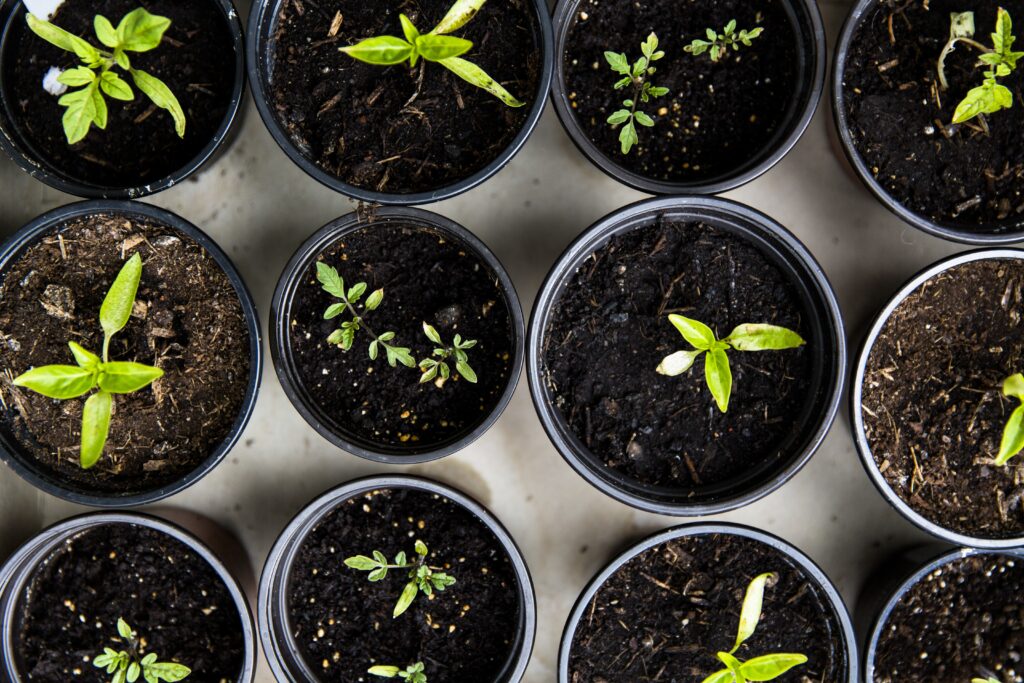
Container gardening is a versatile technique that allows you to create movable gardens and add greenery to any area, regardless of the soil condition. Select containers of different sizes, shapes, and materials to suit your garden style. Use a high-quality potting mix and choose plants that are suitable for container gardening, considering their growth habits and water requirements. Container gardens are perfect for patios, balconies, or small outdoor spaces and can be easily rearranged to modify your garden’s layout.
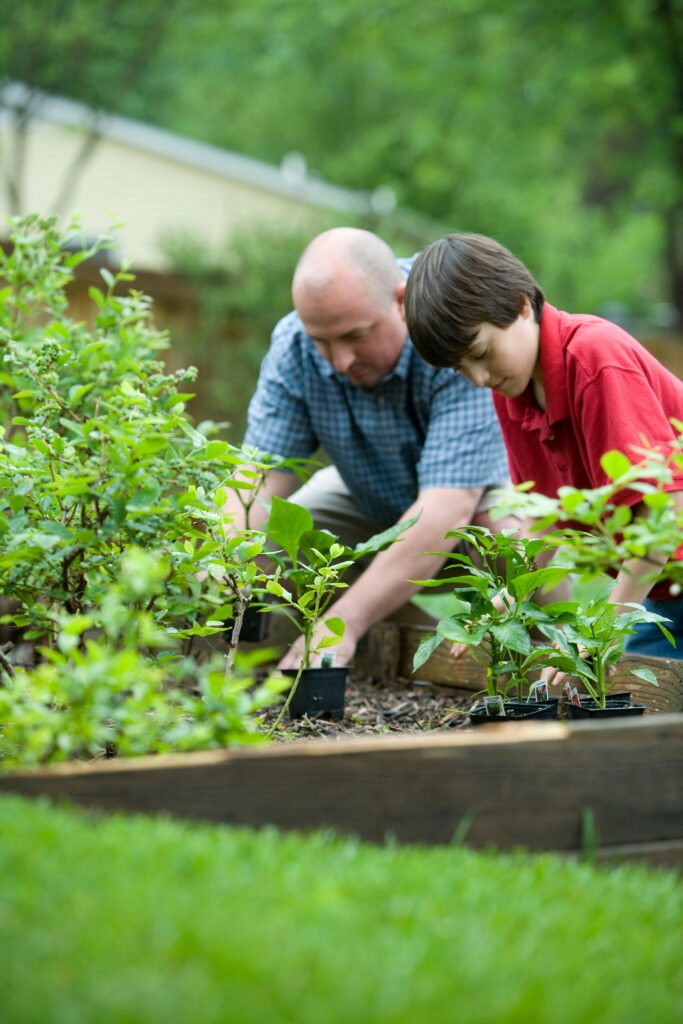
5.4 Incorporating Edible Plants
Incorporating edible plants into your garden not only adds beauty but also provides a source of fresh and organic food. Consider creating a dedicated vegetable garden or integrate edible plants into existing flower beds. Research the ideal growing conditions and care requirements for different edible plants, considering factors like sunlight, water, and soil quality. The combination of ornamental and edible plants creates a beautiful and functional garden that nourishes both your body and soul.
6. Maintaining Your Landscape Garden
6.1 Proper Watering and Irrigation
Proper watering and irrigation are essential for maintaining a healthy and thriving landscape. Different plants have different water requirements, so it’s important to understand the needs of each plant in your garden. Consider installing an irrigation system that can automate watering based on specific schedules and plant needs. Monitor the moisture levels of your soil regularly and adjust watering accordingly, ensuring plants receive adequate hydration without overwatering.
6.2 Pruning and Trimming
Regular pruning and trimming are necessary to keep your garden plants in optimal health and shape. Prune dead or diseased branches to prevent the spread of pathogens and promote new growth. Additionally, trim back overgrown plants to maintain their desired size and shape. Use sharp and clean pruning tools to make precise cuts, and be mindful of each plant’s specific pruning requirements to avoid damage or stunting their growth.
6.3 Weed Control and Pest Management
Weed control and pest management are crucial for maintaining the overall health and appearance of your landscape garden. Regularly inspect your garden for weeds, removing them promptly to prevent competition for resources and the spread of weed seeds. Use organic weed control methods such as mulch, hand-pulling, or vinegar-based herbicides to avoid harmful chemicals. Additionally, monitor your plants for pests and diseases and take appropriate measures to control and eliminate them, utilizing natural pest control methods whenever possible.
6.4 Soil Amendments and Fertilization
Soil amendments and fertilization are essential for providing essential nutrients to your garden plants. Conduct soil tests periodically to determine the nutrient levels and pH of your soil. Based on the results, add organic matter like compost or well-rotted manure to improve soil structure and fertility. Additionally, use organic fertilizers that provide a balanced mix of nutrients, ensuring they are suitable for the specific requirements of your plants. Regularly aerating and top-dressing your soil will further promote healthy plant growth and optimize soil conditions.
7. Embracing Sustainable Landscaping Practices
7.1 Conserving Water with Drought-Tolerant Plants
Conserving water is crucial for sustainable landscape gardening. Consider incorporating drought-tolerant plants that can thrive with minimal irrigation. These plants are adapted to arid climates and can withstand periods of limited rainfall. Research native and indigenous species that have naturally developed drought tolerance, as they are well-suited to your local climate and will require less water once established. Additionally, use water-efficient irrigation systems, such as drip irrigation, to minimize water wastage.
7.2 Implementing Rainwater Harvesting
Implementing rainwater harvesting in your garden is an excellent way to reduce water usage and promote sustainability. Install rain barrels or cisterns to collect rainwater from your roof, which can then be used for watering your plants. This not only reduces your reliance on municipal water sources but also minimizes runoff and erosion. Consider using the harvested rainwater for your edible plants, as it is free from chemicals like chlorine or fluorine found in tap water.
7.3 Using Organic and Natural Fertilizers
Using organic and natural fertilizers promotes sustainable gardening practices by avoiding the use of chemicals that can harm the environment and beneficial organisms. Organic fertilizers, such as compost or vermicompost, provide a slow and balanced release of nutrients, enriching the soil and supporting the growth of healthy plants. Additionally, consider using natural pest control methods like beneficial insects or companion planting to minimize the need for chemical pesticides.
7.4 Creating Habitat for Beneficial Wildlife
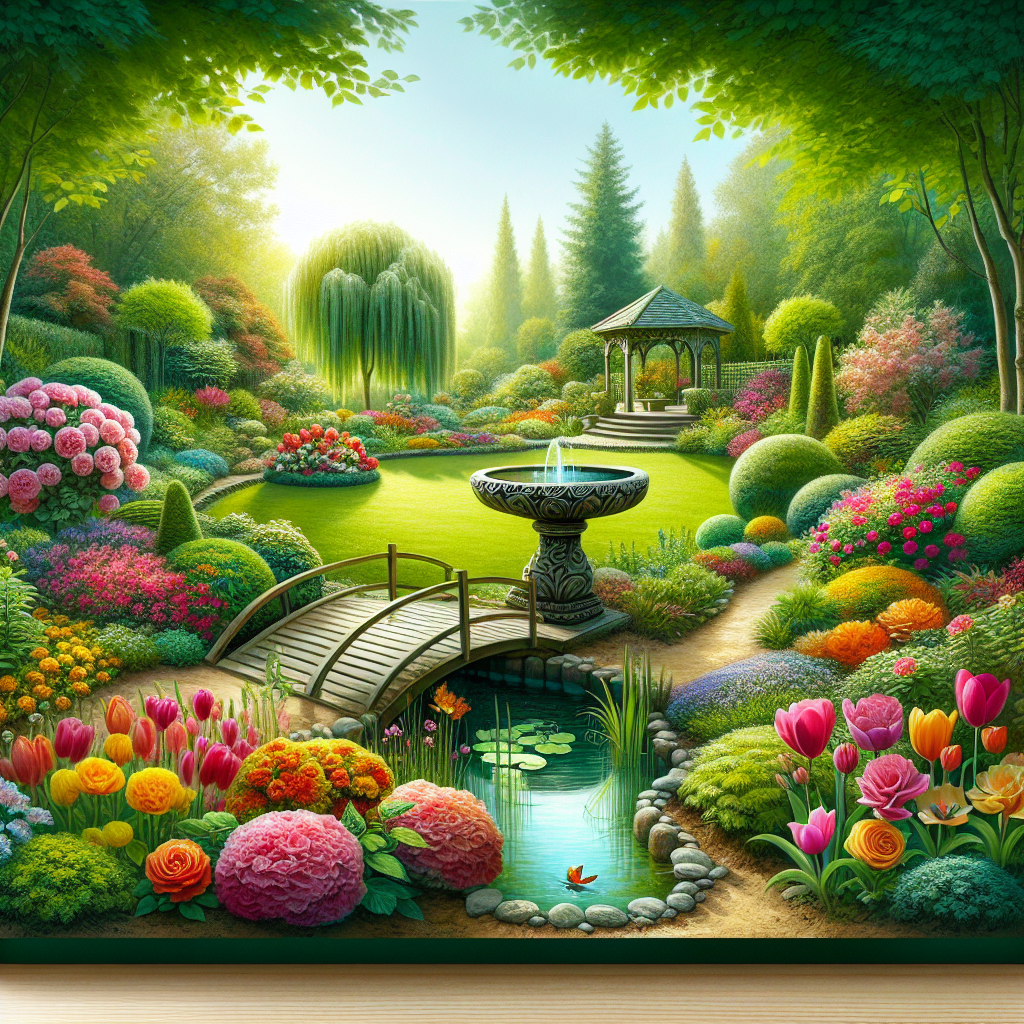
Creating habitat for beneficial wildlife is an integral part of sustainable landscaping. Encourage pollinators like bees and butterflies by planting nectar-rich flowers and providing shelter through plant diversity and native habitats. Install bird feeders, birdhouses, or birdbaths to attract and support a variety of bird species. Additionally, consider creating a small pond or water feature to provide a habitat for frogs, dragonflies, or other beneficial creatures. By welcoming wildlife into your garden, you contribute to the preservation of local ecosystems and create a balanced and thriving environment.
8. Incorporating Art and Decor in Your Garden
8.1 Choosing the Right Garden Sculptures and Statues
Garden sculptures and statues can add a touch of elegance and personality to your outdoor space. Choose pieces that complement your garden theme and design. Consider materials like stone, metal, or resin that can withstand outdoor conditions. Place sculptures strategically, creating focal points or enhancing specific areas of your garden. Whether it’s a classical statue, contemporary artwork, or whimsical garden gnome, the choice is yours to add artistic flair to your landscape.
8.2 Using Outdoor Art Installations
Outdoor art installations provide an opportunity to express your creativity and make a bold statement in your garden. Consider incorporating artwork such as mosaics, murals, or kinetic sculptures that interact with the natural elements and surroundings. Installations can be temporary or permanent, depending on your preference and the nature of the artwork. Outdoor art installations not only enhance the aesthetic appeal of your garden but also inspire contemplation and provoke thought.
8.3 Incorporating Colorful Mosaics and Tiles
Colorful mosaics and tiles can add vibrancy and intricacy to your garden design. They can be incorporated in various ways, such as on pathways, walls, or as decorative accents on furniture or planters. Choose mosaic designs and tile patterns that complement your overall garden aesthetic, whether it’s a traditional Mediterranean theme or a contemporary geometric design. Additionally, consider using recycled or repurposed materials for a sustainable and eco-friendly approach.
8.4 Adding Whimsical Garden Accessories
Whimsical garden accessories add charm and a sense of playfulness to your outdoor space. Consider incorporating items like wind chimes, fairy houses, or garden stakes with colorful designs. Use repurposed materials like old teapots, bikes, or boots to create unique and unconventional decorations. Whimsical garden accessories can reflect your personality and serve as conversation starters, making your garden a delight for both children and adults alike.
9. Designing a Low-Maintenance Landscape
9.1 Selecting Low-Maintenance Plants
Designing a low-maintenance landscape can save you time and effort in garden upkeep. Choose plants that require minimal pruning, deadheading, or staking. Native plants are often low-maintenance and well-adapted to local climate conditions. Additionally, consider using drought-tolerant plants that require less water and are more resilient to dry spells. Group plants with similar water and maintenance requirements together, making it easier to care for them efficiently.
9.2 Installing Automatic Irrigation Systems
Installing automatic irrigation systems can significantly reduce the time and effort required to water your garden. Drip irrigation or sprinkler systems can be programmed to deliver water at specific times and in precise amounts, ensuring plants receive adequate hydration without water wastage. Weather sensors can be integrated into the system to adjust watering schedules based on rainfall or temperature changes. Automatic irrigation systems promote efficient water usage and help maintain a healthy and thriving landscape.
9.3 Minimizing Lawn Areas
Minimizing lawn areas can reduce the time and resources required for lawn maintenance. Consider replacing large lawn areas with other landscape features such as flower beds, native meadows, or hardscaped spaces. Reduce the size of your lawn by adding pathways, seating areas, or planting beds. By doing so, you not only create more visually appealing and functional spaces but also conserve water and minimize the need for mowing and fertilization.
9.4 Using Mulch for Weed Suppression
Using mulch in your landscape is a simple and effective way to suppress weeds and reduce maintenance. Spread a layer of organic mulch, such as wood chips or bark, around your plants to smother weeds and retain soil moisture. Mulch also acts as a natural insulator, regulating soil temperature and reducing evaporation. Ensure the mulch layer is thick enough to provide adequate weed suppression but not too thick, as it may suffocate plant roots. Mulch not only minimizes weed competition but also enhances the overall aesthetics of your garden.
10. Finding Inspiration and Resources
10.1 Exploring Landscape Gardening Websites and Blogs
To find inspiration and valuable resources for landscape gardening, explore dedicated websites and blogs. The Write Gardener, for example, offers comprehensive articles and resources on various aspects of landscape gardening. These platforms provide a wealth of information, including design ideas, plant selections, maintenance tips, and the latest trends in the industry. By reading and engaging with these online resources, you can stay informed, expand your knowledge, and get inspired to create your dream garden.
10.2 Visiting Botanical Gardens and Public Parks
Visiting botanical gardens and public parks is an excellent way to immerse yourself in the beauty of landscape gardening. These spaces showcase a wide variety of plants, design concepts, and horticultural techniques. Take note of the plant combinations, color palettes, and arrangements that appeal to you. Pay attention to the use of space, focal points, and pathways. Think about how you can adapt and incorporate these elements into your own garden design to create a similar ambiance.
10.3 Attending Gardening Workshops and Conferences
Attending gardening workshops and conferences is an opportunity to learn directly from experienced professionals in the field. These events often cover a range of topics, from design principles and plant care to sustainable practices and maintenance techniques. Participating in hands-on workshops or listening to expert speakers can provide practical knowledge, inspiration, and guidance for your landscape gardening endeavors. Interacting with fellow gardeners and enthusiasts can also foster connections and create a network of support and exchange of ideas.
10.4 Utilizing Landscape Design Software
Landscape design software can be a useful tool to visualize and plan your garden design before implementation. These software programs allow you to create virtual landscapes, experiment with different layouts, and visualize the effects of various design elements. Utilize the features and resources provided by landscape design software to accurately depict your garden vision and make informed decisions about plant selections, outdoor structures, and hardscape materials. Play around with different options and variations to create the perfect garden design that reflects your style and preferences.
In conclusion, landscape gardening offers a world of possibilities for transforming your backyard into a tranquil oasis. By following the comprehensive guide provided in this article, you can create the perfect garden design, select the right plants for your landscape, enhance your outdoor space with hardscaping and functional living areas, implement creative planting techniques, maintain your garden effectively, embrace sustainable practices, incorporate art and decor, design a low-maintenance landscape, and find inspiration and resources to guide you on your landscape gardening journey. With The Write Gardener as your trusted resource, you can embark on a rewarding and fulfilling adventure in landscape gardening, creating a garden that reflects your style, nurtures your connection with nature, and brings joy and tranquility to your life.