
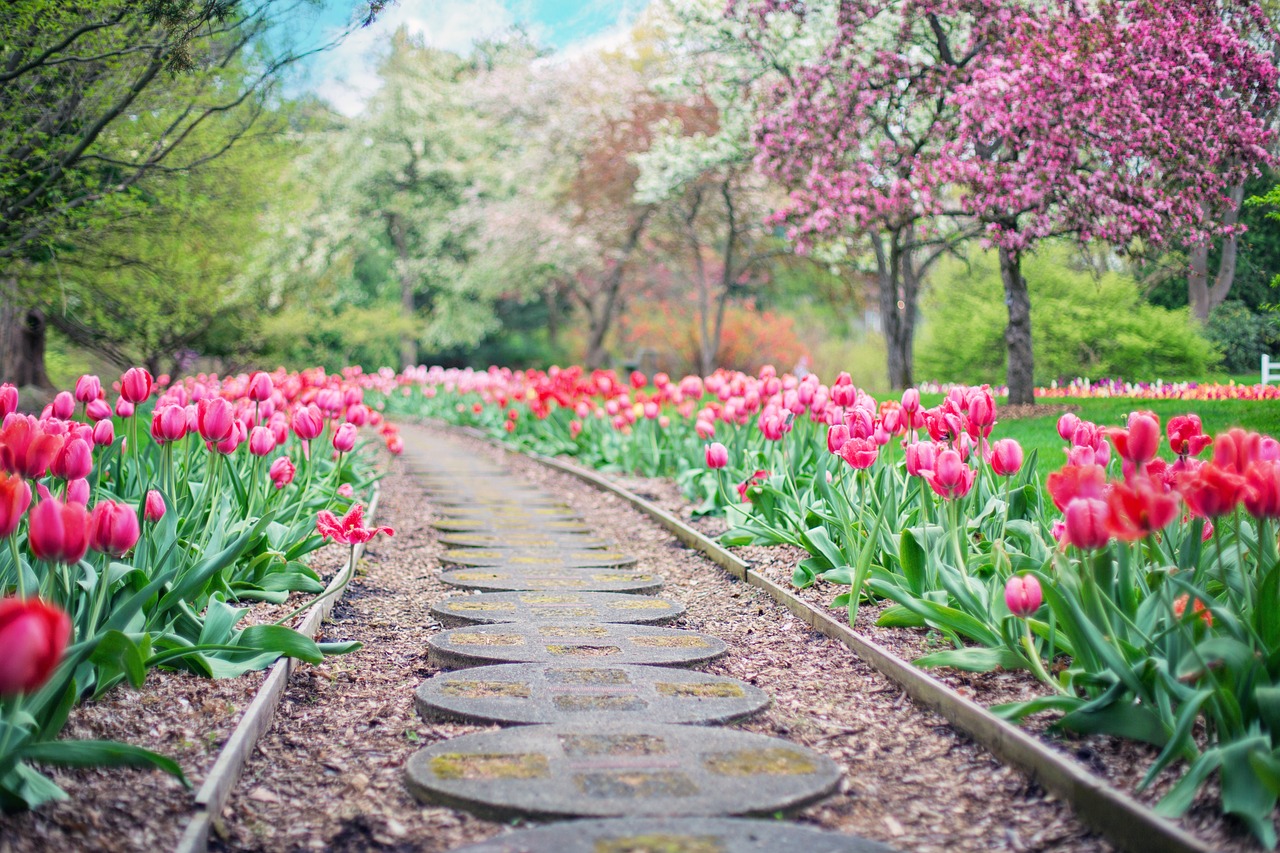
So you’ve always admired those beautiful gardens with carefully manicured lawns and vibrant flower beds, and now you’re curious about the art behind it all. Landscape gardening, as it turns out, is not just about planting some flowers and mowing the lawn. It’s a creative and strategic process that combines elements of design, horticulture, and even architecture. In this article, we’ll explore the meaning of landscape gardening and dive into the world of creating stunning outdoor spaces that not only please the eye but also enhance the overall well-being of those who experience them.
Exploring the Meaning of Landscape Gardening
When it comes to landscape gardening, it goes beyond simply planting a few flowers or mowing the lawn. It is a transformative process that involves designing and creating outdoor spaces that are not only aesthetically pleasing but also functional and sustainable. In this article, we will delve into the definition, historical background, influences, philosophy, benefits, types, elements, principles, sustainability, and future trends of landscape gardening.
Definition of Landscape Gardening
Landscape gardening is the art and science of designing and creating outdoor spaces that are visually appealing and harmonious. It involves the use of various elements such as plants, hardscape features, water features, sculptures, lighting, and furniture to enhance the overall aesthetics and functionality of the landscape. Unlike regular gardening, landscape gardening takes a broader approach and focuses on creating a cohesive and well-designed outdoor environment.
Key characteristics of landscape gardening include the careful selection and arrangement of plants, the incorporation of hardscape elements to add structure and definition, and the use of various design principles to create a balanced and harmonious landscape. It aims to create a space that is not only beautiful to look at but also suits the needs and preferences of the individual or community it serves.
Historical Background of Landscape Gardening
The origins of landscape gardening can be traced back to ancient civilizations such as the Babylonians, Egyptians, and Persians, who used gardens as a form of retreat and relaxation. However, it was during the Renaissance period in Europe that landscape gardening truly began to flourish. Influential figures such as André Le Nôtre, who designed the gardens of Versailles, and Capability Brown, known as the “father of landscape gardening,” revolutionized the field by creating grand and picturesque landscapes.
Over time, landscape gardening evolved alongside societal changes and advancements in technology. The rise of industrialization in the 19th century led to the creation of public parks and gardens, designed to provide green spaces for urban dwellers. Additionally, landscape architects and designers started to emerge as professionals in the field, bringing a more structured approach to landscape gardening.
Influences on Landscape Gardening
Landscape gardening has been influenced by various factors throughout history. Cultural influences play a significant role in shaping the design and style of landscapes. Different cultures have different approaches to gardens, whether it’s the intricacy and symbolism of Japanese gardens or the naturalistic and romantic style of English gardens.
Environmental factors also influence landscape gardening. The climate, topography, and natural features of a particular region can impact the choice of plants and design elements used in a landscape. Additionally, social factors such as the increasing need for green spaces in urban areas, as well as the desire for sustainability and conservation, have shaped the direction of landscape gardening.
Technological advancements have also made an impact on landscape gardening. The introduction of irrigation systems, outdoor lighting, and power tools has made it easier to maintain and enhance landscapes. Furthermore, digital tools and software enable landscape designers to create detailed and realistic visualizations of their designs, helping clients better understand the end result.

Philosophy behind Landscape Gardening
At the core of landscape gardening lies a philosophy that seeks to connect individuals with nature. By creating outdoor spaces that are visually appealing and harmonious, landscape gardening aims to provide a sense of tranquility and well-being. It emphasizes the importance of maintaining a balance between human intervention and the natural environment.
The philosophy behind landscape gardening also revolves around creating harmony and balance within the landscape. Through careful design and arrangement, landscape gardeners strive to achieve a sense of cohesion between various elements, such as plants, hardscape features, and water elements. This creates a space that is not only visually pleasing but also feels balanced and integrated with its surroundings.
Additionally, landscape gardening aims to enhance the beauty and aesthetics of its surroundings. By thoughtfully selecting and arranging plants, incorporating artistic elements such as sculptures, and utilizing lighting techniques, landscape gardeners create landscapes that are visually captivating and contribute to the overall ambiance of a space.
Benefits of Landscape Gardening
Landscape gardening offers numerous benefits to individuals, communities, and the environment. One of the most significant advantages is the positive impact on mental and physical well-being. Spending time in well-designed outdoor spaces has been proven to reduce stress, improve mood, and promote overall mental health. Additionally, engaging in gardening activities provides physical exercise and promotes a sense of accomplishment.
Another benefit of landscape gardening is the increase in property value. A beautifully landscaped property not only enhances its curb appeal but also creates a more desirable living environment. Potential buyers are often willing to pay more for properties with well-maintained landscapes, making landscape gardening a sound investment.
Landscape gardening also plays a crucial role in creating a sustainable environment. Through the use of native plants, water-efficient irrigation systems, and responsible management of resources, landscapes can be designed to minimize environmental impact and conserve water. Moreover, landscaping with native plants contributes to the preservation of biodiversity by providing habitats and food sources for local fauna.
In addition to these benefits, landscape gardening provides recreational spaces for individuals and communities to enjoy. Parks, gardens, and other landscaped areas serve as gathering places for social activities and events. They offer opportunities for people to connect with nature, relax, and engage in leisure activities, thus promoting community well-being.

Types of Landscape Gardening
Landscape gardening encompasses a wide range of styles and types, each with its own unique characteristics. Here are some of the most popular types of landscape gardening:
Formal Landscape Gardening:
Formal landscape gardening focuses on creating symmetrical and geometrically arranged outdoor spaces. It often features manicured lawns, neatly trimmed hedges, and precisely placed plants and flowers. The aim is to create a sense of order and elegance in the landscape.
Informal Landscape Gardening:
In contrast to formal landscape gardening, informal landscape gardening embraces a more relaxed and naturalistic style. It incorporates curving paths, irregularly shaped flower beds, and a mix of plant varieties to create a more casual and organic feel.
Japanese Landscape Gardening:
Japanese landscape gardening emphasizes tranquility, simplicity, and symbolism. It often includes elements such as water features, stone arrangements, and carefully pruned trees. The goal is to create a harmonious and peaceful space that reflects the principles of Zen Buddhism.
English Landscape Gardening:
English landscape gardening is characterized by its naturalistic and picturesque style. It seeks to mimic the beauty of the English countryside, featuring sweeping lawns, gently rolling hills, and diversely planted areas. This style often aims to create a sense of serenity and harmony with nature.
Xeriscaping:
Xeriscaping is a type of landscape gardening that focuses on water conservation. It utilizes drought-tolerant plants, efficient irrigation systems, and water-saving techniques to create a low-water landscape. Xeriscaping is particularly prevalent in arid and desert regions.
Tropical Landscape Gardening:
Tropical landscape gardening is characterized by its lush and vibrant vegetation. It often features exotic plants, colorful flowers, and large-leaved foliage. This style aims to evoke a tropical paradise and is commonly found in regions with a warm and humid climate.
Desert Landscape Gardening:
Desert landscape gardening embraces the unique beauty and challenges of arid environments. It incorporates cacti, succulents, and other drought-tolerant plants, as well as natural rock formations. This style focuses on creating a landscape that is both visually captivating and adapted to extreme desert conditions.
Rock Garden Landscape Gardening:
Rock garden landscape gardening centers around the use of rocks, stones, and boulders as the primary design elements. It often features a combination of different rock types, gravel pathways, and alpine plants. This style aims to create a miniature mountain or rocky terrain within the landscape.
Water Garden Landscape Gardening:
Water garden landscape gardening revolves around the inclusion of various water features such as ponds, waterfalls, or streams. It often incorporates aquatic plants, koi fish, and other water-loving species. This style creates a serene and tranquil atmosphere while providing habitat for aquatic life.
Elements of Landscape Gardening
Several elements come together to create a well-designed and visually pleasing landscape. These elements include:
Plants and Vegetation:
Plants and vegetation form the foundation of landscape gardening. They add color, texture, and life to the landscape. The selection and arrangement of plants should consider factors such as climate, soil conditions, and maintenance requirements.
Hardscape Elements:
Hardscape elements include non-living features such as pathways, patios, walls, and fences. These structures provide structure and define the layout of the landscape. Materials such as stone, brick, wood, and concrete are commonly used for hardscape features.
Water Features:
Water features such as ponds, fountains, and waterfalls add movement and sound to the landscape. They create a soothing and tranquil atmosphere, attracting wildlife and providing a focal point.
Sculptures and Art Installations:
Sculptures and art installations can serve as focal points or points of interest within the landscape. They add a unique and artistic dimension to the overall design.
Lighting:
Lighting plays a crucial role in landscape gardening. Properly placed lighting fixtures can highlight specific features, create ambiance, and extend the usability of outdoor spaces into the evening hours.
Furniture and Structures:
Furniture and structures such as benches, pergolas, and gazebos provide seating areas, shade, and shelter. They enhance the functionality and usability of outdoor spaces, allowing individuals to relax and enjoy the landscape.
Principles of Landscape Gardening
To achieve a well-designed and harmonious landscape, designers and gardeners follow certain principles. These principles help guide the layout and arrangement of elements within the landscape. Some of the key principles include:
Unity and Harmony:
Unity and harmony involve creating a sense of cohesion and consistency within the landscape. This can be achieved through the repetition of certain plant varieties, color schemes, or design elements.
Balance and Symmetry:
Balance refers to the distribution of visual weight within the landscape. It can be achieved through symmetrical arrangements or asymmetrical compositions that create a sense of equilibrium.
Proportion and Scale:
Proportion and scale involve the relationship between different elements within the landscape. It is important to consider the size and proportion of plants, structures, and hardscape features to create a visually pleasing composition.
Focal Points and Emphasis:
Focal points are elements within the landscape that draw attention and serve as visual anchors. The use of focal points helps create a sense of hierarchy and directs the viewer’s eye to specific areas of interest.
Transition and Flow:
Good landscape design should have a natural flow and transition between different areas. This can be achieved through the use of pathways, changes in elevation, or gradually transitioning plant varieties.
Functionality and Practicality:
Landscape gardening should not only be aesthetically pleasing but also functional and practical. The design should consider the intended use of the outdoor space and accommodate the needs of the individuals who will be using it.
Biodiversity and Sustainability:
Promoting biodiversity and sustainability is a key principle of landscape gardening. This can be achieved by incorporating native plants, using water-efficient irrigation systems, and creating habitats for local wildlife.
Sustainability in Landscape Gardening
Sustainability plays a vital role in modern landscape gardening practices. As climate change and resource depletion become more prominent issues, it is essential to design and maintain landscapes that minimize environmental impact.
Sustainable landscape gardening focuses on conserving resources, reducing water usage, and promoting biodiversity. This can be achieved through the use of native plants that are adapted to the local climate, implementing water-efficient irrigation systems, and employing responsible management practices such as composting and mulching.
Furthermore, sustainable landscape gardening encourages the use of organic and environmentally friendly gardening practices. This includes avoiding the use of synthetic fertilizers and pesticides, utilizing natural pest control methods, and practicing proper soil management techniques.
By adopting sustainable practices, landscape gardening not only contributes to the preservation of the environment but also creates healthier and more resilient landscapes that can adapt to changing climatic conditions.
Future Trends in Landscape Gardening
As society and technology evolve, so does the field of landscape gardening. Several future trends are expected to shape the industry:
Urban Landscape Gardening:
With the increasing urbanization of cities, the demand for green spaces is on the rise. Urban landscape gardening focuses on creating gardens and green areas within urban environments, providing residents with access to nature and promoting community well-being.
Smart Gardening Technology:
Advancements in technology have found their way into landscape gardening. Smart gardening technology, such as automated irrigation systems and sensor-based monitoring, allows for more efficient and precise resource management in landscapes.
Vertical Gardens:
Vertical gardens, also known as green walls, are becoming increasingly popular in urban areas with limited space. These gardens utilize vertical surfaces such as walls and fences to grow plants vertically, adding greenery to otherwise unused spaces.
Edible Landscaping:
Edible landscaping combines the aesthetic appeal of landscape gardening with the practicality of growing food. It involves incorporating edible plants, such as fruits, vegetables, and herbs, into the overall design of the landscape.
Green Roofs and Walls:
Green roofs and walls involve growing vegetation on the roofs or walls of buildings, bringing nature into urban environments and providing insulation. These features help reduce energy consumption, mitigate urban heat islands, and improve air quality.
As landscape gardening continues to evolve, these trends will play a significant role in shaping the future of the industry, promoting sustainable practices, and enhancing the urban landscape.
In conclusion, landscape gardening is a multifaceted and dynamic field that goes beyond traditional gardening practices. It encompasses a wide range of styles and approaches, influenced by cultural, environmental, social, and technological factors. Landscape gardening aims to create visually appealing and harmonious outdoor spaces while promoting mental and physical well-being, enhancing property value, and contributing to a sustainable environment. With its rich history, diverse range of types and elements, and adherence to design principles, landscape gardening continues to evolve and adapt to meet the needs of individuals, communities, and the environment.