
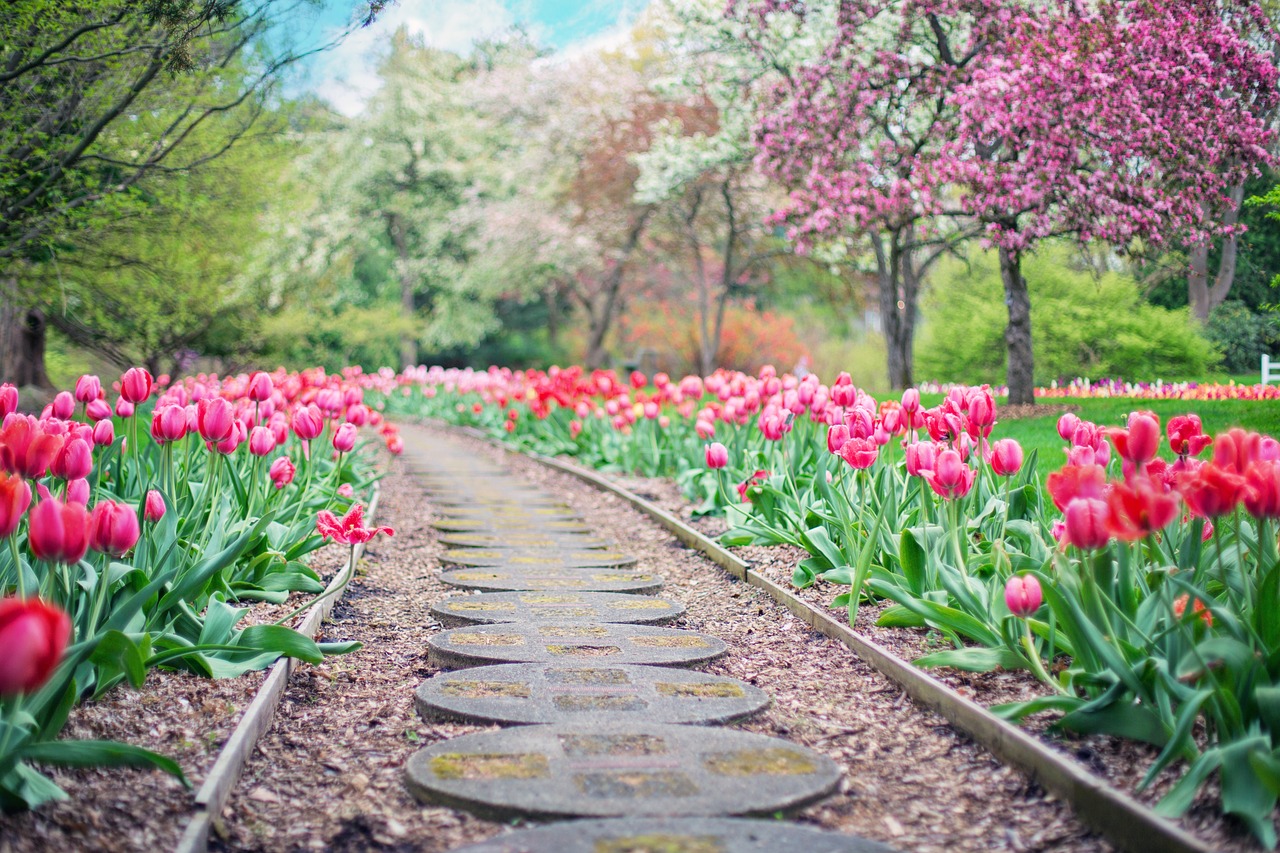
So, you’ve finally decided to transform your outdoor space into a stunning landscape garden. It’s a fantastic idea! But before you start digging up the soil and planting random flowers, it’s crucial to understand the principles that go into creating a beautiful landscape garden. From considering the focal points to selecting the right plants, this article will guide you through the key principles of landscape gardening, helping you create a mesmerizing outdoor oasis that will be the envy of the neighborhood.
Selection of Plants
When it comes to creating a beautiful landscape garden, one of the first things to consider is the selection of plants. It’s important to take into account the climate and soil conditions of your garden, as different plants thrive in different environments. Choosing plants that will thrive in your specific conditions will save you a lot of time and effort in the long run. Research the types of plants that are best suited for your area and make a list of options to choose from.
To create visual interest and variety in your garden, it’s important to choose plants in different sizes and shapes. This will add contrast and make your garden more visually appealing. For example, you can mix tall, slender plants with low, bushy ones, or combine plants with broad leaves with those that have delicate, intricate foliage. By incorporating a mix of evergreen and seasonal plants, you can ensure that your garden looks beautiful throughout the year.
Another important consideration when selecting plants is their maintenance requirements. Some plants require more care and attention than others, so it’s important to choose plants that align with the amount of time and effort you’re willing to invest in maintaining your garden. If you have a busy lifestyle and don’t have much time for gardening, opt for low-maintenance plants that still offer beauty and variety.
Color Scheme
The color scheme of your landscape garden plays a crucial role in creating a visually appealing and cohesive design. Choosing a cohesive color palette will ensure that your garden looks harmonious and well put together. Consider the overall mood you want to create in your garden and select colors that align with that vision.
It’s also important to consider the seasonal changes in color when selecting plants for your garden. Some plants may bloom with vibrant colors during certain seasons and fade into more subdued hues during other times of the year. By taking this into account, you can create a dynamic garden that changes with the seasons and offers a new visual experience throughout the year.
To create focal points and add visual interest, consider using bold and contrasting colors strategically. These pops of color can draw attention to specific areas or elements in your garden, creating a focal point that captures the viewer’s attention. Additionally, balancing warm and cool colors will contribute to a visually pleasing and well-balanced color scheme.
Feel free to experiment with different color combinations to find the ones that resonate with you the most. Play around with different shades, hues, and tones to create a garden that reflects your personal taste and style.
Layout and Design
The layout and design of your landscape garden are crucial factors in creating a visually appealing and functional space. Start by considering the natural features of your site, such as existing trees, slopes, or bodies of water. These elements can be incorporated into your design and serve as a foundation for creating a unique and harmonious garden.
To create a focal point or center of interest in your garden, choose an area that you want to draw attention to. This could be a striking plant, a water feature, or a sculpture. By placing a focal point strategically, you create a sense of balance and visual interest.
Lines and shapes are important tools in guiding the eye and creating a harmonious design. Straight lines can create a sense of order and structure, while curved lines can add a more organic and soft feel to your garden. Consider how different shapes and lines can be used to lead the viewer’s eye through your garden and create a sense of flow.
Balance and symmetry are key principles in landscape design. Creating a sense of balance by distributing visual weight evenly throughout your garden will make it visually pleasing and harmonious. Consider the scale and proportion of elements in your garden to ensure that they fit well together and create a cohesive and well-designed space.
Pathways and Walkways
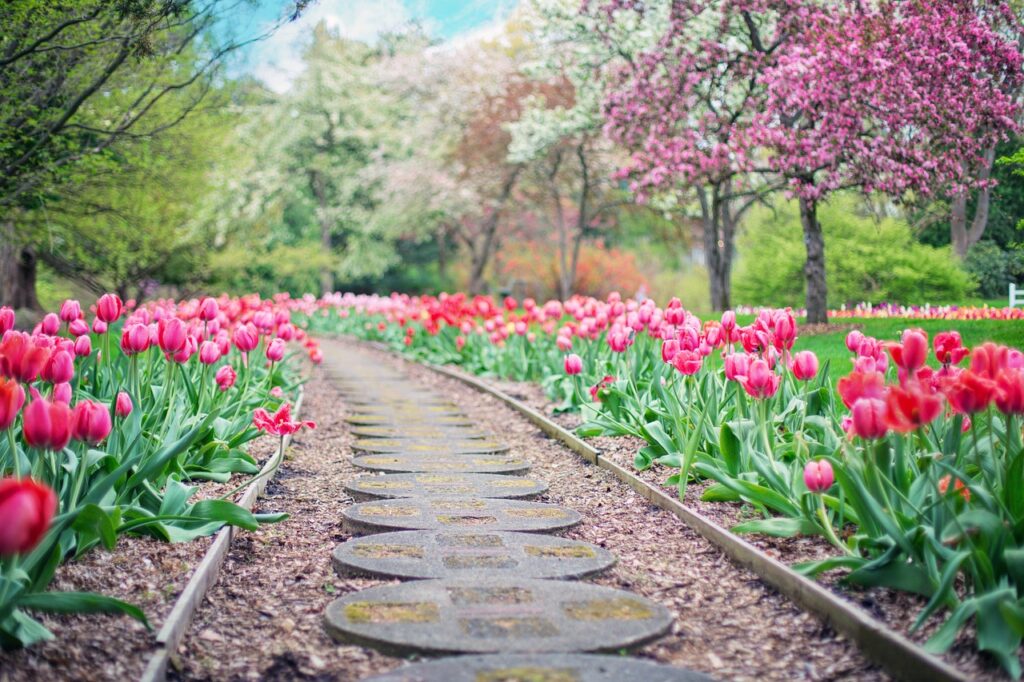
Pathways and walkways are not only functional but also play an important role in the overall design of your landscape garden. They guide visitors through your garden and create visual interest. When designing pathways, consider both their functionality and aesthetics.
The width and material of your paths should be well thought out. Wide paths allow for comfortable walking and accommodate multiple people, while narrow paths can create a more intimate and cozy feel. Choose materials that match the style of your garden and compliment the overall design. Materials like stone, gravel, or pavers can add texture and visual interest to your pathways.
Don’t be afraid to incorporate curves and bends into your pathways to add visual interest and create a sense of exploration in your garden. These curves can lead the viewer’s eye to different elements or focal points, making the garden more dynamic and engaging.
To further enhance the visual appeal of your paths, consider creating focal points along the way. This could be a seating area, a sculpture, or a cluster of vibrant plants. These focal points break up the path and create areas of interest for visitors to pause and appreciate.
Lastly, it’s important to consider accessibility for all users when designing your pathways. Ensure that your paths are wide and even enough for people with mobility aids, such as wheelchairs or strollers, to navigate comfortably.

Water Features
Water features can add a touch of serenity and beauty to your landscape garden. When selecting a water feature, it’s important to choose one that suits the style of your garden. Whether it’s a small, tranquil pond or a grand, cascading waterfall, make sure it complements your garden’s overall design aesthetic.
Consider the size and scale of your water feature in relation to the rest of your garden. A large water feature may overpower a small garden and create a sense of imbalance, while a tiny fountain may get lost in a sprawling landscape. Choose a size that fits well within your garden and enhances the overall design.
To create a focal point, position your water feature strategically. This could be at the center of your garden or in a place where it can be easily viewed and appreciated. By doing so, you create a sense of visual interest and draw attention to this captivating element.
Enhance the natural beauty of your water feature by adding plants and other elements around it. Water lilies, water irises, or floating plants can add color and texture, while rocks or decorative statues can provide visual interest and create a harmonious composition.
Proper maintenance and safety measures are essential when it comes to water features. Regularly clean and maintain your water feature to keep it in good condition and prevent any issues. Ensure that there are safety precautions in place, especially if you have children or pets, to avoid any accidents or mishaps.
Outdoor Furniture and Structures
Outdoor furniture and structures are not only functional but also add character and style to your landscape garden. When choosing furniture and structures, it’s important to consider how they complement the overall design and style of your garden.
Materials and durability are key factors to consider when selecting outdoor furniture. Look for materials that can withstand the elements and require minimal maintenance, such as metal, teak, or outdoor-specific fabrics. The durability of the furniture will ensure its longevity and save you from having to replace it frequently.
Creating designated seating areas in your garden is essential for relaxation and entertainment purposes. Whether it’s a comfortable lounge area or a cozy dining space, having a dedicated spot for outdoor activities will encourage you to spend more time in your garden and enjoy its beauty. Choose furniture that is both functional and comfortable, so you can fully appreciate your outdoor space.
Consider adding structures like pergolas, gazebos, or arbors to your landscape garden. These structures not only provide shade during hot summer days but also add visual interest and architectural charm. Whether you prefer a rustic wooden pergola or a modern metal structure, choose one that complements the style and design of your garden.
Functionality and comfort are important considerations when selecting outdoor furniture. Ensure that the furniture you choose serves its intended purpose and provides a comfortable seating or dining experience. Add cushions, pillows, or other accessories to enhance comfort and create a welcoming atmosphere.
Lighting
Outdoor lighting is an important aspect of creating a beautiful and inviting landscape garden. Choosing the right lighting fixtures can enhance the features of your garden and create a magical ambiance. Consider the following factors when selecting lighting for your garden.
Choose lighting fixtures that enhance the unique features of your garden. Whether it’s uplighting to highlight a beautiful tree or path lighting to guide the way, choose fixtures that showcase the beauty of your landscape. Consider using solar or LED lights for energy efficiency and to minimize environmental impact.
The type and intensity of lighting should be carefully considered. Soft, warm lighting can create a cozy and intimate atmosphere, while bright and cool lighting can highlight specific features or create a more lively ambiance. Experiment with different types of lighting to find the ones that best suit your garden and create the desired mood.
To draw attention to focal points and key features in your garden, use lighting strategically. Whether it’s illuminating a sculpture, a water feature, or a beautiful plant, lighting can have a dramatic effect and draw the viewer’s eye to specific areas. Highlighting these elements adds depth and visual interest to your garden.
Creating different levels of lighting can contribute to a well-designed and captivating garden. Combine ambient lighting, such as overhead lights, with task lighting for specific areas, and accent lighting to highlight focal points. This layering of light will add depth and dimension to your garden, creating a multi-dimensional and enchanting atmosphere.
Ensure proper installation of lighting fixtures and adhere to safety measures. Consult a professional if necessary to avoid any electrical hazards or improper installations.
Wildlife and Ecological Considerations
Creating a landscape garden that is not only beautiful but also supports local wildlife and the environment is becoming more important than ever. By incorporating wildlife-friendly features and sustainable gardening practices, you can create a garden that benefits the ecosystem and provides a habitat for local fauna.
To create a habitat for local wildlife, include native plants that attract pollinators such as bees, butterflies, and birds. These plants provide important food sources and shelter for these creatures, creating a safe and nurturing environment. Research the native plants in your area and incorporate them into your garden design.
Using organic and sustainable gardening practices is essential to minimize the environmental impact of your garden. Avoid harmful pesticides and chemicals, as they can have detrimental effects on both wildlife and the ecosystem. Instead, opt for natural pest control methods and organic fertilizers to promote a healthy and thriving garden.
Water conservation is another important consideration in sustainable gardening. Incorporate water-saving features such as rain barrels, drip irrigation systems, or native plants that are adapted to your region’s climate. These practices will not only help conserve water but also promote a healthier and more sustainable garden.
Seasonal Maintenance
Maintaining a landscape garden requires regular care and attention to keep it looking its best throughout the year. Developing a maintenance schedule will help ensure that your garden receives the care it needs and stays beautiful and healthy.
Pruning and trimming plants as needed is an essential part of maintaining your landscape garden. This helps control the size and shape of plants, encourages healthy growth, and improves their overall appearance. Regularly monitor your plants for any signs of disease or pest infestations and take appropriate measures to address the issues.
Monitoring soil moisture and watering plants accordingly is crucial for their health and vitality. Different plants have different water requirements, so it’s important to understand the specific needs of each plant in your garden. Overwatering or underwatering can have detrimental effects on your plants, so find a balance that works best for each species.
Cleaning and maintaining pathways and structures will keep your garden looking neat and well-maintained. Regularly remove any debris, leaves, or weeds that may accumulate on pathways. Check structures like pergolas or gazebos for any signs of wear or damage, and address any issues promptly to ensure their longevity.
As the seasons change, it’s important to prepare your garden accordingly. This may involve pruning specific plants, protecting delicate plants from frost, or preparing the soil for new plantings. By taking these seasonal maintenance tasks into account, you can ensure that your garden remains beautiful and healthy throughout the year.
Creating an Emotional Connection
Designing a landscape garden goes beyond aesthetics and functionality – it’s about creating an emotional connection with the space. Your garden should reflect your personality and evoke specific emotions that resonate with you.
Design elements such as colors, textures, and shapes can evoke specific emotions and set the mood in your garden. For example, cool colors like blues and greens can create a calming and tranquil atmosphere, while vibrant and bold colors like reds and yellows can evoke energy and excitement. Consider how different design elements can contribute to the emotional experience of your garden.
Including elements that hold personal significance is another way to create an emotional connection with your garden. Whether it’s incorporating plants that remind you of fond memories or displaying meaningful objects or sculptures, these personal touches add a sense of uniqueness and belonging to your garden.
Creating a peaceful and tranquil atmosphere in your garden is often a desired goal. Consider elements such as water features, soothing plants, wind chimes, or comfortable seating areas to create a space for relaxation and introspection. By designing a garden that offers a sense of peace, you can create a sanctuary to escape the stresses of daily life.
In addition to visual aspects, consider the sensory experience of your garden. Incorporate fragrant plants to add a delightful scent to the air. Include elements like wind chimes or running water to add soothing sounds. Consider the texture of plants and materials to create a tactile experience. By engaging multiple senses, you can enhance the emotional connection with your garden.
Ultimately, design your garden to reflect your personality and taste. Incorporate elements that bring you joy, inspire you, or make you feel calm and content. By creating a garden that resonates with you on a personal level, you’ll establish a deep and meaningful connection with the space.